

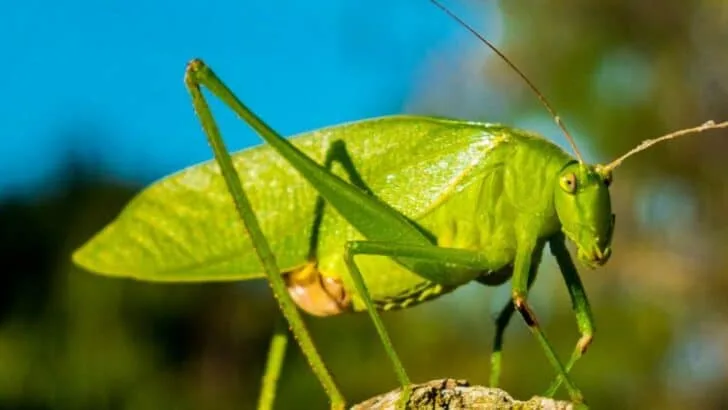
Grasshoppers look innocent when they hop through the lawn, but in September they turn into leafy buzzsaws. One or two are cute, a swarm is plant Armageddon. By this point in the season, they are full grown, hungry, and chewing through flowers, veggies, even woody shrubs if they feel like it.
This guide ranks the defenses against grasshoppers in reverse order, starting with the gimmicks that barely make a dent and ending with the methods that actually work. If you want quick wins, scroll straight to the top scorers. If you want the full picture, take the ride from weakest to strongest.
1. Scare Tactics and Noise Makers — Effectiveness Score: 5/10
Wind chimes, shiny tape, and clattering cans might make your garden sound like a carnival, but grasshoppers are not impressed for long. At first, the sudden flash or rattle can send them hopping in the other direction. Give it a few days, though, and they figure out that nothing dangerous is attached to the noise. Once they learn the trick, your “defenses” become background music to their buffet.
That is why scare tactics sit at the bottom of the list. They sometimes buy you a little breathing room, but they are best used as part of a bigger plan rather than the only line of defense.
🎭 How to Use Scare Tactics
- Hang reflective tape or old CDs where the sun can catch them.
- Use wind-driven spinners or pinwheels to create constant motion.
- String lightweight cans or clattering objects along fences for noise on breezy days.
Bonus Tip: Move your scare devices every few days. A change in location helps delay the moment when grasshoppers realize it is all bluff.
2. Garlic and Hot Pepper Sprays — Effectiveness Score: 6/10
This is the culinary approach to pest control. You make the leaves taste like a dare and hope the grasshoppers decide to eat somewhere else. It can work, especially on light pressure, but the fine print matters. Rain rinses it off. Sun breaks it down. You have to keep reapplying or the buffet is open again by Thursday.

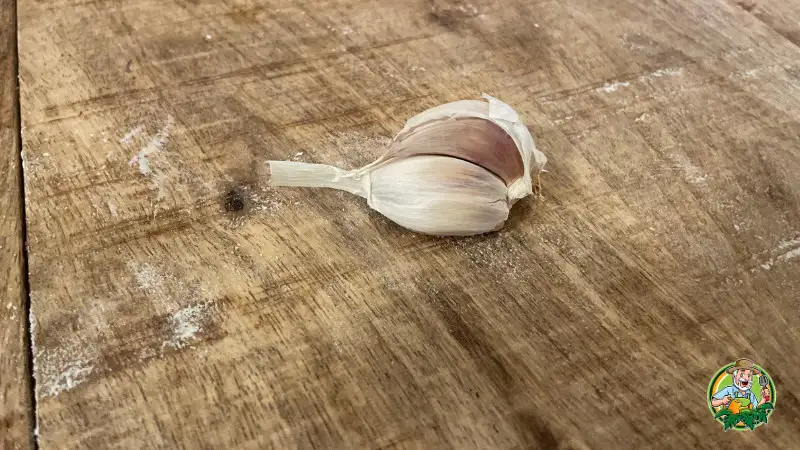
Garlic
Treat this as a speed bump, not a wall. It buys time for seedlings and tender greens while you set up stronger defenses higher on this list.


Hot Pepper
🌶️ Basic DIY Spray
- Garlic mix: Blend 4 cloves garlic with 1 liter water. Steep 12 hours, strain, add 1 tsp mild soap as a sticker.
- Hot pepper mix: 1 tsp cayenne or chili flakes simmered in 1 liter water. Cool, strain, add 1 tsp mild soap.
- Combo mix: Half garlic, half pepper for stubborn nibblers. Test first on a leaf or two.
🕒 When and How to Spray
- Spray in the evening to avoid leaf burn and give it time to set overnight.
- Reapply after rain or heavy dew, and at least twice a week during peak feeding.
- Cover both sides of leaves. Miss the undersides and you miss the diners.
🌿 Plants That Tolerate It
- Usually fine: Brassicas, tomatoes, peppers, beans, ornamentals with sturdy leaves.
- Go gentle: Tender greens like lettuce and spinach. Use a weaker mix and spot test first.
- Avoid blossoms: Skip spraying open flowers to keep pollinators happy.
Bonus Tip: Add a teaspoon of vegetable oil per liter for better sticking power, but shake the sprayer often or it separates.
3. Companion Planting — Effectiveness Score: 6.5/10
Grasshoppers are not picky eaters, but even they have their dislikes. Certain plants smell wrong, taste bitter, or just throw them off the trail. Tuck these into your beds and you create a garden that feels less like an all-you-can-eat buffet. The catch is that this is more of a nudge than a lock. It discourages grazing, but it will not stop a hungry swarm on its own.

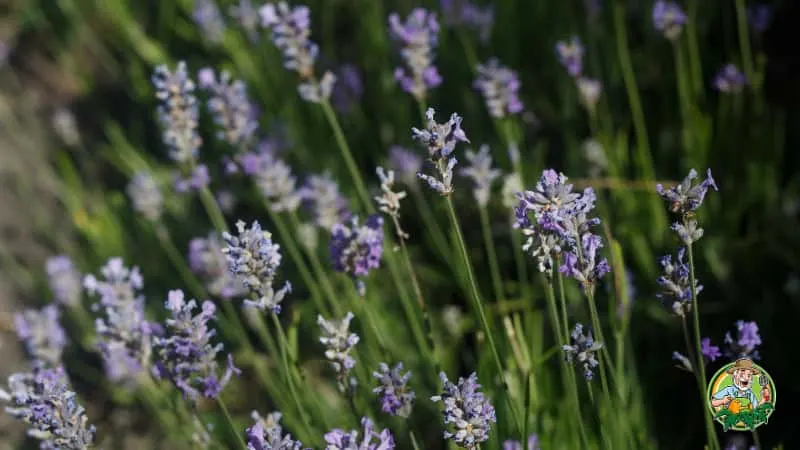
Grashoppers detest the smell of lavender
Think of companion planting as background music. It sets the tone, makes the space less inviting, and works best when layered with other defenses.
🌱 Plants Grasshoppers Avoid
- Cilantro: Strong scent that throws off their appetite.
- Calendula: Bitter taste that makes them hop past.
- Horehound: Aromatic leaves that bugs do not fancy.
- Lavender: Doubles as pollinator bait while discouraging hoppers.
- Sage and rosemary: Woody herbs with powerful oils that repel many insects.
🌼 How to Position Them
- Ring veggie beds with strong-scented herbs for a living border.
- Interplant flowers like calendula between rows of leafy greens.
- Mix deterrent herbs into ornamental beds for double duty.
Bonus Tip: Companion planting works better in variety. Use several deterrent plants together instead of relying on just one.

4. Till the Soil in Fall — Effectiveness Score: 7/10
Grasshoppers may vanish with the first frost, but their eggs stay behind like little time bombs waiting for spring. They tuck them into the soil in pods, often in weedy patches or the edges of garden beds. If you leave the soil untouched, those eggs hatch quietly next year and the cycle starts again. If you turn the soil over in fall, you expose the eggs to cold, predators, and the elements. Most will never make it to hopping stage.
This trick does not solve the current season’s invasion, but it is a smart way to thin out the next one. Think of it as paying into next year’s pest insurance.
🌾 Fall Tilling Tips
- Turn soil in bare beds or weedy margins where grasshoppers are most likely to lay eggs.
- Expose clods to sun and cold so weather can do the rest of the work.
- A second shallow till in early spring adds another layer of disruption.
🐔 Natural Alternatives
- Let chickens scratch freshly tilled ground and snack on exposed egg pods.
- Encourage wild birds by leaving brush piles nearby during tilling season.
Bonus Tip: Do not overdo it in perennial beds. Limit tilling to annual beds or problem spots to protect soil health.
5. Tall Grass Traps — Effectiveness Score: 7.5/10
Grasshoppers love tall grass like kids love candy stores. Leave a strip unmown and they pile in, thinking they found paradise. That patch becomes your bait zone. Once they are concentrated, you can mow it down, treat it, or let birds and chickens handle the cleanup. It is not elegant, but it beats chasing them one by one across the tomatoes.
This method is about redirecting the chaos. You are not making grasshoppers disappear, but you are steering them somewhere you control.
🌿 How to Set Grasshopper Traps
- Choose a strip of grass away from the main garden and let it grow tall.
- Check it daily. When numbers peak, mow the patch down quickly.
- Scatter bran bait in the trap zone for extra pulling power if infestations are heavy.
⚠️ Safety Notes
- If using insecticide baits, keep pets and wildlife in mind. Use sparingly and follow directions.
- Prefer natural cleanup? Encourage birds by placing perches nearby or rotate in chickens.
Bonus Tip: Move the trap zone each year to keep grasshoppers from laying eggs in the same patch of soil.
6. Nosema locustae Bait — Effectiveness Score: 8/10
This one sounds like science fiction but it is real. Nosema locustae is a microscopic parasite that infects grasshoppers when they eat bran bait laced with it. Once inside, it weakens them and spreads through the population as sick hoppers get eaten by others. The catch is patience. You will not see instant results. It works over weeks and seasons, slowly shrinking the numbers year after year.
Think of it as the long game. While sprays knock back what you see today, Nosema works behind the scenes to thin the crowds of tomorrow.
🧪 How to Use Nosema locustae
- Buy pre-mixed bran bait from garden suppliers or co-ops.
- Apply in early summer when young grasshoppers are just starting to feed.
- Scatter bait in sunny grassy areas where hoppers gather, not directly in veggie beds.
📅 Best Timing
- Works best on nymphs before they develop wings.
- Repeat applications for a few seasons to see major population drops.
Bonus Tip: Store bait cool and dry. Heat or moisture can kill the spores before they ever reach your grasshoppers.
7. Chickens and Ducks — Effectiveness Score: 8.5/10
Few things delight poultry more than a yard full of grasshoppers. To them it is a moving buffet, crunchy and protein-packed. Chickens will dart after them like kids chasing candy, while ducks vacuum them up with machine-like efficiency. Give them access and they will do the dirty work for you, turning pests into eggs and manure.
Of course, this only works if you can handle the feathered crew. They will happily snack on tender greens too, so supervision or fencing is part of the deal.
🐔 How to Put Poultry to Work
- Rotate chickens or ducks into problem areas for short bursts so they do not over-scratch beds.
- Use mobile coops or chicken tractors to control where they forage.
- Ducks are gentler on plants than chickens and can patrol veggie rows more safely.
🥚 Bonus Benefits
- Eggs full of protein thanks to all that insect hunting.
- Natural fertilizer added directly where they roam.
- Free entertainment. Few things are funnier than chickens in full hopper-chasing mode.
Bonus Tip: Let poultry loose in the evening when grasshoppers settle low and are easier targets.
8. Neem Oil and Insecticidal Sprays — Effectiveness Score: 9/10
When grasshoppers are everywhere and the chewing is out of control, sprays are the fast fix. Neem oil and insecticidal soaps work by making leaves less tasty and disrupting the hoppers’ systems. Hit them early when they are still young and wingless for the best effect. Adults are tougher, but even they think twice after a dose.
The catch is coverage. You have to actually hit the insects or coat the leaves they are eating. Miss a few and they will keep chewing like nothing happened. Done right, though, sprays give you the kind of immediate relief that garlic water never could.
🧴 Spray Smart Tips
- Apply in the evening to protect pollinators and avoid leaf burn in midday sun.
- Target the undersides of leaves where hoppers often rest and feed.
- Repeat applications every 7–10 days or after heavy rain for lasting control.
🌱 Safe Use Notes
- Neem oil is organic-friendly but still strong. Spot test on delicate plants first.
- Insecticidal soaps work best on soft-bodied nymphs, less so on hard-shelled adults.
- Avoid spraying open blossoms to keep pollinators safe.
Bonus Tip: Rotate between neem and soap sprays so grasshoppers do not get too comfortable with one tactic.
9. Row Covers and Netting — Effectiveness Score: 10/10
If you want the sure thing, this is it. Grasshoppers cannot chew what they cannot reach. A simple barrier of netting or fabric turns your garden into a fortress, keeping the leaves safe while the hoppers bounce around outside looking frustrated. Unlike sprays or tricks, row covers do not wear off, wash away, or lose their effect over time. Put them on and the problem is solved.
The tradeoff is effort. Covers take setup and you have to lift them for weeding, watering, or harvesting. Still, for high-value beds or tender seedlings, nothing else comes close to the peace of mind they deliver.
🛡️ Row Cover Setup Tips
- Use lightweight floating row covers or fine insect netting that still lets in light and rain.
- Anchor edges securely with soil, rocks, or landscape pins so grasshoppers cannot crawl underneath.
- Support with hoops to prevent fabric from resting directly on foliage.
🌱 Where They Work Best
- Protecting seedlings and young transplants that grasshoppers target first.
- Covering small, high-value beds like lettuce, spinach, or herbs.
- Shielding late plantings in September when hopper pressure peaks.
Bonus Tip: For crops that need pollination, uncover plants in the morning when bees are active, then secure covers again by evening.
Grasshoppers Do Not Get the Last Bite
By September, grasshoppers act like they own the place, hopping through beds as if you planted everything just for them. The truth is they are stubborn, but not unstoppable. Shiny tape might stall them, garlic water might annoy them, but real control comes when you throw up a barrier or let a hungry chicken loose.
The good news is you do not have to wage war on every hopper in the county. You just have to make your own patch of green the least appealing buffet on the block. With row covers, sprays, or a few poultry patrols, you can eat your lettuce in peace while the grasshoppers go grumble somewhere else.
In the end, the grasshoppers will still be out there chewing, but at least it will not be your garden on the menu.
🌿 Key Takeaways
- 🔊 Scare tactics like noise and shiny tape only work briefly before grasshoppers catch on.
- 🌶️ Garlic and pepper sprays can slow them down but need constant reapplication.
- 🌱 Companion planting with herbs and flowers helps deter hoppers but is not a standalone fix.
- 🌾 Fall tilling exposes egg pods and cuts down next year’s population.
- 🌿 Tall grass traps gather grasshoppers in one spot so you can manage them.
- 🧪 Nosema locustae bait weakens populations over time as a biological control.
- 🐔 Chickens and ducks happily turn hoppers into eggs and fertilizer.
- 🧴 Neem oil and sprays give fast results, especially on young nymphs.
- 🛡️ Row covers and netting are the ultimate defense, blocking grasshoppers completely.
Frequently Asked Questions About Grasshoppers
1. Why are grasshoppers worse in September?
By late summer they are fully grown, hungrier, and often more numerous. Populations peak when your plants are already stressed from heat, making the damage more obvious.
2. Do scare tactics really work?
Only for a short time. Grasshoppers may spook at shiny tape or noise at first, but they quickly learn it is harmless and go right back to chewing.
3. Are homemade sprays safe for vegetables?
Yes, garlic and hot pepper sprays are generally safe. Just rinse produce well before eating and avoid spraying blossoms to protect pollinators.
4. Can grasshopper eggs survive the winter?
Yes. Eggs overwinter in soil and hatch in spring. That is why fall tilling or letting chickens scratch bare beds is so effective for long-term control.
5. Will companion plants alone stop grasshoppers?
No. They help make your garden less appealing but should be combined with barriers, sprays, or traps for real protection.
6. How does Nosema locustae work?
It is a biological control that infects grasshoppers through bait. The infection weakens them and spreads within the population, reducing numbers over time.
7. Can chickens and ducks clear an infestation?
They can make a big dent, especially ducks, which are relentless hunters. Just supervise them around tender plants or use mobile coops.
8. What is the fastest way to stop grasshoppers right now?
Neem oil or insecticidal sprays provide the quickest knockback, especially if you coat leaves thoroughly and repeat applications regularly.
9. What is the most reliable long-term solution?
Row covers and fine netting. They physically block grasshoppers, making them the closest thing to a guaranteed fix.


Daniel has been a plant enthusiast for over 20 years. He owns hundreds of houseplants and prepares for the chili growing seasons yearly with great anticipation. His favorite plants are plant species in the Araceae family, such as Monstera, Philodendron, and Anthurium. He also loves gardening and is growing hot peppers, tomatoes, and many more vegetables.