

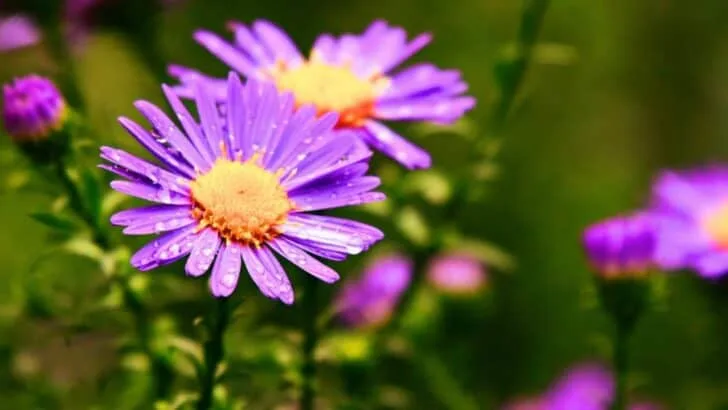
Yesterday we talked about mums and yes, they have their charm. They bring instant fall color and make porches look festive. But here is the twist many gardeners will quietly admit: asters often steal the show. They bloom longer, attract more pollinators, and come back year after year without fuss. If mums are the quick fall fling, asters are the long-term partner that keeps your garden lively right through the last frost.
1. The True Season Extenders

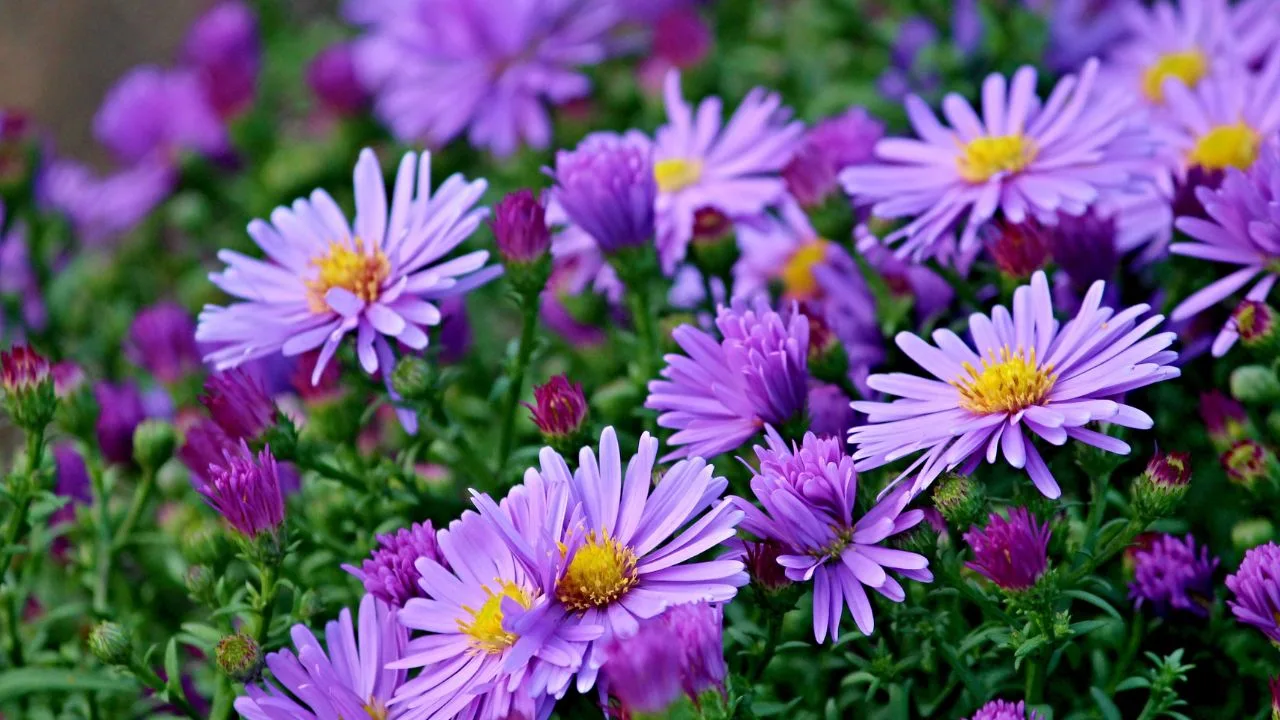
Just when the garden starts looking like it wants to crawl under a blanket and call it a year, asters show up with fresh energy. They are not a quick burst like mums. Instead, they stretch the season, throwing out color well into the chilly weeks when most plants have already checked out. If mums are the fireworks of early fall, asters are the lanterns that keep glowing long after the crowd has gone home.
🍂 Why Asters Keep the Show Going
- Bloom window: From September right up until frost.
- Season bridge: They pick up where mums fade and carry the color into late fall.
- Cold tolerance: Light frosts barely bother them, making them one of the last flowers standing.
Bonus Tip: Plant a mix of early and late-blooming varieties to stretch the display even further.
2. A Feast for Pollinators

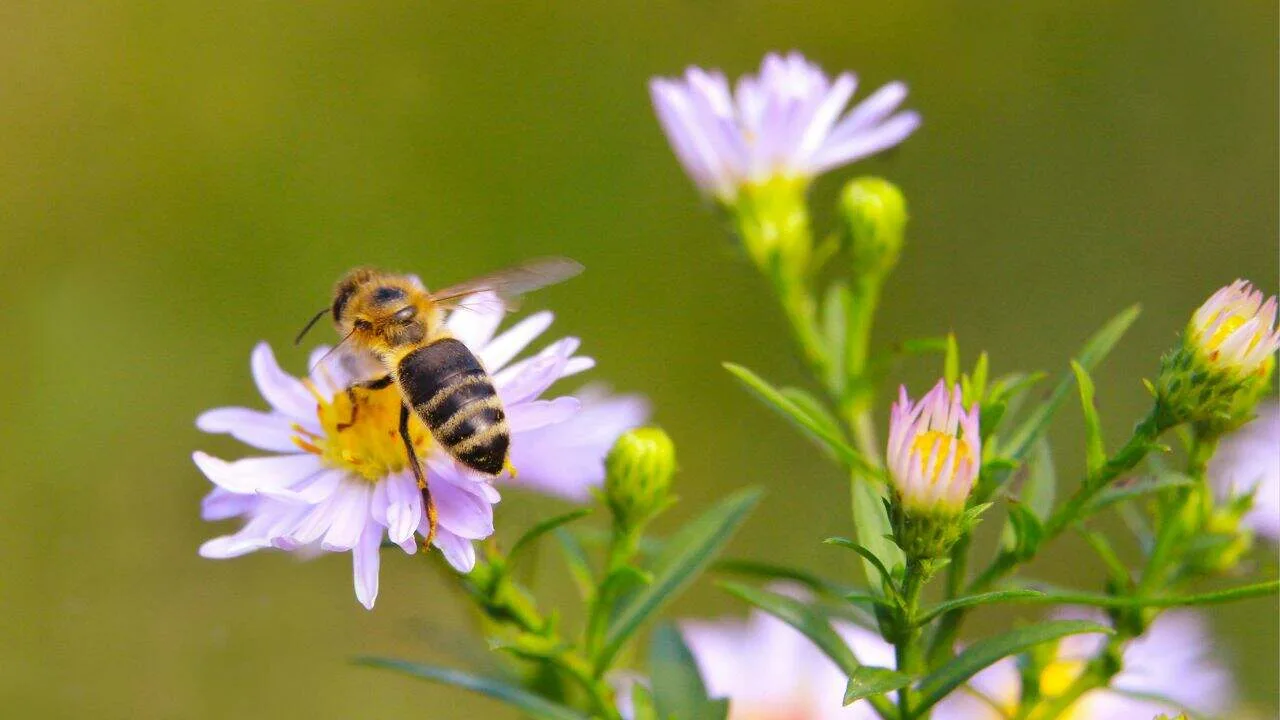
When most of the buffet is closed for the season, asters keep the kitchen open. Bees wobble in like tired regulars, butterflies tank up for the road, and migrating monarchs treat the flowers like pit stops on a long highway. If you want movement in the garden when everything else goes quiet, asters bring the rush hour.
🐝 Pollinator perks
- Late nectar source: One of the last reliable meals before winter hits.
- Bee magnet: Supports native bees when few flowers remain.
- Butterfly fuel: Helps monarchs and other migrants stock up for the journey.
- Seed for birds: Leave some heads on the plant and finches will thank you.
Bonus Tip: Pair asters with goldenrod to create a high-octane nectar corner that hums from afternoon sun to first frost.
3. A Riot of Color Beyond the Expected

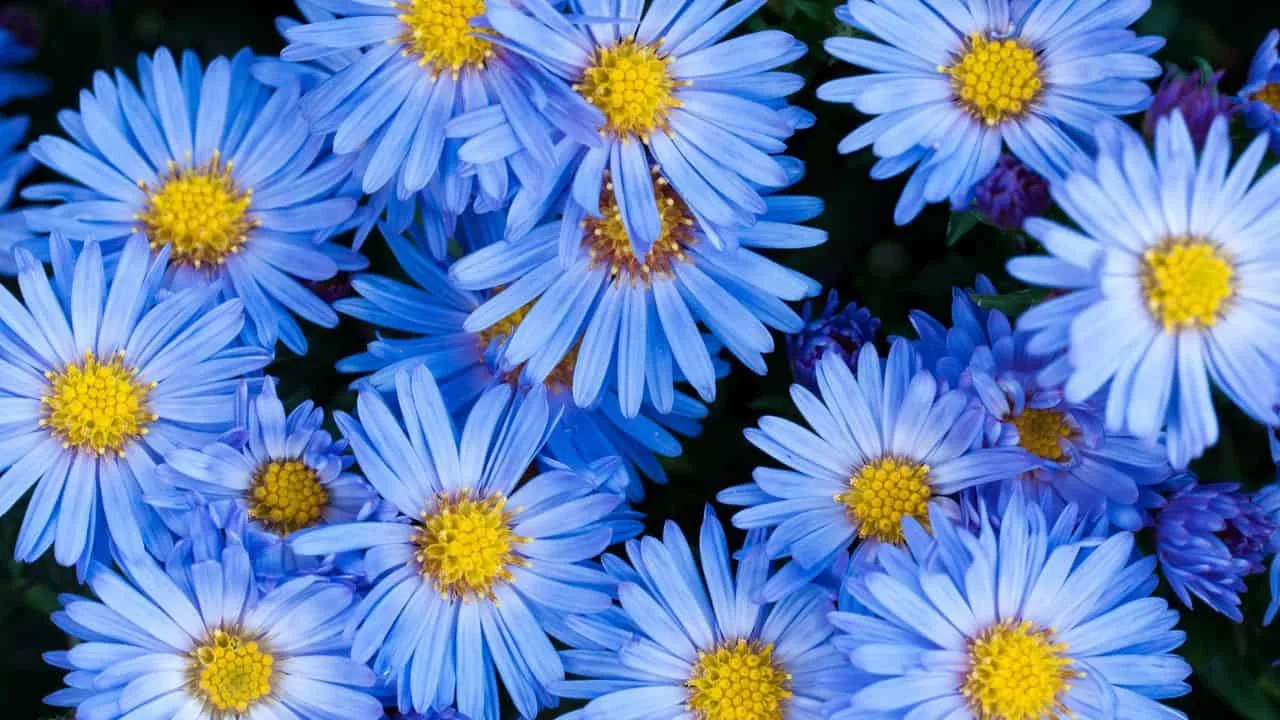
Autumn is not only orange. Asters throw purples, pinks, blues, and clean whites across the garden like confetti. They stand up against copper grasses and flaming maples without getting lost. Plant a few clumps and the whole border suddenly looks planned, even if it was chaos yesterday.
🎨 Color play that works
- Palette: Violet, lavender, magenta, sky blue, and bright white for crisp contrast.
- Best pairings: Ornamental grasses, goldenrod, sedum, and smokey seed heads.
- Design trick: Use white asters as a buffer between loud fall colors to calm the mix.
- Depth move: Put dark purple asters in the back to make borders look deeper.
- Cutting bench tip: Mix blue asters with bronze foliage for simple centerpieces.
Bonus Tip: Repeat the same aster color in three spots to pull the whole bed together without a full redesign.
4. Perennial Power

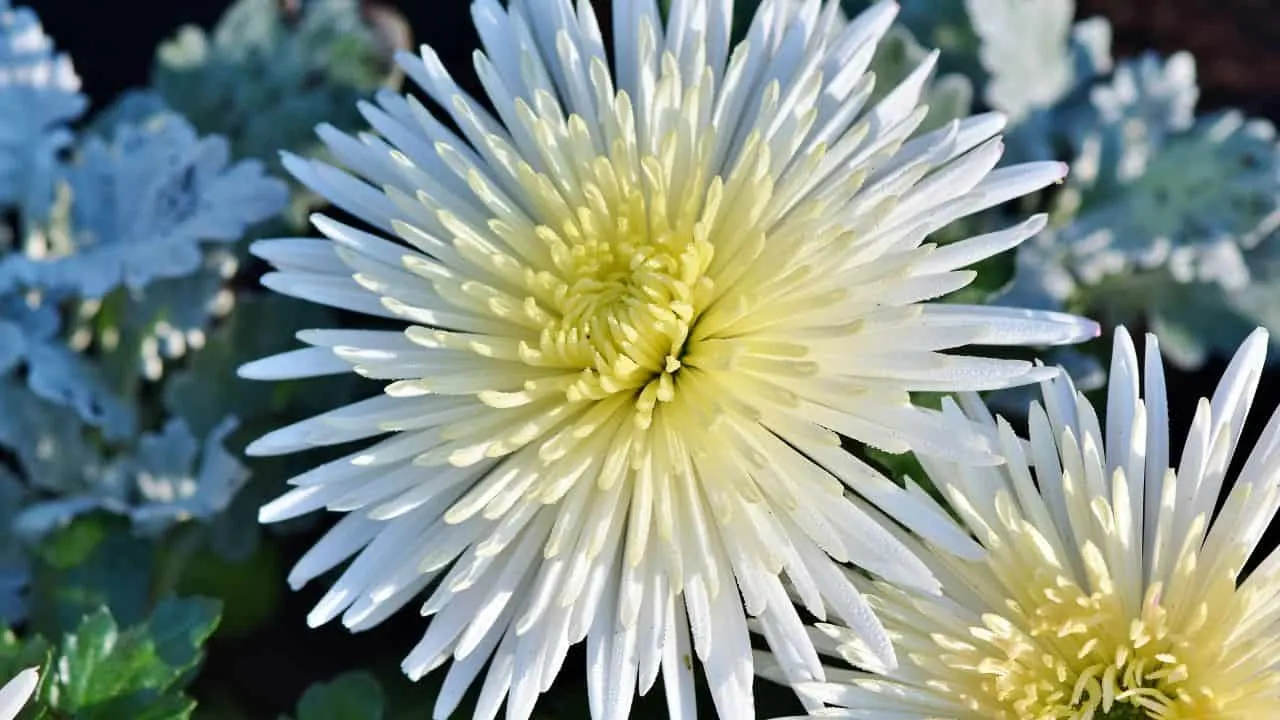
Buy them once and they keep showing up like good neighbors. Asters settle in, bulk up, and return stronger each year. They handle typical fall drama without fuss and they do not ask for constant care. Give them a decent spot and they pay rent in flowers for a long time.
🌱 Why asters stick around
- True perennials: Come back each season with more stems and more buds.
- Clump builders: Slowly expand to fill gaps without taking over the whole bed.
- Winter hardy: Many species shrug off cold once established.
- Budget friendly: Divide mature clumps to get free plants for other spots.
- Soil helpers: Deepening roots improve structure and water flow over time.
Bonus Tip: Mark the clump edges in late fall. In spring, slice outer wedges with a spade, replant the best pieces, and share extras with friends.
5. Low Maintenance Champions

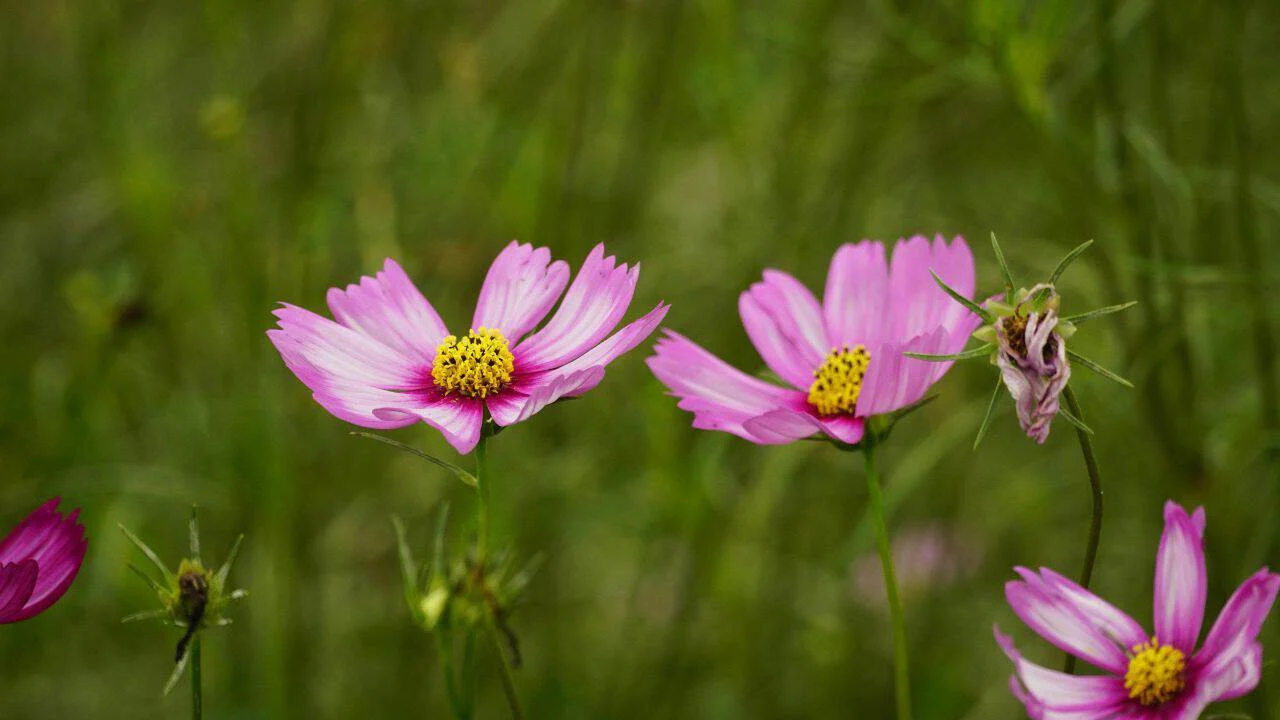
Some flowers demand spa treatment to look good. Asters are more like the friend who throws on a sweater and still looks great. Once they are settled, they do not need constant watering or elaborate feeding schedules. They shrug at deer, laugh at dry spells, and keep blooming without a gardener hovering nearby.
💪 Why asters are easy keepers
- Drought tolerant: Roots dig deep and cope with dry spells after the first year.
- Deer resistant: Fuzzy leaves and bitter taste keep most grazers away.
- No heavy feeding: Average soil and a spring compost top-up is enough.
- Pest hardy: Less prone to insect trouble compared to many fall bloomers.
- Set and forget: Cut them back in late winter and they return without fuss.
Bonus Tip: Skip rich fertilizers. Too much nitrogen makes them leggy and delays blooming.
6. Garden Versatility

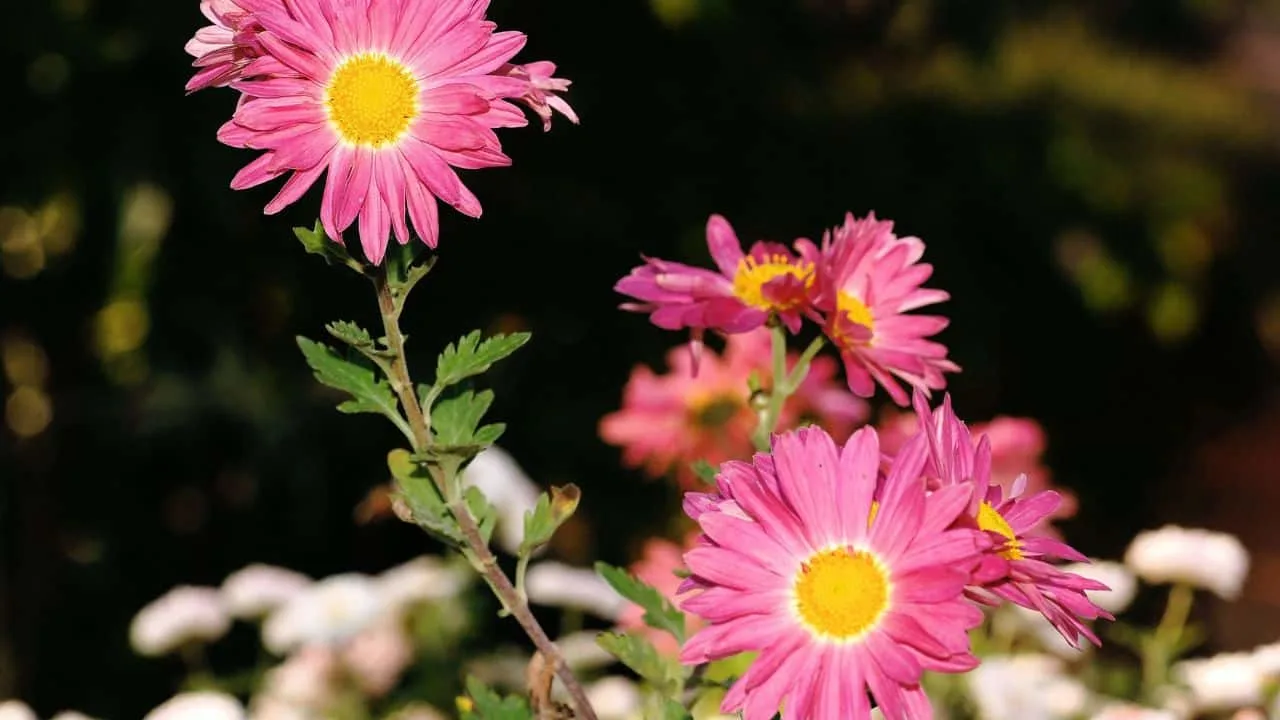
Asters are the kind of guests who fit in everywhere. Tuck them into a border and they look polished. Drop them in a wild patch and they blend right in. They cozy up to grasses, soften the edges of shrubs, and even work in containers if you are short on space. Wherever you put them, they somehow make the rest of the garden look better.
🌸 Where asters shine
- Borders: Add height and late color to tired edges.
- Wildflower meadows: Natural partners with goldenrod and coneflowers.
- Cottage gardens: Their loose habit suits informal designs.
- Containers: Smaller varieties thrive in pots for patios and balconies.
- Mixed beds: Play well with sedum, ornamental grasses, and black-eyed Susans.
Bonus Tip: Plant asters near tall grasses. The grasses give support, and together they create a showy autumn pairing that moves in the breeze.
7. A Cut-Flower Secret

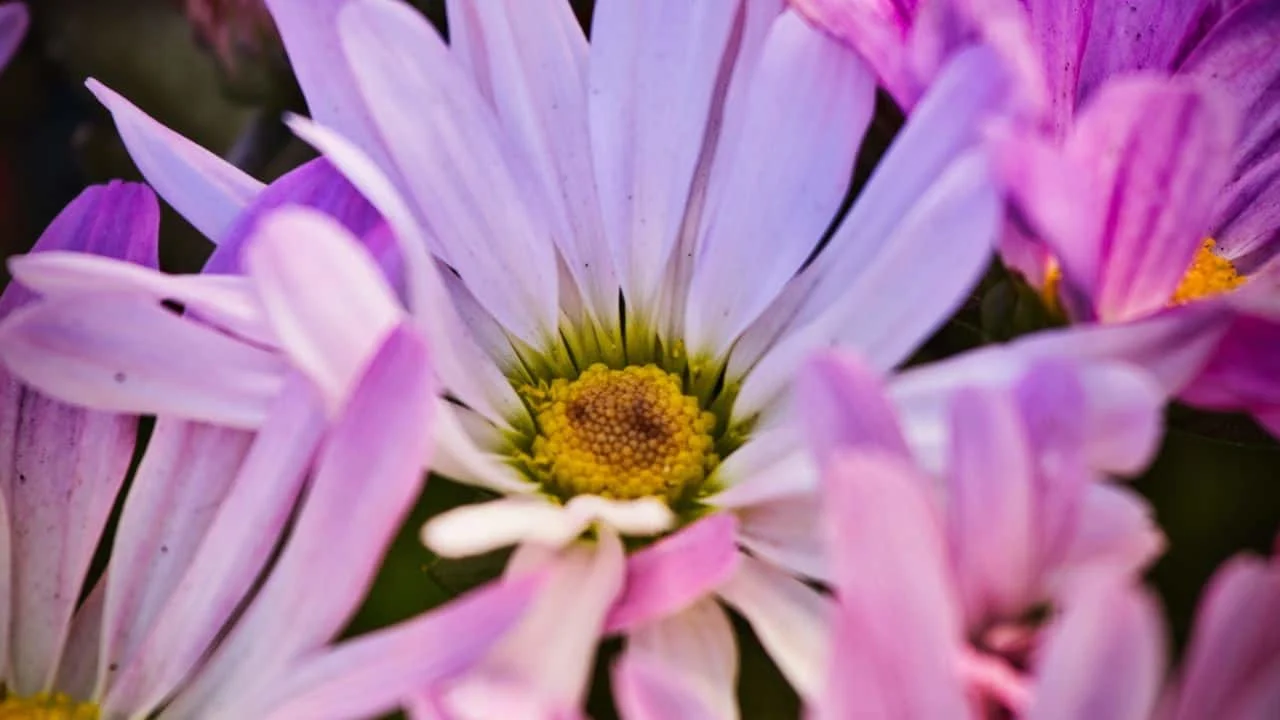
By the time most cutting gardens have called it quits, asters are still filling vases. They are sturdy, cheerful, and last longer indoors than you would expect from a late-season flower. Mix them with seed heads, grasses, or a few sprigs of herbs and you have an arrangement that looks effortless but feels like the season bottled up.
🌻 Aster perks for arrangements
- Vase life: Holds shape and color for a week or more.
- Stem strength: Sturdy enough to stand tall without drooping.
- Color filler: Purples and blues balance the warm tones of autumn foliage.
- Budget saver: Cuts keep coming, so you do not strip the whole plant at once.
- Easy mix: Pair with sunflowers, ornamental grasses, or seed pods for texture.
Bonus Tip: Cut asters early
8. How to Grow Them Right

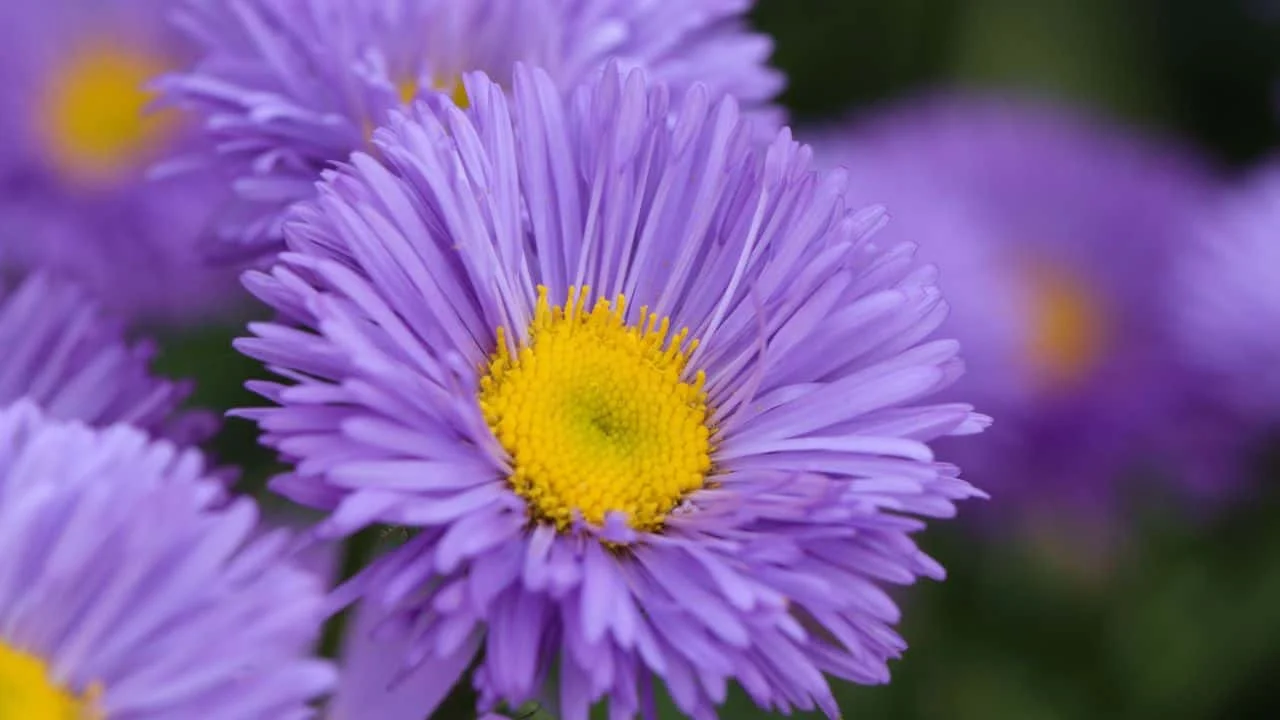
Asters are easy, but a little attention early on pays off in bigger, bushier plants. They like sun, decent soil, and just enough elbow room to breathe. Ignore them and they still bloom, but give them a nudge with the basics and you will wonder why you ever fussed with fussier flowers.
🌿 Aster growing guide
- Sun lover: Full sun keeps stems upright and flowers plentiful.
- Soil: Well-drained and average fertility is all they need.
- Pinching trick: Pinch back shoots in early summer to encourage more blooms.
- Division: Split clumps every 2–3 years to refresh growth and prevent crowding.
- Watering: Regular drinks in the first year, then only during dry spells.
- Cleanup: Cut down dead stems in late winter or leave them for birds and winter texture.
Bonus Tip: Mulch lightly around the base to keep weeds down, but do not pile it high or the crowns may rot.
9. The Missing Piece of Fall

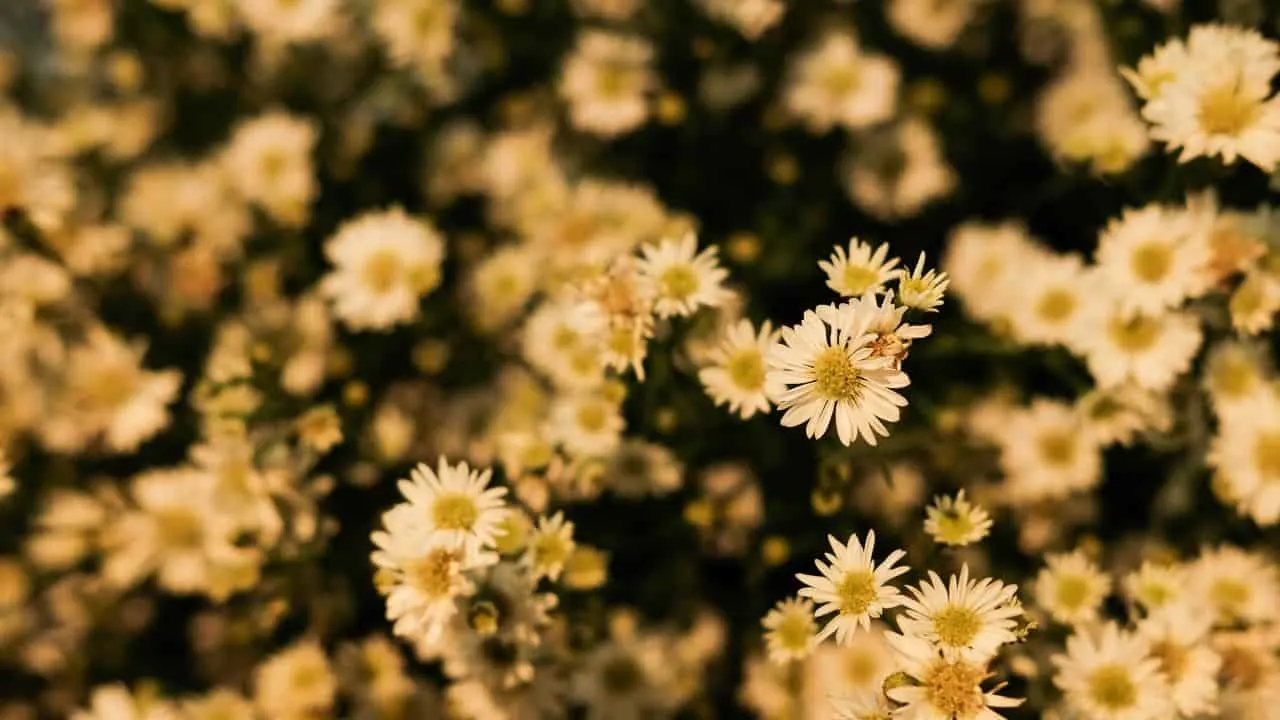
Without asters, autumn gardens feel like they are missing their finale. The trees do their flashy leaf show, the mums make a brief appearance, and then silence. Asters keep the curtain open a little longer, adding color, movement, and life when everything else is packing up. They are not just another flower. They are the encore that sends the season out on a high note.
🍁 Why asters complete the season
- Season closer: Bloom right up until frost, filling the late gap.
- Pollinator bridge: Keep bees and butterflies fed when little else is left.
- Visual spark: Add bold color against fading foliage.
- Low effort, high reward: Once planted, they perform with little care.
- Emotional lift: Gardens look alive longer, which feels good as days shorten.
Bonus Tip: Place asters near windows or paths so you catch their late-season bloom every time you look out or walk by. It is the last garden smile before winter sets in.
Asters Are the Garden’s Grand Finale

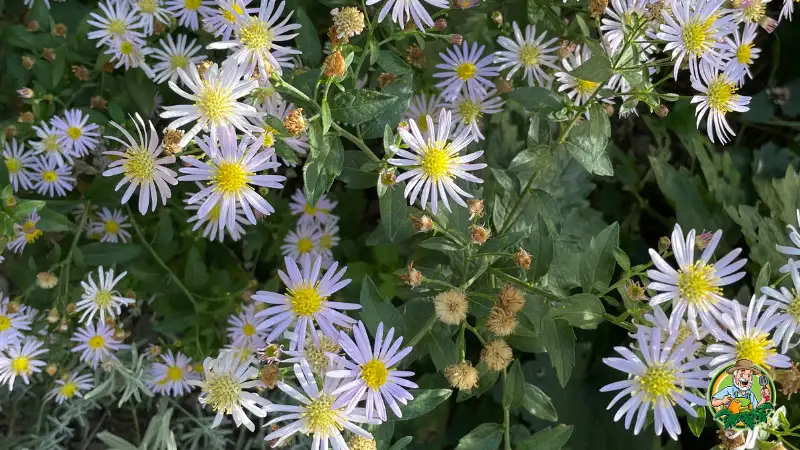
Aster flowers growing in my backyard
Fall without asters is like a concert without an encore. Sure, the headliners were good, but you leave wishing for one more song. Asters give you that. They stretch the color, keep the pollinators happy, and make your garden feel alive right up to the edge of winter. The best part is they do it without asking for much in return. Plant them once, and they reward you year after year with a show that mums alone cannot deliver.

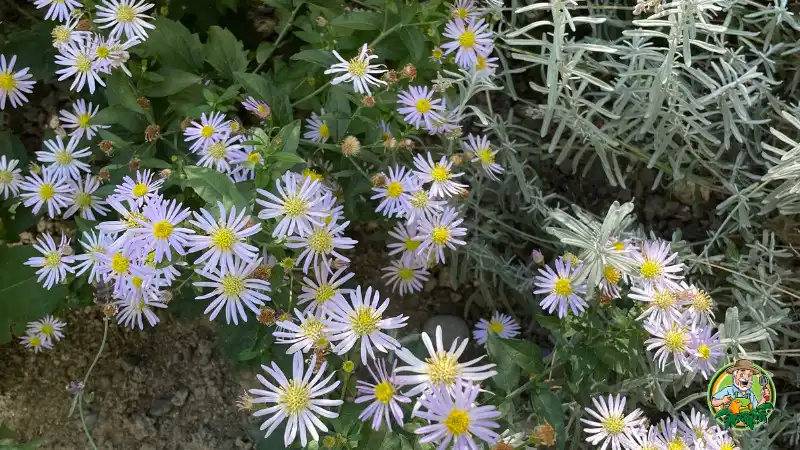
Planted Asters in my garden
If you want a fall garden that does not fade quietly into the background, give asters a spot. They are the bloom that ties the whole season together, and once you have them, you will wonder how you ever ended autumn without them.
🌿 Key Takeaways
- 🍂 Asters extend the season by blooming from September until frost when most flowers are gone.
- 🐝 Pollinator magnets that feed bees, butterflies, and even migrating monarchs late in the year.
- 🎨 Colors beyond mums with purples, blues, pinks, and whites that light up fall borders.
- 🌱 True perennials that return stronger each year and multiply without fuss.
- 💪 Low maintenance heroes that thrive with little water or pampering once established.
- 🌸 Versatile in design fitting borders, wild patches, containers, and cut-flower gardens alike.
- 🪴 Easy to grow in full sun with well-drained soil, a pinch in summer, and division every few years.
- 🍁 The missing piece of fall that keeps gardens colorful, lively, and complete until winter.
Frequently Asked Questions About Asters
1. Do asters really bloom longer than mums?
Yes. While mums often fade within a few weeks, asters keep blooming from September right up until frost, stretching the season much further.
2. Are asters good for pollinators?
Absolutely. They are one of the last reliable nectar sources of the year. Bees, butterflies, and migrating monarchs rely on them when most flowers are gone.
3. Do asters come back every year?
Yes. Asters are hardy perennials that return stronger each season. They can even be divided every few years to create more plants.
4. How much care do asters need?
Not much. Once established, they tolerate drought, resist deer, and thrive in average soil. A little cutting back and occasional division is all they ask.
5. Can asters grow in shade?
They really prefer full sun. In partial shade they may still bloom, but expect fewer flowers and taller, leggier growth.
6. Do asters work in containers?
Yes. Compact varieties are great for pots and patios. Just give them good drainage and regular water in dry spells.
7. How do I keep asters from getting floppy?
Pinch back the stems in early summer. This encourages bushier growth and prevents them from leaning over when they bloom heavily.
8. What colors do asters come in?
A wide palette: purples, lavenders, blues, pinks, and bright whites. They create strong contrast with fall foliage and ornamental grasses.
9. Should I cut asters down in winter?
You can. Many gardeners leave the stems standing for winter interest and bird seed, then cut them back in late winter or early spring.


Daniel has been a plant enthusiast for over 20 years. He owns hundreds of houseplants and prepares for the chili growing seasons yearly with great anticipation. His favorite plants are plant species in the Araceae family, such as Monstera, Philodendron, and Anthurium. He also loves gardening and is growing hot peppers, tomatoes, and many more vegetables.