

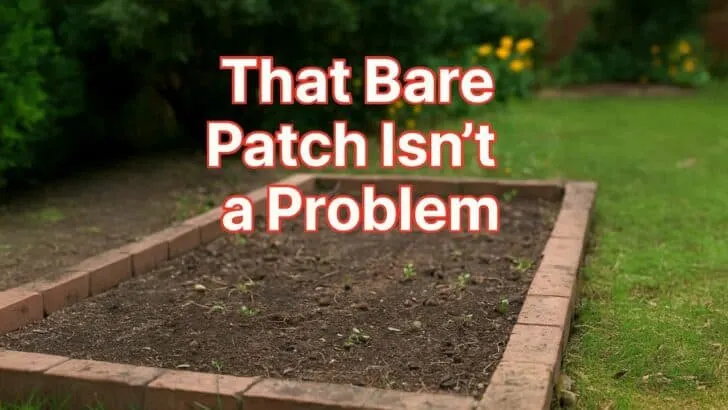
Your garden has a bald spot. A once-thriving patch of beans or lettuce now looks like a crime scene. Dirt, a few stems, maybe one confused weed trying to move in. And it’s still July, which makes it feel like you’ve failed. But guess what? You haven’t. You’re actually ahead of the curve.
August is one of the most overlooked planting months, and that bare patch is prime real estate. But if you rush in without prep, you’re just repeating the cycle. This isn’t about sticking something random in the ground and hoping it lives. This is about making that space work again, smarter and faster than last time.
This guide will walk you through exactly what to do with that patch of garden. Whether you want fall greens, flowers, or just better soil next year, it all starts with doing this part right.
🌿 Key Takeaways
- 🧤 Don’t ignore a bare patch. It’s an opportunity, not a loss.
- 🧹 Clear the area completely before doing anything else.
- 🌱 Rebuild the soil with compost or worm castings before replanting.
- 💧 Pre-water the spot if the soil is dry. This helps seeds and transplants settle in.
- 🌾 Use mulch wisely to keep moisture in and weeds out.
- 🛑 If not replanting, protect the spot with sheet mulch or a cover crop to keep it healthy.
1. Don’t Ignore the Patch
A bare patch feels like defeat. Like something went wrong and now it’s just… there. Sitting. Mocking you. But that empty spot isn’t a problem. It’s potential. It’s one of the few moments in gardening where you get a total do-over, and the clock hasn’t run out yet.
Mid-summer is weird like that. Plants are fading, the heat’s relentless, and the energy is shifting. But your garden isn’t finished unless you decide it is. That open space can still turn into your next salad, your fall bloom show, or just a better start for next year.
💡 Quick Tip
If it’s too hot to work during the day, prep the patch in the evening. The soil’s still warm, but the sun won’t melt your face off.
2. Clean-Up Comes First
Before you even think about planting again, it’s time for a reset. That patch has seen things. Weeds that refused to quit. Roots that overstayed their welcome. Maybe even a vine or two that tried to strangle the hose.
Grab your gloves, a fork, and a compost bucket. Pull everything out. Old mulch? Toss it if it’s clumpy or hiding pests. Diseased plants? Out with them. Don’t compost the sketchy stuff. This is the gardening equivalent of a deep breath and a clean slate.
🧼 Clean Means Safe
If you had any sign of powdery mildew or blight in that bed, wash your tools after cleanup. Reusing dirty pruners can undo all your good work in seconds.
3. Revive the Soil
The patch is clean. Now comes the comeback. If that soil’s been sitting bare, chances are it’s tired, compacted, or just plain grumpy. Your job? Wake it up.
- Use a garden fork or trowel to gently loosen the top layer. Don’t go full tiller — just enough to breathe some life back in.
- Mix in some compost, worm castings, or a mild organic fertilizer. Think of it as breakfast in bed for your soil.
- Check for trouble zones. If it’s puddling after rain or cracking like a dry lakebed, you’ve got drainage problems. Fix that first.
🪱 Bonus Boost
No compost? Try aged leaf mold or a handful of high-quality potting mix just to get something living back into the soil. Even a sprinkle helps.
4. Pre-Water Before Planting
August soil isn’t just dry. It’s crusty, sunbaked, and borderline hydrophobic. If you drop seeds or transplants in now without prepping, you’re setting them up for a bad time.
Give the patch a good soaking. Not a sprinkle. Not a mist. A full deep drink. Then let it sit for a few hours or overnight. This resets the moisture level and makes it easier for seeds to sprout and roots to settle.
💧 Quick Check
Grab a trowel and dig down a few inches. The soil should be cool and moist like a wrung-out sponge. If it’s still bone dry, go again.
5. Think Short-Term or Strategic
Before you toss in random seeds just to fill the space, pause. This bare patch is real estate, and you get to decide what kind of return you want.
Do you want quick results? Go for fast growers like radishes, baby greens, or bush beans. Want fall color? Add calendula or pansies. Want to feed the soil instead of yourself? Sow a cover crop like crimson clover or buckwheat.
Whatever you choose, make it intentional. That way, this patch won’t just be filled — it’ll be working for you.
👉 For crop and flower ideas that still work in August, check out our full guide here.
🌱 Strategic Choices
- Quick harvest: Radishes, arugula, lettuce
- Fall flair: Nasturtiums, violas, calendula
- Soil builders: Clover, rye, vetch
6. Mulch with Purpose
Once your patch is planted, don’t leave the soil exposed. A light layer of mulch keeps moisture in, blocks weeds, and helps regulate temperature during the August heat.
Use what you have. Straw, shredded leaves, grass clippings, or even partially broken-down compost will do the trick. Just don’t pile it too high. One or two inches is enough. And always keep it a few inches away from stems to prevent rot.
🍂 Smart Mulching Tips
- Too much mulch? It can trap moisture and cause fungus.
- Grass clippings: Only use untreated, dry ones.
- No mulch at all? Expect weeds and fast drying soil.
7. Not Planting? Do This Instead
If you’re not planning to replant that spot this season, you can still make use of it. Letting it sit empty is a missed opportunity. Even a small patch can work for you behind the scenes.
Try sheet mulching. Lay down cardboard or newspaper, soak it well, and top with compost or mulch. It will suppress weeds and prep the soil for spring. You could also sow a green manure crop like crimson clover or buckwheat to improve soil health while adding biomass.
Or, if you’re dealing with pests or diseases, consider solarizing the soil. Cover the area with clear plastic for a few weeks during peak heat. The sun will do the rest, wiping out weed seeds and pathogens naturally.
🧪 Bonus: Turn Downtime Into Soil Gold
- Solarizing works best in full sun areas with 4–6 weeks of heat.
- Green manure crops should be cut back before flowering.
- Sheet mulching also invites worms, which loosen the soil and improve structure.
Give That Patch a Second Life
Bare spots can feel like a defeat. A tomato that never made it. A lettuce that bolted too soon. A cucumber that just gave up. But here’s the good news: August isn’t the end. It’s the reset button. A second chance in the middle of the season.
Whether you replant it with speed-harvest greens, toss on a cover crop, or just let it rest under a mulch blanket, that patch is still pulling its weight. Don’t let it go to waste. A little effort now means less work later — and more to harvest, smell, or smile at come fall.


Daniel has been a plant enthusiast for over 20 years. He owns hundreds of houseplants and prepares for the chili growing seasons yearly with great anticipation. His favorite plants are plant species in the Araceae family, such as Monstera, Philodendron, and Anthurium. He also loves gardening and is growing hot peppers, tomatoes, and many more vegetables.