

August smells like basil. Like thyme that’s gotten a little woody. Like dill that’s started thinking about seeds instead of salads.
It’s also the perfect time to get ahead of winter. The cold months are coming, and with them go all the flavors your garden worked hard to grow. But if you harvest right and store smart, your herbs don’t have to vanish when the frost shows up. They can follow you into fall soups, winter stews, and those sleepy January teas.
This guide is your shortcut. When to cut. How to dry. What to freeze. And how not to end up with a sad jar of what-might-be-oregano that tastes like dust.
🌿 Key Takeaways
- 🌱 Start with annual herbs like basil and cilantro. They won’t survive the frost.
- ✂️ Harvest in the morning after dew dries but before the sun gets strong.
- 🧼 Use clean, sharp scissors and cut just above a node for regrowth.
- ❄️ Preserve by drying, freezing, or infusing into oil, butter, or vinegar.
- 🖊️ Label every jar or bag. November you won’t remember what August you did.
- 🌿 Store dried herbs in dark, cool places and use frozen ones within 6 months.
- 🐛 Always check for bugs before drying herbs outdoors. Trust us on this one.
1. Know Which Herbs to Prioritize

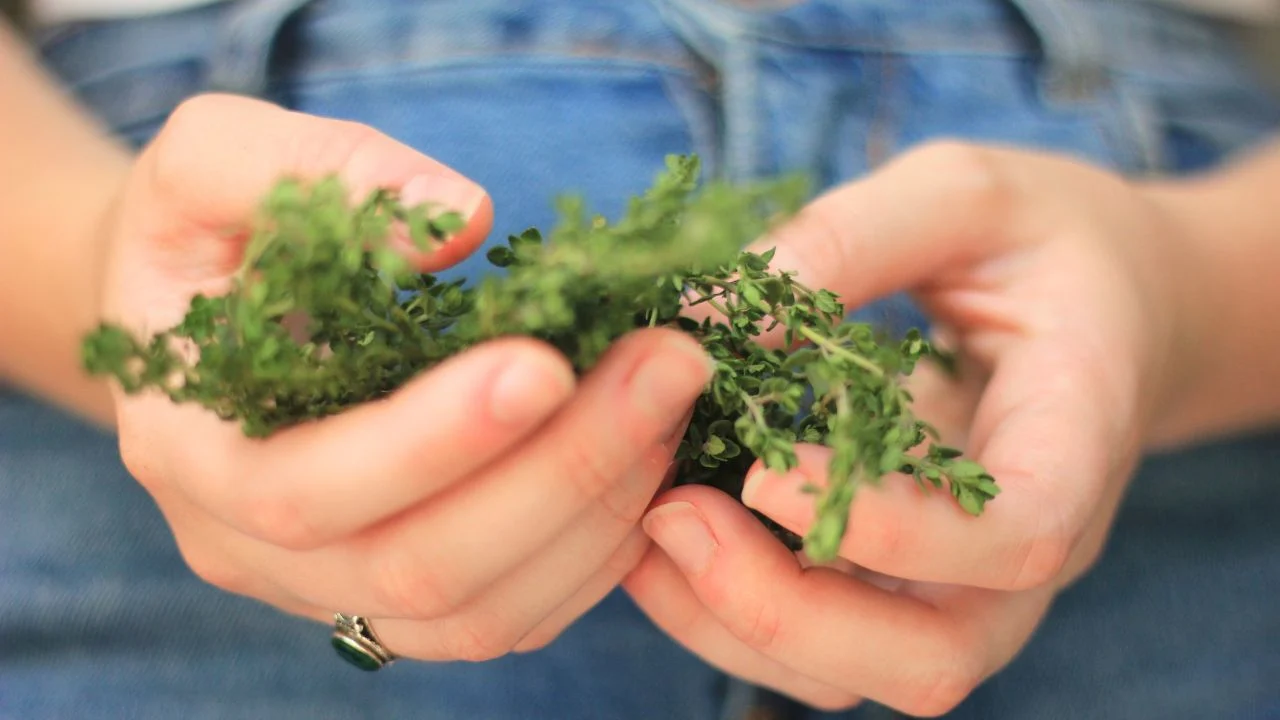
Not every herb is in the same kind of rush. Some are annuals, some are perennials, and some are just plain dramatic about temperature drops. Your job? Know who needs your attention first.
- 🌿 Basil, dill, and cilantro are drama queens. The first frost hits and they’re done. Start with these. On a side note, though: If you let your cilantro bolt, that’s fine too — the seeds become coriander, which is a win in its own right.
- 🌿 Thyme, oregano, rosemary, and sage are tougher. You can harvest them now, just don’t go wild. Leave at least one-third of the plant so it can bounce back.
- 🌿 Chives and mint regrow fast. You can harvest them in smaller rounds, especially if they’ve started taking over the garden like they own the place.
August is a balancing act. You’re gathering what you can, but you’re also helping the plant finish strong. Especially if you want a second flush before the season truly ends.
🧠 Bonus Tip
- 🌱 Don’t strip your herbs bare. Removing more than half of the plant can shock it and delay regrowth.
- 🪴 Container herbs need extra care. They dry out faster and are more prone to heat stress in August. Water consistently and harvest lightly.
- 🍃 Replant basil now if it’s bolting. You can still get a quick new batch before fall if your zone stays warm into September.
2. Pick the Right Time of Day

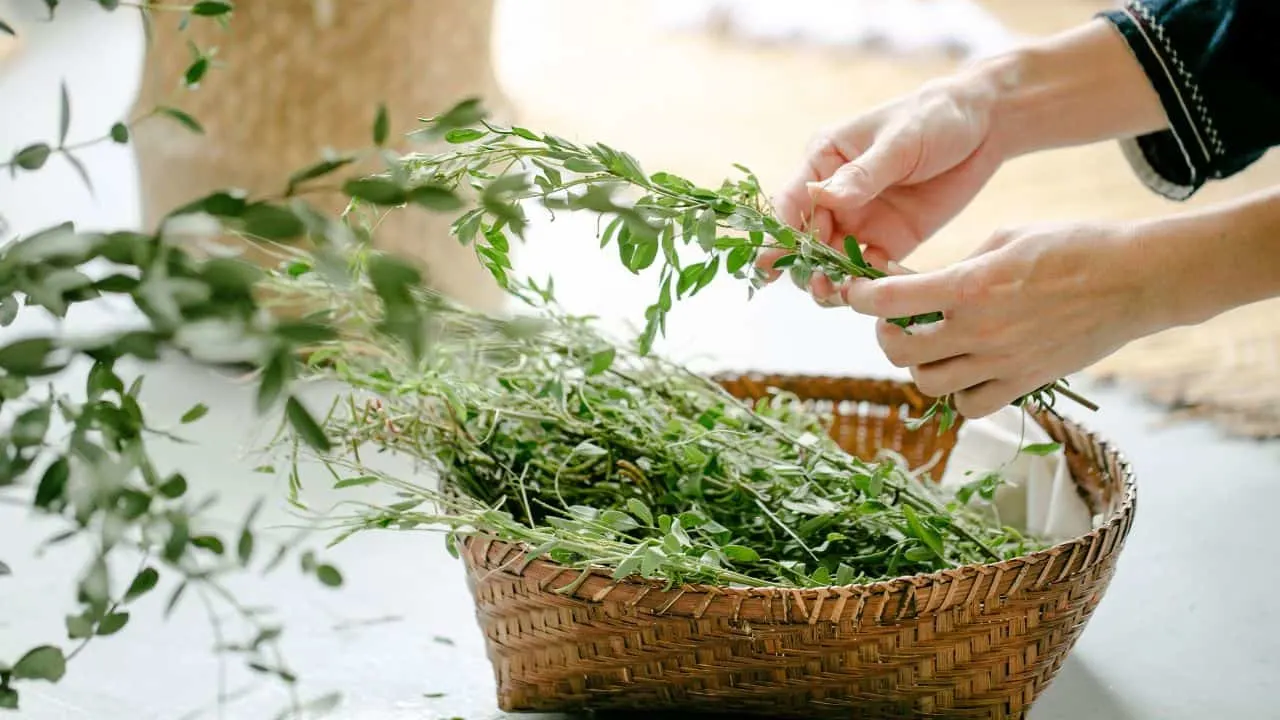
Timing matters more than you think. When you snip herbs can change how they taste, how long they last, and how well they dry or freeze.
- ⏰ Early morning is prime time. Wait until the dew has dried, but get there before the sun gets pushy.
- 🌞 Avoid hot afternoons. Heat makes herbs sweat, and that means essential oils start evaporating. Less oil means less flavor.
- ☁️ Cloudy mornings are perfect. Lower sun, cooler air, and no rush. Herbs keep their punch and dry easier after cutting.
If you’re heading out with scissors at 2 p.m., you’re already too late. The goal is to catch your herbs at their most fragrant and potent, not wilted and bitter.
🕶️ Bonus Tip
- 🌡️ Water the night before if it’s been dry. A lightly hydrated plant handles a morning harvest better than one that’s gasping for moisture.
- 📅 Harvest right before a big trim or freeze. If frost is coming or you’re cutting back anyway, that’s your last chance to snag those flavors.
3. Use Clean, Sharp Tools

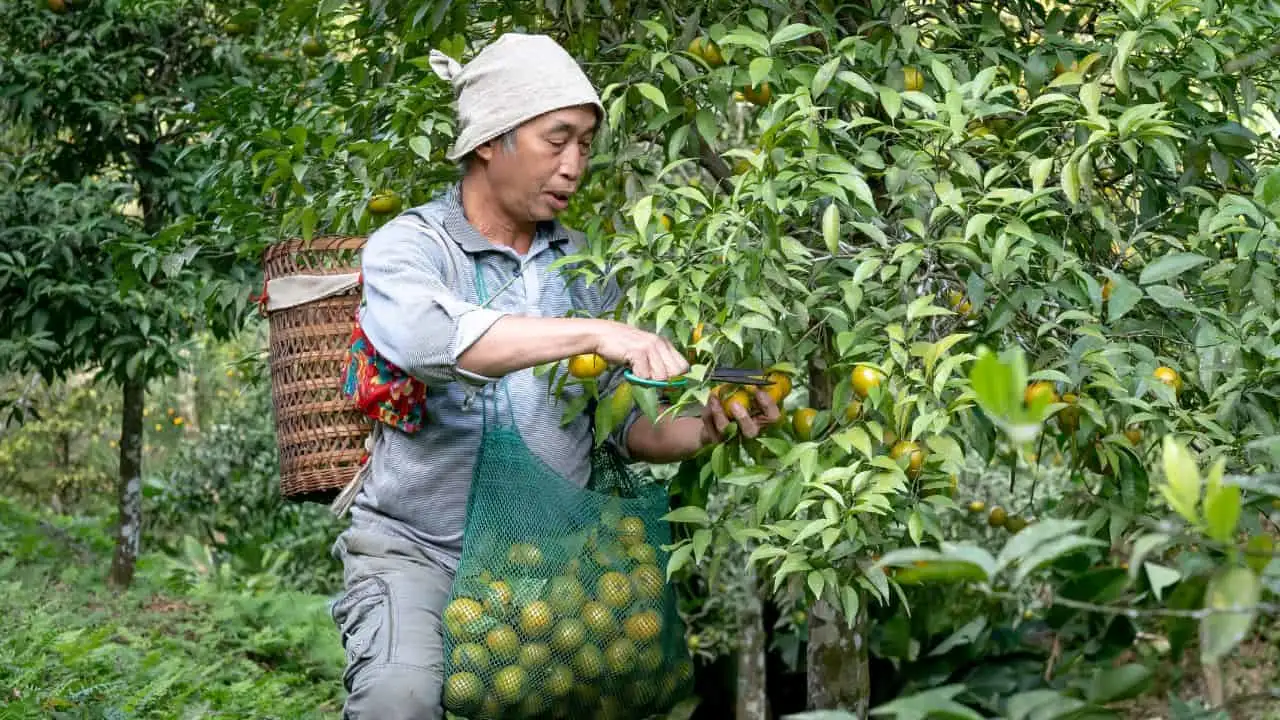
This is where a lot of people get lazy. Dull scissors? Rusty pruners? You’re not just bruising leaves — you’re inviting disease, rot, and sad-looking regrowth.
- ✂️ Use sharp scissors or pruning shears. You want a clean cut that doesn’t crush the stem.
- 🧼 Sanitize your tools before you start. A quick wipe with rubbing alcohol works. Especially important if you’ve been trimming other plants.
- 🔁 Cut just above a node. That’s the little bump where leaves meet stem. Cutting there encourages the plant to branch out and keep growing.
Think of it like a haircut. You wouldn’t want someone hacking at your head with rusty garden clippers. Treat your herbs with the same respect.
🧼 Bonus Tip
- 💦 If you’re harvesting a lot at once, rinse your tools between herbs. Some herbs (like mint) carry diseases that can easily spread with just a snip.
- 🧊 Keep a clean rag or towel nearby. Wipe blades regularly so they stay dry and sharp throughout the job.
4. Choose Your Preservation Method

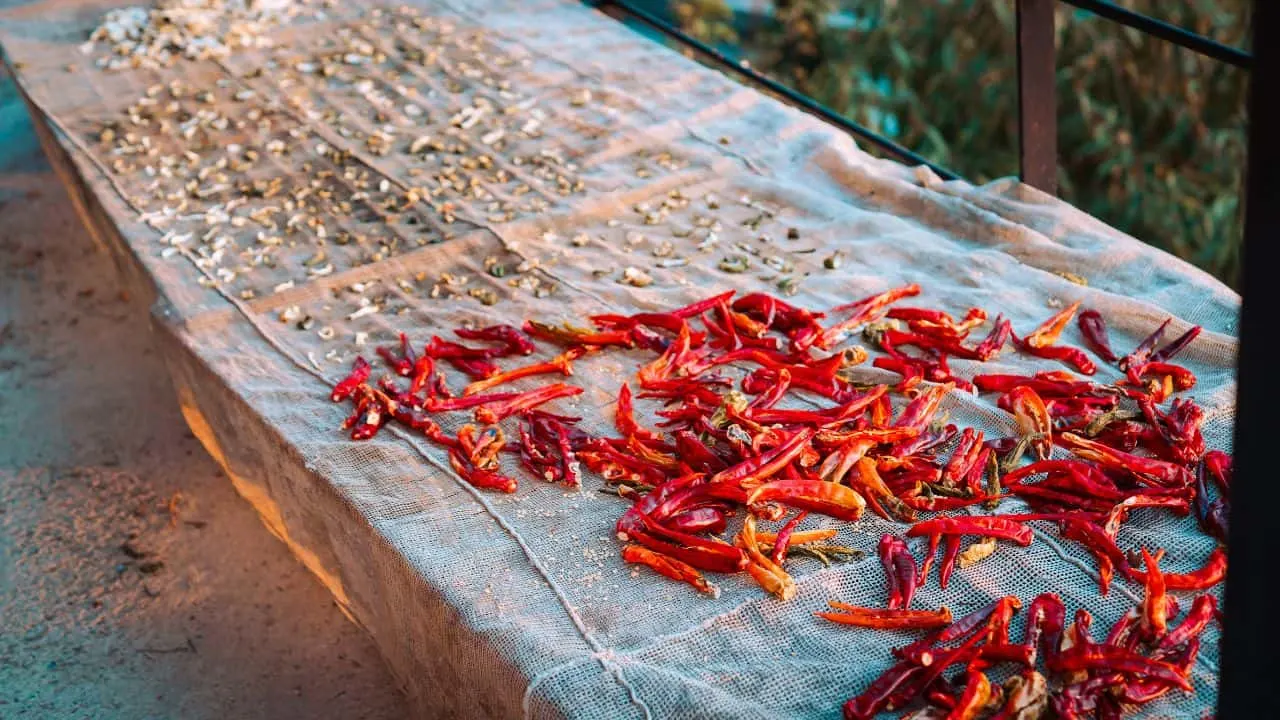
Fresh herbs are fantastic, but winter is coming. If you want that summer flavor in January, you need to lock it in now. Each herb has its favorite way to stay tasty. Here’s how to pick the right method for the plant in your hand:
- 🌿 Air-Drying — Best for sturdy, woody herbs like rosemary, thyme, and oregano. Tie in small bundles and hang them upside down in a dry, dark space. Make sure air can circulate.
- ⚡ Dehydrator — Ideal for fragile herbs like basil or mint. Set the temp low (95–115°F) to avoid cooking them. Works fast, keeps the color bright.
- 🧊 Freezing — Chop herbs and freeze them in ice cube trays with water or olive oil. Perfect for tossing into soups, sauces, or stews.
- 🧈 Herb Butters — Mix chopped herbs into softened butter, then freeze in portions. Great for garlic bread, roasted veggies, or emergency pasta flavoring.
- 🍶 Herb Vinegars — Steep herbs in vinegar for a few weeks. Strain and use in salad dressings or marinades. Especially nice with tarragon or dill.
Don’t wait too long. The earlier you preserve, the more flavor you’ll capture.
💡 Pro Tip
- 👃 Smell your herbs before preserving. If they’ve already gone bitter or lost their scent, skip them.
- 🧊 When freezing herbs, label your ice cube trays or bags. You won’t remember what’s what in three months.
5. Label Everything
You think you’ll remember. You won’t. That neatly chopped pile of green in the freezer? Could be parsley. Could be cilantro. Could be disappointment in February.
Label every jar, bag, cube tray, or container. Write the herb name and the date you stored it. If you’re feeling fancy, add a use-by note too.
Permanent marker is your best friend. Masking tape works if you’re in a pinch. Avoid sticky notes. They fall off the second anything gets cold or damp.
✍️ Bonus Tip
- 🧂 If you’re storing multiple herbs for cooking, group them by use. Italian mix? Curry set? Saves you time later.
- 📦 Keep a small notebook or phone list of what you stored where. Especially helpful if you have more than one freezer or cabinet.
6. Store It Right

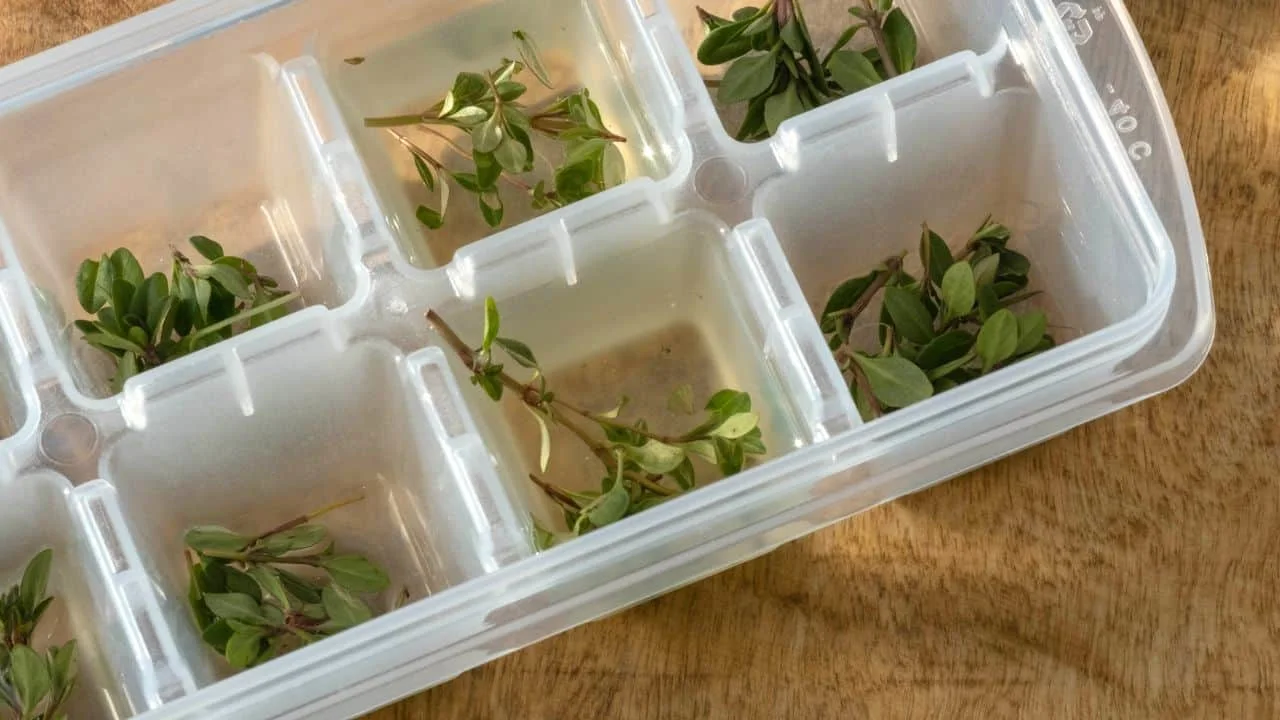
Harvesting is half the battle. If you don’t store herbs properly, you’ll end up with flavorless flakes or freezer-burned cubes that taste like ice and regret.
Dried herbs: Use airtight containers. Glass jars with tight lids work best. Keep them in a cool, dark cupboard far from the stove or oven.
Frozen herbs: Store in labeled freezer bags or sealed containers. Use them within six months for best taste.
Avoid storing herbs in clear jars on sunny windowsills or near heat. Light and warmth kill flavor fast.
❄️ Bonus Tip
- 🧊 Ice cube trays with lids prevent freezer burn and unwanted flavors from creeping in.
- 🧴 Dried herbs last longer when you store them whole. Only crush right before use.
- 🌿 If you’re making herbal blends, store the mix separately instead of blending before drying. This keeps each herb’s flavor intact.
7. Bonus Tip
Drying herbs outdoors might sound romantic, but it’s also a bug buffet. If you’re hanging anything on a porch or balcony, rinse it gently first and shake off the water. Then inspect every leaf like you’re hunting for treasure. Spoiler alert: sometimes it’s a spider.
Also, make sure the spot has airflow but no direct sun. Sunlight bleaches color and flavor, turning your lovely sage into brittle, bland confetti.
🌸 Extra Tips
- 🧺 Use mesh produce bags or old window screens to keep herbs off dusty surfaces.
- 🌬️ If bugs are a big problem, bring herbs inside overnight and let them finish drying in a closet or pantry.
- 🌿 Label outdoor drying spots so you don’t forget what’s hanging where.
Why August Herbs Taste Better in December
This isn’t about perfection. Your dried basil might look a little crumpled. Your frozen thyme cubes may not win awards. But when it’s the middle of winter and you stir one of these into soup or tea, it’ll feel like a shortcut to summer.
August gives you one last window to stock your pantry with flavor. It’s not hard, it’s not fancy, and it doesn’t take much space. Just a basket, a pair of scissors, and a little patience.
And when someone asks what your secret is, you can smile and say, “I picked it before the first frost.”


Daniel has been a plant enthusiast for over 20 years. He owns hundreds of houseplants and prepares for the chili growing seasons yearly with great anticipation. His favorite plants are plant species in the Araceae family, such as Monstera, Philodendron, and Anthurium. He also loves gardening and is growing hot peppers, tomatoes, and many more vegetables.