

You’ve probably been told to “feed your plants” when summer hits. And maybe you have — a scoop of this, a splash of that. But when the tomatoes still look moody and your peppers sulk through the heat, you start wondering if your fertilizer is actually doing anything at all.
Truth is, not all fertilizers play nice with summer. Some are too harsh for high temps. Some fizzle out by noon. And others? They’re just marketing fluff in a fancy bag.
That’s why we lined up the nine most effective fertilizers for summer vegetables — the ones that actually help when the sun’s cooking your soil and your cucumbers are gasping for nutrients. From liquid boosters to organic slow-releasers, this list counts them down from #9 to the very best of the best.
Because your garden doesn’t just need a snack — it needs smart fuel. And the right fertilizer? That’s your garden’s secret weapon when summer gets rough.
🌱 Key Takeaways
- 🔥 Summer heat changes the rules — what works in spring may stress your plants in July.
- 💧 Fast-acting fertilizers like liquids help during heatwaves, but may need frequent reapplication.
- ⏳ Slow-release options shine when consistency is key and you don’t want to fuss every week.
- 🥤 Gentle feeds like teas and worm castings can build resilience without overwhelming fragile roots.
- 🌿 Go mild if unsure — too much nitrogen in the heat can burn more than it boosts.
- 📍 Match the feed to the plant — leafy greens, fruiting crops, and stressed seedlings all have different needs.
- 🧪 Homemade doesn’t mean ineffective — some of the best summer fertilizers come from your compost bin.
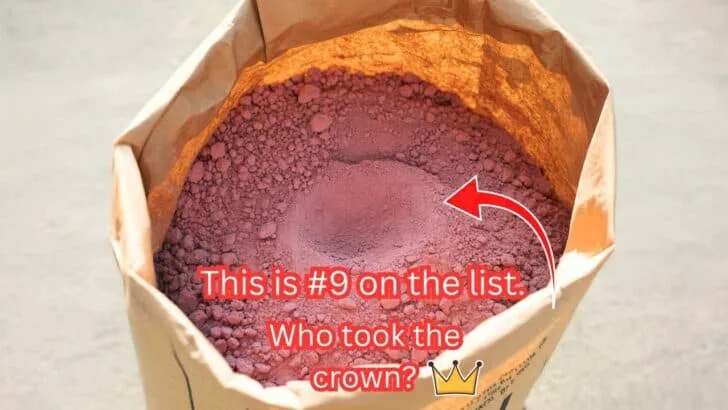
9️⃣ Blood Meal
Blood meal sounds like a dramatic potion from an old gardener’s spellbook — and honestly, it kind of is. This dark red powder is packed with nitrogen, which makes it a powerhouse for leafy growth. But in the summer? It’s like handing your plants a triple espresso during a heatwave.
If your veggies are pale, stunted, or clearly starving for nitrogen, a little blood meal can help kick them into gear. But overdo it, and you’ll burn the roots or push too much leafy growth at the expense of fruit. It’s not that blood meal is bad — it’s just picky about timing, dose, and need.
Think of it as an emergency jumpstart, not your daily multivitamin. And definitely not something to toss around when the sun’s already baking your soil at 90 degrees.
🌿 How to Use Blood Meal Safely
- Apply sparingly — just a tablespoon or two per plant, worked lightly into the top inch of soil.
- Water it in well to avoid nitrogen burn, especially during dry spells.
- Only use on plants clearly struggling with nitrogen deficiency (yellowing leaves, weak stems).
- Avoid using during peak heat hours. Early morning or late afternoon is safest.
- Store tightly sealed — animals love the smell and might dig it up if left exposed.
8️⃣ Manure-Based Fertilizer
Manure sounds old-school because it is. Farmers have been using it for thousands of years, and for good reason — it’s packed with nutrients and organic matter that feed both your plants and your soil. But summer? That’s where it gets tricky.
Fresh manure in hot weather can backfire fast. It’s “hot,” both literally and chemically, meaning it can burn your plants and make everything smell like a barnyard. That’s why in summer, you’ll want to stick to composted or pelletized forms. These are mellowed-out versions that release nutrients slowly without scorching roots.
Used right, manure-based fertilizers offer long-term benefits. They enrich soil structure, improve water retention, and help support microbial life. Just don’t go overboard — and always read the label if you’re buying bagged blends.
🐄 Tips for Using Manure-Based Fertilizer
- Choose composted or pelletized manure — these are safer for summer and don’t smell as strong.
- Mix lightly into the top few inches of soil or apply as a side dressing near the base of plants.
- Water in after applying to help nutrients settle and reduce any surface heat risk.
- Avoid using on seedlings or tender plants — it’s better for established veggies.
- Rotate where you use it year to year to balance nutrient loads in your beds.
7️⃣ Bone Meal
If your summer veggies are flowering but not fruiting, bone meal might be the missing link. It’s a slow-release source of phosphorus — the nutrient plants use to build strong roots and set blossoms. That makes it especially useful for fruiting crops like tomatoes, peppers, and squash.
But here’s the rub: bone meal isn’t fast. It takes time to break down, and its effectiveness depends on your soil’s pH. In alkaline soils, it may barely move the needle. And if your soil already has plenty of phosphorus? Adding more won’t help — and could even lock out other nutrients.
Still, when used strategically, it’s a solid summer pick for supporting long-term bloom and fruit development. It’s also odorless and won’t burn plants, which makes it easy to mix into your routine without stress.
🦴 Tips for Using Bone Meal
- Use as a pre-plant fertilizer or scratch into soil near blooming crops mid-season.
- Water well after application to activate nutrient release.
- Ideal for bulbs and flowering veggies — especially tomatoes and peppers.
- Test your soil first — if phosphorus is already high, skip it.
- Not ideal for acidic soils below pH 6 — bone meal breaks down slowly there.
6️⃣ Fish Emulsion
Fish emulsion is like an espresso shot for leafy greens. Packed with fast-acting nitrogen, it gives plants an immediate growth boost — especially helpful when your summer crops look sluggish or pale. It’s particularly loved by lettuce, kale, and other greens that thrive on nitrogen-rich diets.
What makes it handy in summer is that it’s gentle enough not to burn plants, even in hot weather, if diluted correctly. That said, it doesn’t last long. It needs reapplying every 1–2 weeks, which means it works best as part of a regular feeding schedule, not a one-and-done solution.
And yes, it smells like a bait shop exploded in your watering can. But your plants won’t mind — and the results usually speak for themselves.
🐟 Tips for Using Fish Emulsion
- Always dilute according to label instructions — more is not better.
- Apply to soil early in the morning or late afternoon to avoid leaf scorch.
- Store sealed and away from heat — this stuff gets stinky fast.
- Great for quick recovery after transplant shock or stress.
- Skip it near flowering — too much nitrogen can delay fruiting.
5️⃣ Worm Castings
If fish emulsion is a shot of espresso, worm castings are a long, nourishing breakfast. They won’t give your plants an instant jolt, but they offer steady, balanced nutrition that’s perfect for the slow-and-steady growth needed in hot weather. Castings are naturally low in salt, high in beneficial microbes, and gentle enough for even the fussiest seedlings or heat-stressed plants.
What makes worm castings a summer favorite? Moisture retention. When mixed into potting soil or used as a top-dressing, they help hold water right where your roots need it — a huge bonus for containers that dry out fast in the sun. Plus, they won’t burn your plants, even if you get a little heavy-handed.
They’re not cheap if you’re buying them in bulk, but a little goes a long way. And if you’ve got a worm bin? You’ve got black gold for free.
🪱 How to Use Worm Castings Right
- Mix into the top 2 inches of soil or sprinkle around the base of plants as a gentle feed.
- Ideal for tomatoes, peppers, herbs, and anything in a container.
- Make “worm tea” by steeping in water overnight and watering it in during heatwaves.
- Combine with compost or potting soil for long-lasting moisture retention.
- Safe to use every couple of weeks — there’s no such thing as overfeeding with castings.
4️⃣ Granular Tomato Fertilizer
This one’s a classic — and for good reason. Granular tomato fertilizer isn’t just for tomatoes. It’s a slow-release powerhouse tailored for fruiting crops, including peppers, cucumbers, squash, and even melons. The beauty of a granular formula? You apply it once, and it feeds your plants over time, right through the blazing days of summer.
Most tomato blends offer a balanced NPK ratio with an extra kick of phosphorus and potassium — exactly what you need for strong flowers, healthy fruit set, and fewer heat-induced tantrums like blossom drop. Plus, it sticks around in the soil even when the watering can’s in overdrive.
It’s not an instant fix, but it’s dependable. You feed once, and your plants stay fueled through heatwaves without constant top-ups. That kind of peace of mind is worth its weight in zucchini.
🍅 How to Use It Right
- Work it into the top 4–6 inches of soil before planting, or side-dress established plants.
- Water well after application — granules activate with moisture.
- Use every 4–6 weeks, depending on the brand and your crop’s hunger level.
- Ideal for tomatoes, but also a winner for fruit-heavy crops like squash and melons.
- Look for formulas labeled “vegetable” or “tomato & veggie” for best results.
3️⃣ Seaweed or Kelp Extract
This one’s not about brute force — it’s about plant resilience. Seaweed and kelp extracts aren’t packed with nutrients like nitrogen or phosphorus. Instead, they’re loaded with natural growth hormones, trace minerals, and stress-fighting compounds that help plants keep their cool when the sun’s out for blood.
Think of it like a spa treatment for your veggies. Kelp strengthens root systems, boosts cell structure, and helps regulate water uptake — all of which are critical when your peppers and cucumbers are melting under triple-digit temps. It also helps with transplant shock, flower retention, and overall heat resilience.
It’s especially good when paired with other fertilizers. Seaweed doesn’t feed your plants in the traditional sense, but it makes everything else work better. It’s the supporting actor that quietly keeps the whole show running.
🌊 How to Use It Smart
- Use as a foliar spray or soil drench every 2–3 weeks during peak heat.
- Apply early morning or late evening for foliar sprays — don’t mist leaves in the midday sun.
- Mix with compost tea or organic liquid feeds to amplify their effect.
- Great for all summer crops, but especially helpful for tomatoes, cucumbers, and herbs that bolt easily.
- Sold in liquid, powdered, or concentrate form — all work well if diluted correctly.
2️⃣ Compost Tea
If your garden had a favorite drink, this would be it. Compost tea is like cold brew for your plants — rich, mellow, and full of life. It doesn’t just hydrate, it energizes. And in summer, that gentle energy is exactly what your stressed-out vegetables are craving.
Made by steeping finished compost in water (usually with a little aeration), compost tea delivers a low-dose nutrient boost that’s incredibly easy on roots, even in extreme heat. But the real magic? It’s microbial. Compost tea is loaded with beneficial bacteria and fungi that help break down organic matter, support root health, and protect against heat stress and disease.
It won’t burn your plants. It won’t overload your soil. And it’s basically free if you’ve got compost and a bucket. For gardeners dealing with transplant shock, droopy tomatoes, or tired soil, this is one of the most soothing things you can apply in July.
🫖 How to Brew and Use
- Fill a bucket with water, add a shovelful of compost, and let steep for 24–48 hours. Stir occasionally.
- Use dechlorinated water if possible — chlorine can kill the good microbes.
- Strain and apply as a soil drench or foliar spray every 1–2 weeks.
- Great for all summer crops — especially leafy greens, peppers, and anything recently transplanted.
- If it smells rotten, don’t use it. Good compost tea smells earthy, not like sewage.
🥇 1. Liquid Organic Blend
This is it — the gold medalist. If there’s one fertilizer that checks nearly every summer box, it’s a high-quality liquid organic blend. These fertilizers combine fast-acting nutrients with plant-boosting extras like seaweed, fish emulsion, humic acids, and sometimes even molasses. They’re like smoothies for your soil — full of energy, hydration, and bonus goodies that help plants bounce back from heat, stress, or slow starts.
The beauty of these blends? They’re adaptable. You can mix them into watering cans for a quick pick-me-up or use them in a hose-end sprayer to hit a larger area. Most include nitrogen for leafy growth, phosphorus for fruiting, and potassium for overall resilience — plus the trace minerals and organic matter that roots crave in hot weather.
They’re especially powerful for fast-growing summer crops like beans, squash, cucumbers, and tomatoes, but almost any veggie will perk up after a dose. And since they’re liquid, nutrients are available right away — no waiting for breakdown, no guessing games.
💧 Best Practices for Liquid Blends
- Apply early in the morning or late in the day — avoid strong midday sun to prevent leaf burn.
- Use every 10–14 days during active growth — especially for heavy feeders like tomatoes and corn.
- Always follow the label for dilution rates. Stronger doesn’t mean better — it just means riskier in the heat.
- Shake well before use — organic ingredients can settle at the bottom of the bottle.
- Store in a cool, shaded place. These are living blends — don’t cook them in your shed.
The One That Works for You
You don’t need a shelf full of fancy bottles or a spreadsheet of NPK ratios. Summer fertilizing doesn’t have to be complicated — but it does need to be thoughtful. The real secret? Pick the fertilizer that fits your setup, your schedule, and your plants’ needs right now.
If your tomatoes are hungry and the heat’s on, go liquid. If your peppers are flowering and need staying power, think granular. If your soil is tired, give it a compost tea bath. Each one of these nine fertilizers has its moment — and once you match the moment to the method, you’ll see the difference fast.
Just remember: in summer, plants grow fast but stress faster. A little nutrient support — the right kind, at the right time — can be the thing that turns limp leaves into harvest baskets. You don’t have to use all nine. Just use the one that makes sense for your garden. Your plants will tell you when you got it right.


Daniel has been a plant enthusiast for over 20 years. He owns hundreds of houseplants and prepares for the chili growing seasons yearly with great anticipation. His favorite plants are plant species in the Araceae family, such as Monstera, Philodendron, and Anthurium. He also loves gardening and is growing hot peppers, tomatoes, and many more vegetables.