

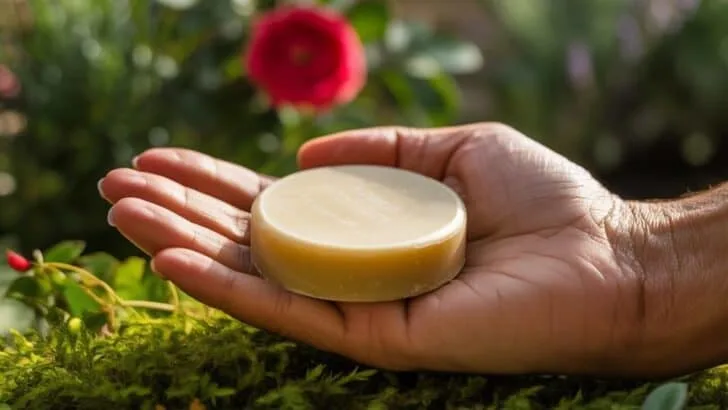
Soap isn’t just for scrubbing dirty hands after a long day in the garden. Depending on who you ask, it also repels deer, kills aphids, polishes your pruners, and might even chase ants out of your compost bin.
But does any of it actually work? Or are we all just out here spraying Dawn on leaves and hoping for the best?
We rounded up seven of the weirdest ways gardeners use soap — from bar soap burial to insecticidal sprays — and ranked them from total myth to surprisingly effective. A few might surprise you. One might save your roses.
And yes, someone has tried burying a bar of Irish Spring in their tomato patch. We’re talking about it.
🧼 Key Takeaways
- 🧪 Not all soaps are created equal. Choose mild, unscented liquid soap — no bleach, no degreasers, no perfume bars.
- 🌿 Soap is a tool, not a miracle. It can kill pests, boost sprays, and clean tools — but it won’t fix bad soil or scare off every critter.
- 🧠 If it sounds too clever, test it first. Always try new soap hacks on a few plants before spraying your entire garden.
- ⏳ Most soap tricks are short-term. Reapply, rotate strategies, and don’t expect one bar of Irish Spring to guard your garden for life.
- 💡 Use soap wisely — and sparingly. When used well, it’s cheap, safe, and surprisingly effective. Just don’t dump it in your soil like fertilizer.
1. Burying Bar Soap to Enrich Soil
💀 Effectiveness: ⭐ 2/10
Yes, people do this. Usually with good intentions and bad information. The idea is that the soap will slowly break down, releasing something helpful into the soil — nutrients, pest-repelling compounds, maybe just “clean energy.”
In reality? Most commercial bar soaps are full of things your soil doesn’t want. Artificial fragrance. Heavy sodium content. Animal fats. None of it does your plants any favors. And the real kicker? The stuff takes forever to break down, if it breaks down at all.
There’s no evidence it helps anything grow. And if you bury enough of it? You could end up messing with soil pH, repelling helpful bugs, and slowing microbial activity — the opposite of what a healthy garden wants.
🚫 Don’t Bury the Bar
- If you want to enrich soil, use compost — not toiletries.
- Stick to biodegradable soaps *only* if you’re experimenting, and even then, not in edible beds.
- Bar soap is better above ground as a pest repellent (sort of — more on that next).
2. Hanging Irish Spring to Repel Deer or Rabbits
🐇 Effectiveness: ⭐ 4/10
This one shows up on every gardening forum at least once a week: “Hang Irish Spring soap in your yard, and the deer will stay away!” It’s cheap, it smells like someone just cleaned a locker room, and it might confuse curious critters for a while.
The theory is that the strong scent overwhelms or repels animals like deer, rabbits, and groundhogs. And to be fair, some people swear by it — for a few days. The problem is, most animals aren’t that dumb. Once they realize the soap isn’t dangerous (or delicious), they ignore it entirely.
Also, rain washes away the scent, wind spreads it inconsistently, and if you hang it near edible plants, it doesn’t stop determined grazers. At best, it buys you a little time. At worst, it makes your garden smell like a gym shower.
🧼 If You’re Gonna Try It
- Use mesh bags or pantyhose to hang chunks near entry points or vulnerable plants.
- Replace soap every 2–3 weeks or after heavy rain.
- Combine with other deterrents like motion sensors or netting for better results.
3. Soap on Stakes or Fences for Pest Confusion
🦌 Effectiveness: ⭐ 5/10
This is the more tactical cousin of the hanging-soap trick. Instead of just tossing bars around randomly, gardeners mount chunks of strong-smelling soap on stakes or posts — usually at nose-height for deer or ground-level for rabbits. The idea is to create a scent barrier that makes animals second-guess walking into your yard buffet.
And to be fair, it works better than hanging a single bar by the mailbox. Animals are more likely to pause or detour if there’s a solid scent wall in place. But again, it’s temporary. Rain dilutes it. Sun degrades it. And some animals simply don’t care once they’re hungry enough.
If nothing else, it’s a low-cost experiment — and makes your fence line smell like “Mountain Blast.”
🪵 How to Do It Right
- Cut soap into cubes and attach them to wooden stakes every 3–5 feet.
- Use unscented twine or zip ties to hold soap in place.
- Refresh soap regularly — especially after rain or animal activity.
4. Soap for Cleaning Garden Tools
🧽 Effectiveness: ⭐ 6/10
No, it won’t make your shovel shinier. But it might save your tomatoes from blight.
Dirty tools spread disease — especially when you’re pruning, harvesting, or cutting back damaged plants. Fungal spores, bacteria, and even virus particles can hitch a ride on shears or trowels and infect your next innocent seedling. A quick scrub with warm, soapy water between tasks? That’s the gardening equivalent of washing your hands during cold season.
It’s not glamorous, but it’s good hygiene. And if you’ve ever watched a whole bed of squash go down because of one dirty knife… you learn.
🧼 Tool Cleaning 101
- Use mild dish soap and hot water to wash off dirt and sap.
- Rinse and dry thoroughly to prevent rust.
- Disinfect with rubbing alcohol or diluted bleach between cuts if dealing with disease.
- Keep a bucket of soapy water nearby during pruning sessions — it makes a big difference.
5. Soap + Oil Spray for Fungal Issues
🌿 Effectiveness: ⭐ 7/10
This is where soap stops pretending to be magic and starts doing actual work. It acts as an emulsifier — a fancy way of saying it helps oil and water mix instead of separating like salad dressing gone wrong.
Why does that matter? Because oils like neem, jojoba, or even basic horticultural oils are great for smothering fungal spores and leaf pests — but only if you can get them to coat the plant evenly. Add a few drops of mild soap, and boom: instant plant-safe spray that actually sticks to leaves.
Use it on powdery mildew, black spot, or mystery leaf gunk. Bonus: it’s cheap and works on most ornamentals and edibles.
🧪 How to Mix It Right
- Use 1–2 teaspoons of mild liquid soap per quart of water.
- Add 1 tablespoon of neem or horticultural oil. Shake well.
- Spray in early morning or late afternoon to avoid leaf burn.
- Test on a few leaves before going all-in — some plants are sensitive.
6. DIY Ant Deterrent with Soapy Water
🐜 Effectiveness: ⭐ 8/10
If you’ve got an ant problem — in your raised beds, compost, or pots — a little soap can go a long way. Mixed with water, it coats their bodies, clogs their spiracles (breathing holes), and shuts down the whole trail like a traffic jam in July.
It doesn’t just kill ants on contact — it disrupts their scent trails too. That means fewer reinforcements and less long-term chaos. It’s especially handy around patio plants, potted herbs, or anywhere they start nesting where they shouldn’t.
It’s not a cure-all, and it won’t get deep nests underground, but for surface control? Soap wins.
🐜 How to Make an Ant-Stopping Spray
- Mix 1 tablespoon of mild liquid soap with 1 quart of water.
- Spray directly on ant trails, nest entrances, or clusters.
- Repeat every few days — and spray early before the day gets hot.
- Don’t spray near beneficial insect zones like bee-attracting flowers.
7. Insecticidal Soap Spray for Aphids and Mites
🐛 Effectiveness: ⭐ 10/10
This is the soap trick that actually works — and has science to back it. Insecticidal soap spray is one of the best organic weapons against soft-bodied pests like aphids, spider mites, mealybugs, and whiteflies. It doesn’t poison them — it suffocates and dehydrates them on contact.
It’s fast, cheap, and surprisingly safe for most plants when diluted properly. Bonus: it breaks down quickly and won’t harm pollinators if used responsibly. You just need to hit the bugs directly — it’s not a preventative and won’t stay on the leaves like a chemical spray.
For gardeners tired of seeing new aphids every morning, this is your moment of revenge.
🐞 How to Use It Like a Pro
- Mix 1–2 teaspoons of mild liquid soap with 1 quart of water — no degreasers, scents, or bleach.
- Spray directly on affected areas, especially under leaves.
- Apply in the early morning or late evening to avoid sunburned leaves.
- Repeat every few days until pest activity drops off.
Soap Isn’t Magic — But It’s Close
In the garden, soap walks a weird line. Use the right kind in the right way, and you’ve got a fast, effective solution for bugs, grime, and even fungal issues. Use the wrong kind in the wrong place, and suddenly your compost smells like a locker room and your plants are sulking.
The trick is to treat soap like a helper — not a cure-all. Dilute it. Test it. Keep it off the soil. And please, stop burying bars of it like they’re root boosters from the dollar store.
If your aphids start trembling when they see you reach for the spray bottle? You’re doing it right.


Daniel has been a plant enthusiast for over 20 years. He owns hundreds of houseplants and prepares for the chili growing seasons yearly with great anticipation. His favorite plants are plant species in the Araceae family, such as Monstera, Philodendron, and Anthurium. He also loves gardening and is growing hot peppers, tomatoes, and many more vegetables.