

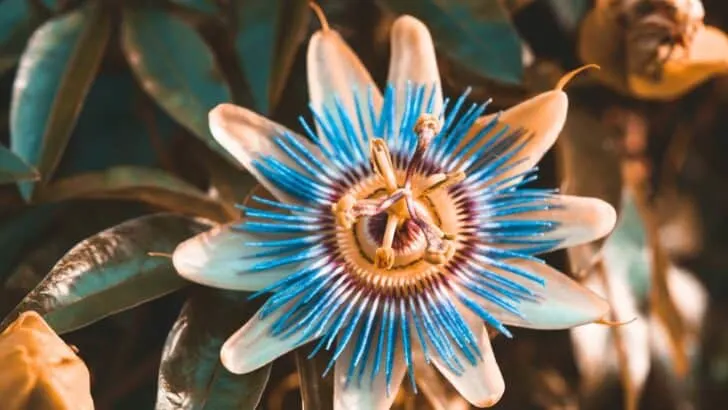
Some plants just don’t look like they belong in a backyard. They look too dramatic. Too glossy. Too rare. Like they’re meant to be admired in a rainforest, not grown next to your grill.
But here’s the twist. Some of the most over-the-top, high-drama plants are secretly the easiest to grow. They’re not fussy. They’re not fragile. They’re just really good at pretending to be high maintenance.
You don’t need a greenhouse. You don’t need to mist them daily or whisper encouragement. These are the drama queens of the plant world — with a surprisingly tough streak.
And they’ll make your neighbors think you’re running a botanical garden from your patio.
🌿 Key Takeaways
- 🌟 Bold doesn’t mean difficult — many exotic-looking plants are surprisingly easy to grow.
- 🧪 Unusual shapes and colors don’t require special soil or constant babying.
- 🔥 Most of these stunners handle heat and sun like pros — perfect for tough summers.
- 🪴 Even small spaces or containers can host dramatic foliage and vibrant blooms.
- 📍 Always check hardiness zones — exotic looks don’t mean exotic needs if you plant smart.
- 🎭 Weird is wonderful — your garden should make you smile every time you walk past it.
1. Passionflower (Passiflora incarnata)

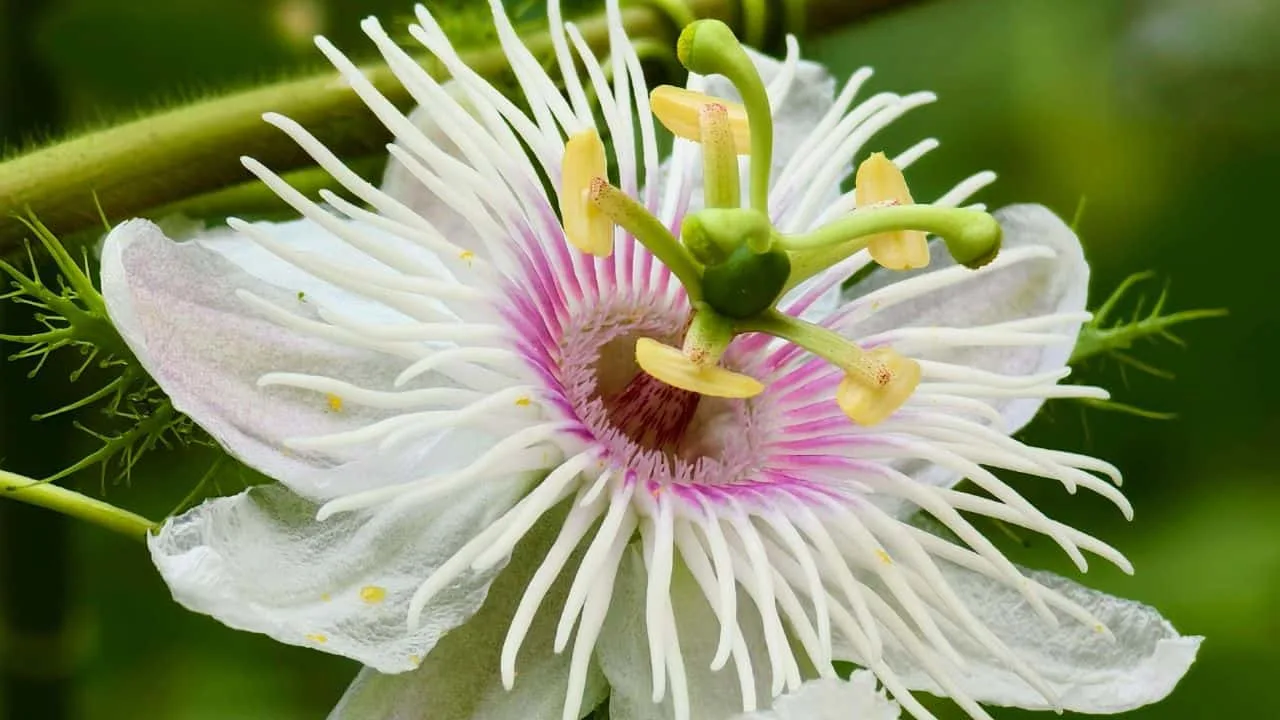
This flower looks like it crash-landed from another galaxy. With tendrils, filaments, and colors that seem too perfect to be real, Passionflower doesn’t just bloom — it performs.
But here’s the kicker. It’s not fragile. It’s not rare. In fact, in Zones 6 to 10, it grows like it’s trying to take over the neighborhood. Passionflower is a native vine in much of the US, and once it settles in, it spreads fast and climbs anything in its path.
Train it up a trellis, let it run along a fence, or give it a pergola to conquer. Wherever you plant it, this thing shows up like it’s auditioning for a role in a fantasy film.
2. Elephant Ears (Colocasia)

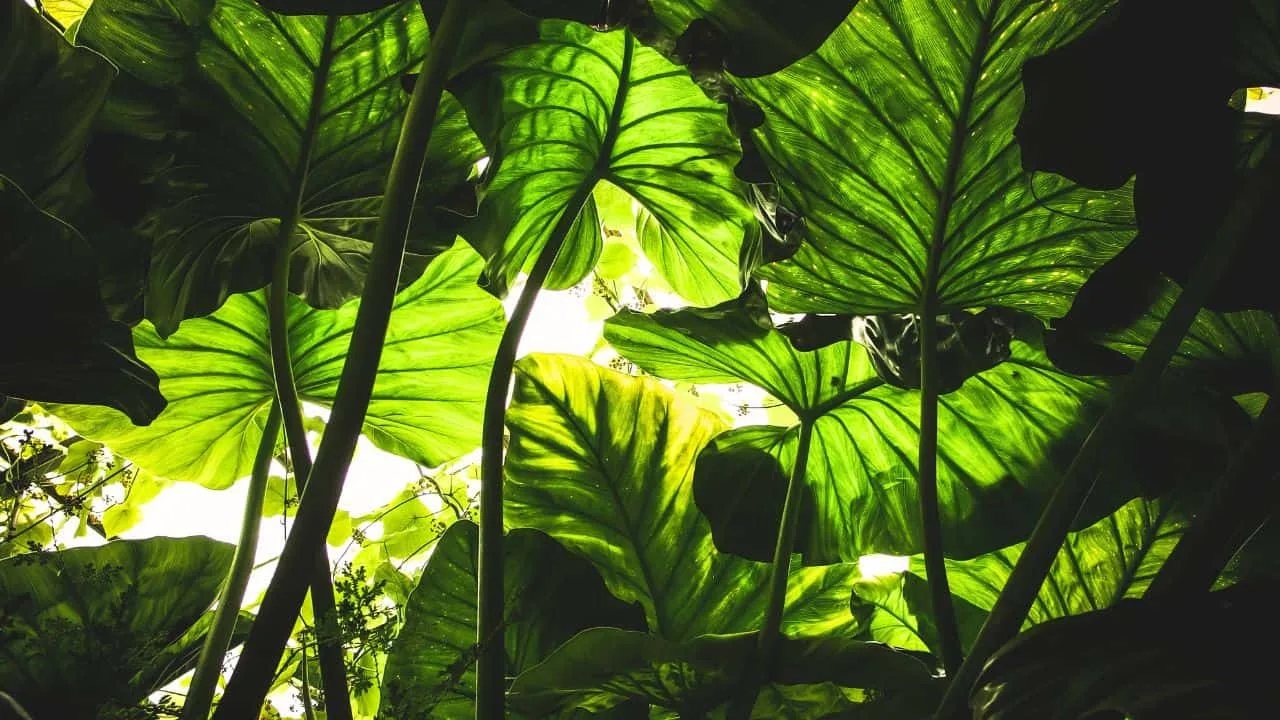
These leaves don’t whisper. They shout. Broad, dramatic, and unapologetically lush, Elephant Ears bring rainforest vibes even when your garden is more suburban than tropical.
They look like they belong in the jungle, but they’re surprisingly adaptable. Hardy in Zones 8 to 11, with some varieties returning even in Zone 7 with mulch, they love moisture and warmth but can handle full sun or partial shade without drama.
The best part? Once they get going, they create shade, retain moisture, and turn any flower bed into a scene straight out of a botanical dream sequence.
3. Persian Shield (Strobilanthes dyerianus)
This one doesn’t look real. Persian Shield is so iridescent, it seems like someone took a paintbrush and dipped it in metallic purple. But unlike your most delicate houseplant, it’s not just pretty — it’s tough.
Hardy in Zones 8 to 11, this plant loves heat and humidity but tolerates containers and part-shade like a champ. In cooler zones, you can overwinter it indoors or grow it as a flashy annual.
It gets bushy fast, especially with a mid-season haircut. And while the flowers are forgettable, the foliage makes up for it tenfold. Plant it once, and people will ask about it every time they visit.
4. Canna Lily (Canna indica)

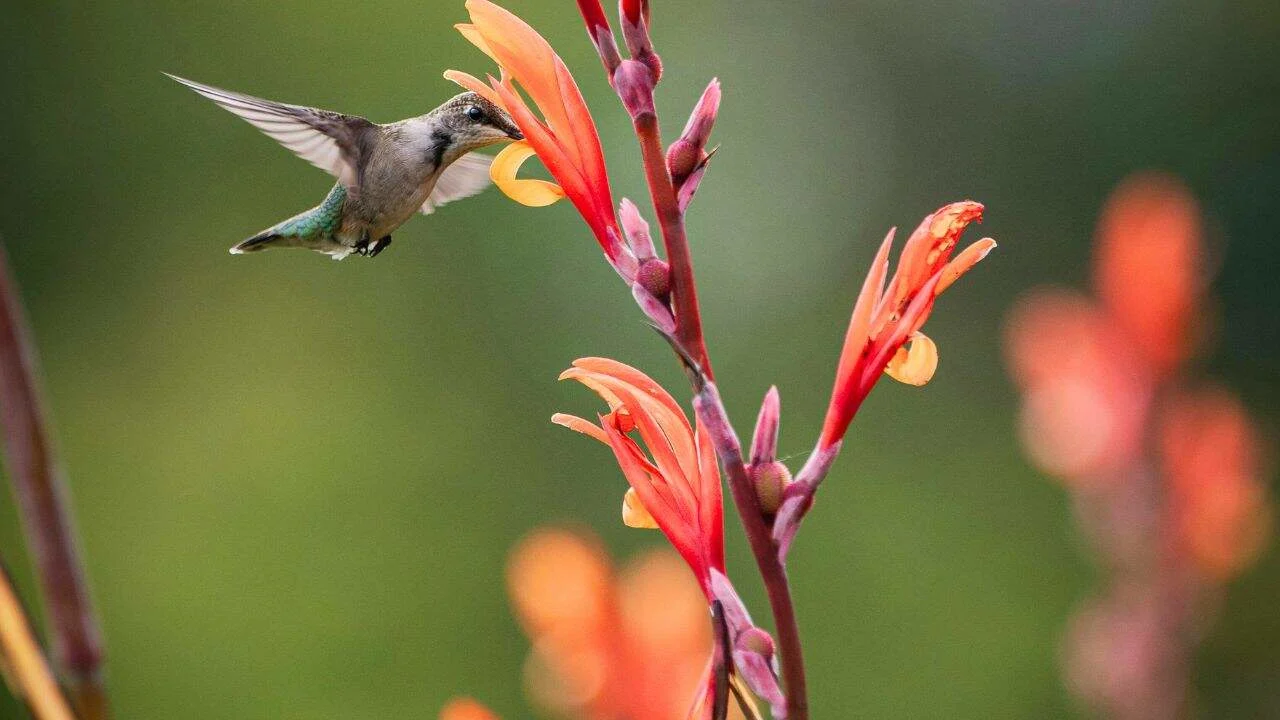
Canna Lily doesn’t whisper. It shouts. With its towering stalks, banana-like leaves, and fiery blooms, it looks like it just walked out of a tropical jungle. But despite the exotic vibes, it’s surprisingly down-to-earth.
Hardy in Zones 7 to 11, Canna thrives in full sun, drinks up heat, and shrugs off poor soil. Once it’s settled, it handles short dry spells without flinching. In colder zones, dig up the rhizomes in fall and store them like potatoes.
This is a plant that brings the drama — but asks very little in return. Plant it near a fence, in a big pot, or let it line a path like a red carpet. Instant vacation effect, no passport required.
5. Pokeweed (Phytolacca americana)

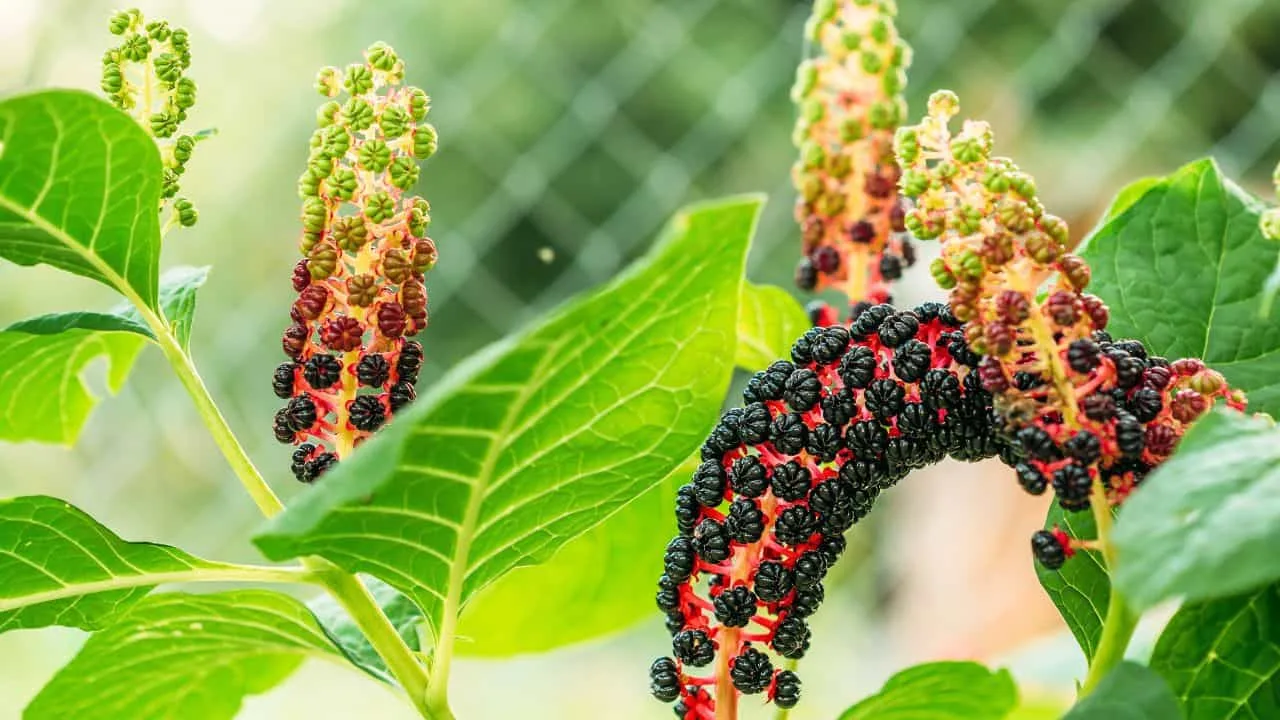
Massive leaves. Magenta stems. Clusters of ink-black berries that look like they belong in a medieval apothecary. Pokeweed has the kind of presence that stops people mid-stride. And yes — it’s a bit of a rebel.
Hardy in Zones 4 to 8, this plant grows fast and tall, often topping 6 feet. Birds love the berries. Humans should steer clear — they’re toxic. But visually? It’s a showstopper. Especially in fall, when the berry stems turn bright fuchsia.
In the right garden, it can be a self-seeding sculpture. Just keep it in check and admire it from a distance. It’s dramatic. It’s a little dangerous. And it’s weirdly beautiful.
6. Amaranth (Amaranthus caudatus)
At first glance, it looks like someone draped a velvet curtain over your garden. Long, trailing flowers spill down like crimson ropes, drawing every eye within a mile radius. And despite the drama, amaranth is surprisingly low maintenance.
Hardy in Zones 2 to 11 as an annual, it grows fast, handles heat like a pro, and thrives even in poor soil. You can let it go wild or treat it like a centerpiece — either way, it performs.
Plus, those vibrant blooms aren’t just for show. In some cultures, the seeds are edible, the leaves are cooked like spinach, and the entire plant is considered a superfood. Weird-looking? Sure. Worth growing anyway? Definitely.
7. Kangaroo Paw (Anigozanthos)

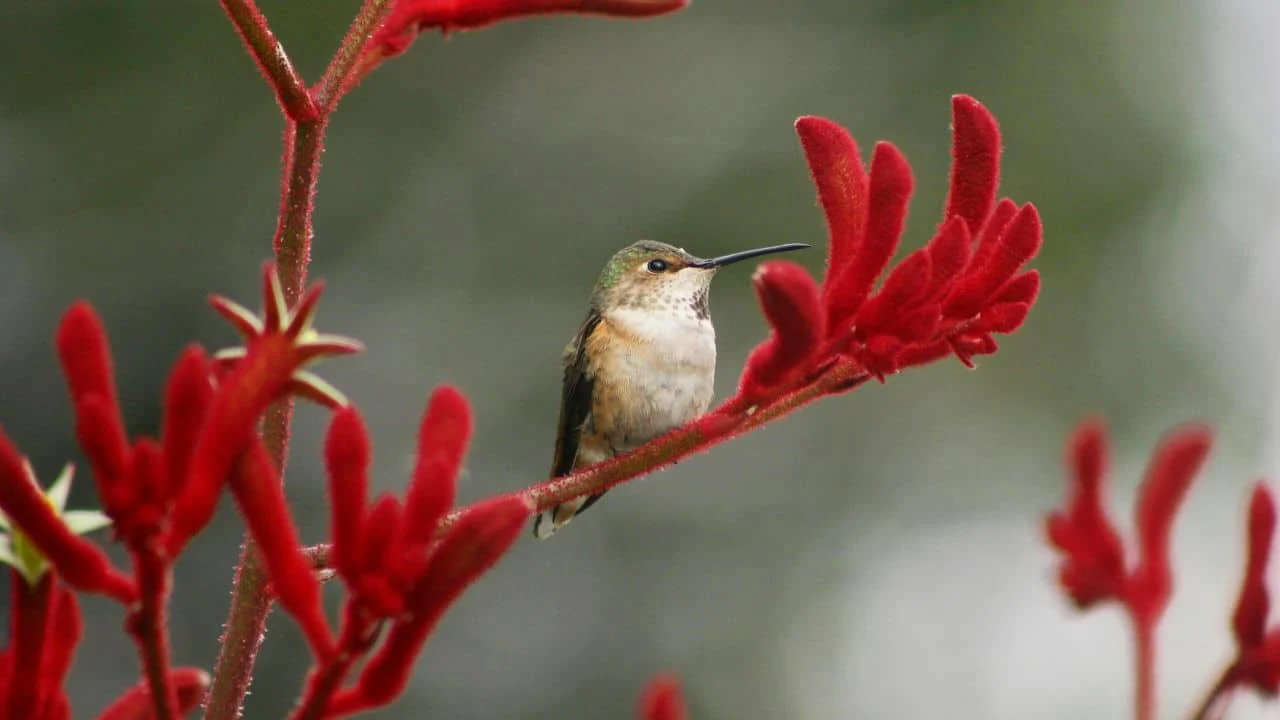
It looks like something out of a sci-fi film — fuzzy red tubes sticking out of the ground like alien antennae. But this oddball plant isn’t just for show. It’s a real survivor, especially in dry, tough climates.
Kangaroo Paw is hardy in Zones 9 to 11 and thrives in full sun with well-drained soil. It shrugs off drought, needs very little fuss, and rewards you with flowers that hummingbirds can’t resist.
The name? It comes from those claw-shaped blooms that really do look like they belong on a marsupial. Just don’t expect uniformity. Every flower cluster has a bit of weird in it — that’s the charm.
8. Blue Chalksticks (Senecio serpens)
At first glance, it looks fake. Like someone spilled a box of sky-blue crayons into the flower bed. But Blue Chalksticks are very real — and shockingly easy to grow if you live in the right zone.
This succulent is hardy in Zones 9 to 11 and practically thrives on neglect. It loves full sun, gritty soil, and being left alone. Forget to water it for a week? It’ll thank you with more color.
Its spreading habit makes it a favorite for borders, rock gardens, and containers where you want a splash of icy blue. And no, you don’t need a desert to grow it. Just a little drainage and a little sun.
9. Tropical Milkweed (Asclepias curassavica)

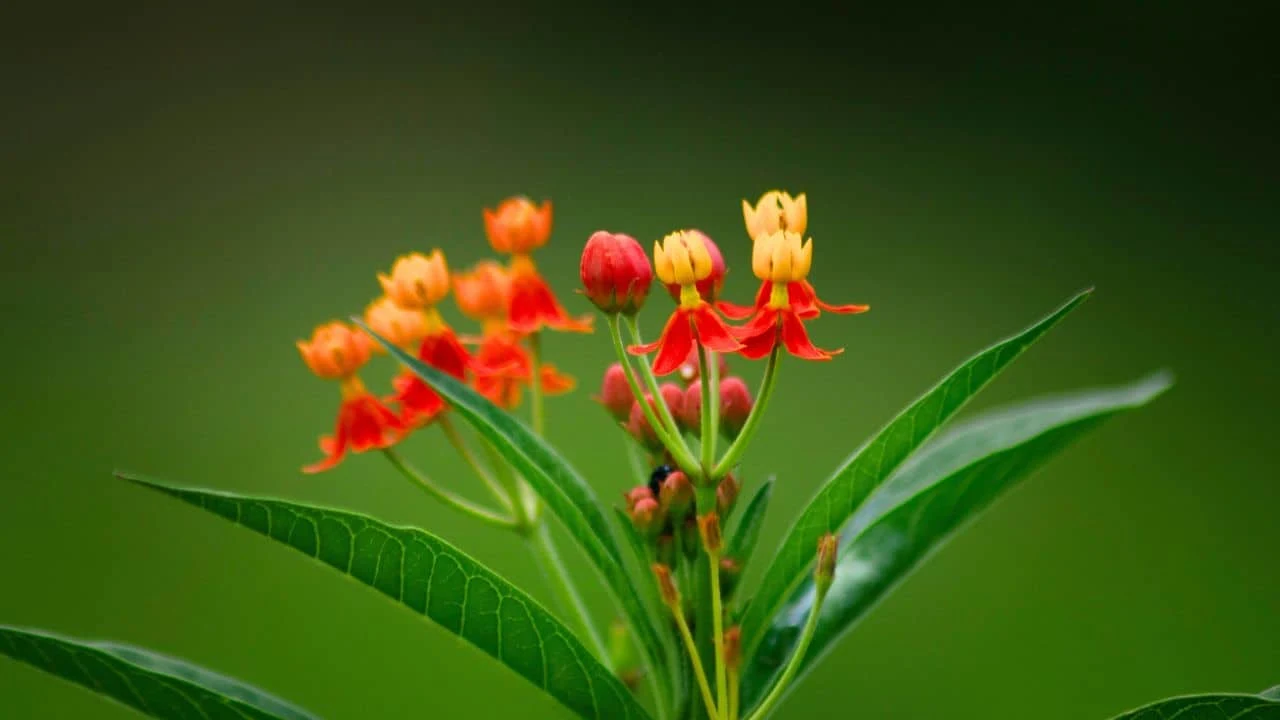
It looks like something you’d see behind glass at a fancy botanical garden — fiery blooms in sunset shades, with long stems made for butterflies to land on like royalty.
But Tropical Milkweed isn’t fussy. It’s hardy in Zones 9 to 11 and grows like a champion in full sun with average soil. You barely have to try. Just plant it, stand back, and prepare for the monarch parade.
Even in cooler zones, it can be grown as an annual or overwintered indoors. And yes, it really does reseed like it owns the place. Let it.
Why Settle for Boring?
Gardens don’t have to play it safe. They don’t have to blend in. And neither do you.
The plants on this list prove that drama doesn’t mean high maintenance. You can have bold leaves, surreal colors, and flowers that look like they belong in a sci-fi movie — without needing a greenhouse or a team of horticulturists.
And if you’ve got a little experience under your belt? Even better. These plants reward gardeners who trust the process, experiment a little, and aren’t afraid of a few stares over the fence.
Because sometimes, gardening isn’t about following rules. It’s about planting something that makes you stop, stare, and say — yep, that one’s mine.


Daniel has been a plant enthusiast for over 20 years. He owns hundreds of houseplants and prepares for the chili growing seasons yearly with great anticipation. His favorite plants are plant species in the Araceae family, such as Monstera, Philodendron, and Anthurium. He also loves gardening and is growing hot peppers, tomatoes, and many more vegetables.