

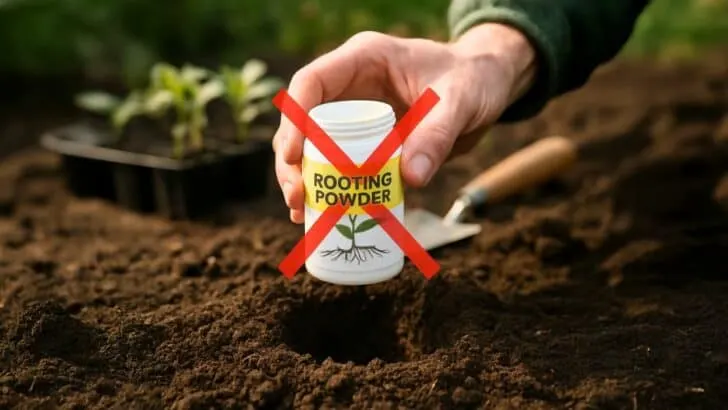
You dig the hole. You pat down the soil. You water. You wait.
And then nothing happens. Or worse — the plant sulks. It sits there for weeks, looking stunned, refusing to grow. You start wondering if it’s the weather. Or the soil. Or you.
But there’s a trick. One tiny step that can change everything. It’s not expensive. It’s not complicated. And you already have what you need.
Most gardeners skip it. And that’s a shame, because the best time to set your plant up for success is before you even drop it in the ground.
The trick? It’s what you add to the hole — before planting anything.
What’s the One Thing?

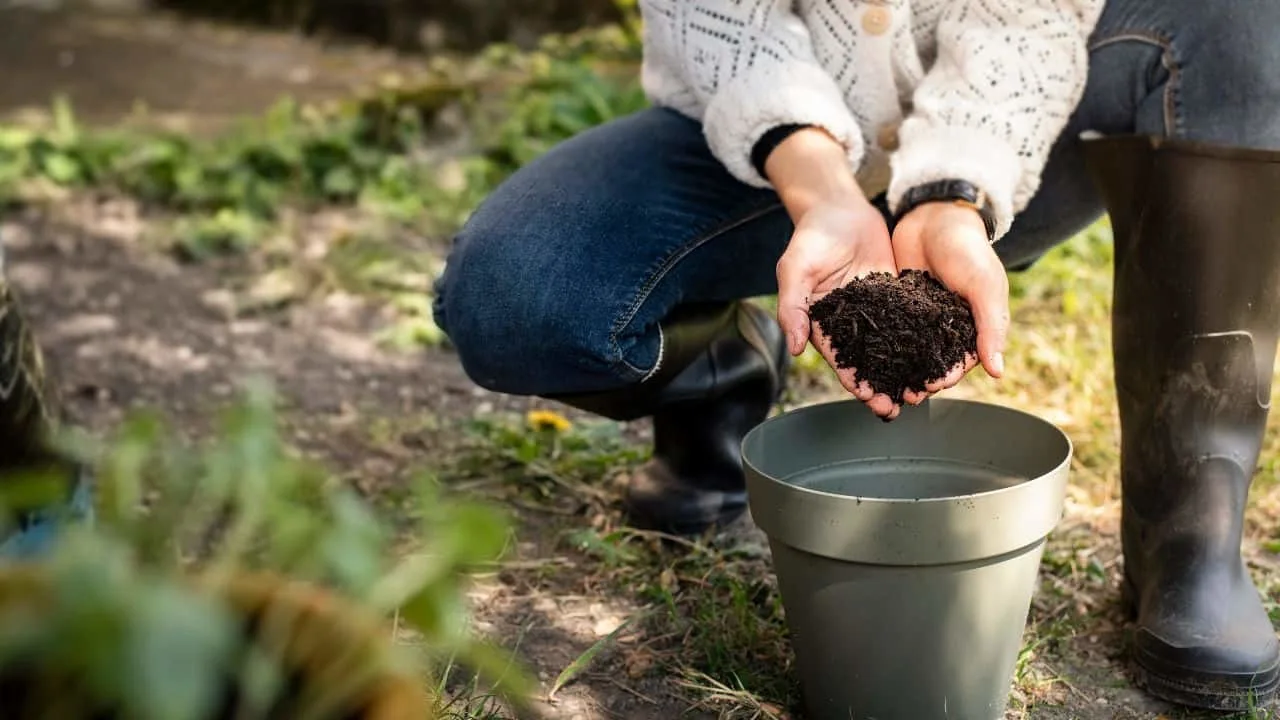
The one thing is compost. But not all compost is created equal. So please hear us out.
If you’re planting into the ground, the best thing you can add to the hole is well-aged, biologically active compost — not just half-decomposed kitchen scraps or bagged stuff that smells like wood chips. We’re talking about crumbly, dark, earthy-smelling compost that’s been broken down by microbes, worms, and time.
The best kind? Homemade compost that’s at least six months old, with a balance of greens (like veggie scraps and grass clippings) and browns (like dried leaves and shredded paper). If you don’t compost at home, look for organic, screened compost from a local source. Mushroom compost and vermicompost (worm castings) are also excellent options — nutrient-rich and gentle on roots.
Aim to mix a few generous handfuls into the native soil at the bottom and sides of your planting hole. This gives your transplants something to anchor into, with nutrients, moisture, and microbial life right where they need it. Avoid dumping a pure layer of compost without mixing — roots may stay in that layer instead of spreading out.
And skip anything that smells sour, slimy, or like it belongs in a landfill. That’s not compost. That’s punishment.
🌱 Bonus Tip
Got clay soil? Mix in a bit of coarse compost plus some shredded leaves to improve texture and drainage. Sandy soil? Go heavier on rich, moisture-holding compost like vermicompost or mushroom compost.
1. A Handful of Mycorrhizal Fungi

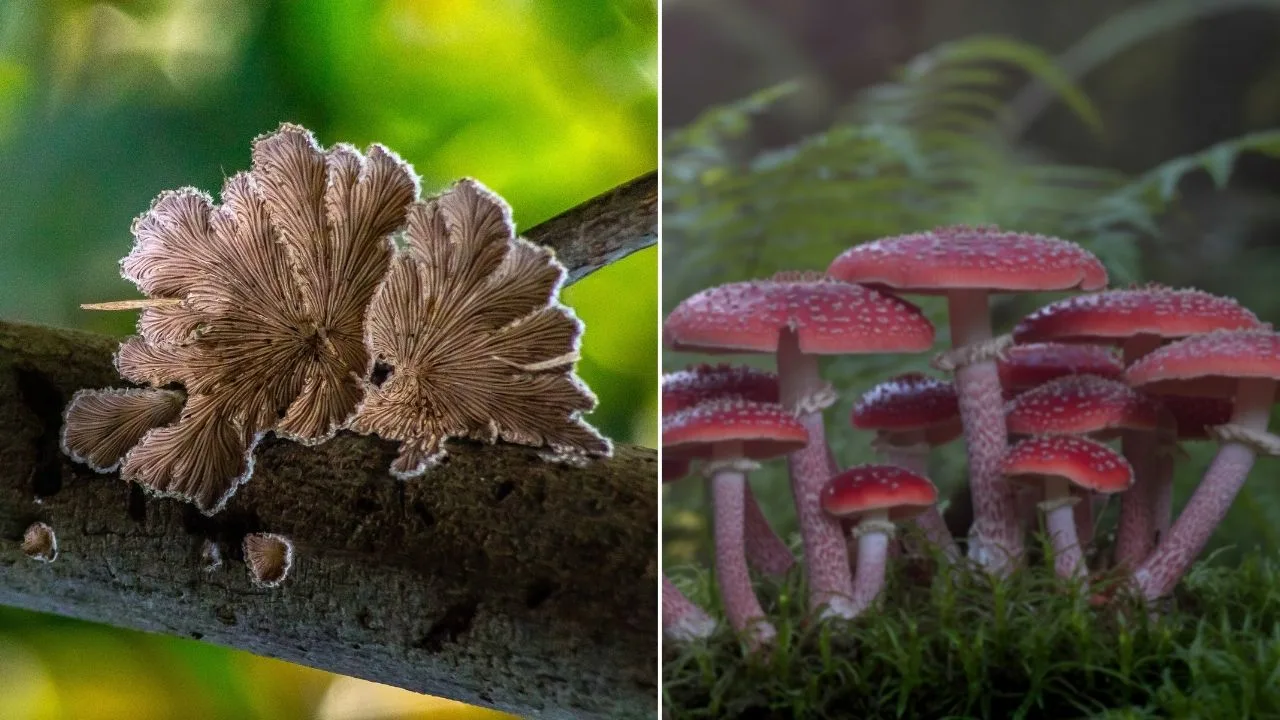
This sounds like science fiction, but it’s very real and very powerful. Mycorrhizal fungi are microscopic allies that live in the soil and latch onto plant roots. In return for a little sugar from the plant, they expand the root’s reach dramatically. More nutrients. More water. Better survival.
Sprinkle a pinch of mycorrhizal inoculant directly into the planting hole, right where the roots will go. You can find this in powder or granular form, often sold as “mycorrhizae” at garden centers or online.
This is especially helpful when planting perennials, shrubs, or trees. It’s like giving them a head start in a marathon. Once they connect with these fungi, they become part of a living underground network. The “wood wide web” isn’t just a myth.
🌿 Pro Tip
Don’t mix the inoculant throughout the hole. Place it in direct contact with the roots for best results. If you’re using bagged compost, make sure it hasn’t been pasteurized or sterilized, or it may kill the fungi before they get started.
2. Add Crushed Eggshells

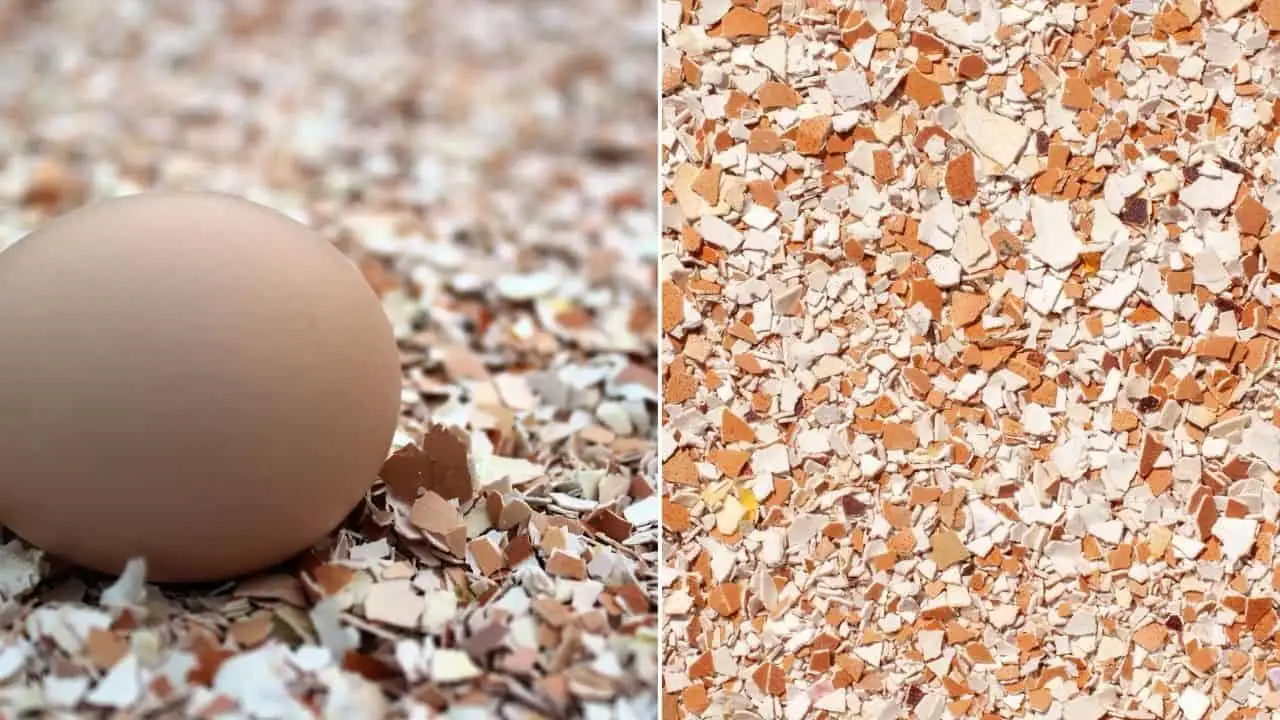
If your tomatoes ever suffered from blossom end rot, calcium was probably the missing piece. Crushed eggshells offer a slow, gentle release of calcium that benefits fruiting plants, especially tomatoes, peppers, and squash.
They won’t work overnight, but mixed into the planting hole, they’ll gradually break down and support root health over the long term. Plus, they help improve soil structure and discourage some soil-dwelling pests.
🥚 Bonus Tip
- Rinse and dry the shells before crushing to avoid odors.
- Crush to powder for faster results, or leave them coarser for slow-release benefits.
- Sprinkle extra around the base of the plant to deter slugs.
3. Add a Scoop of Bone Meal

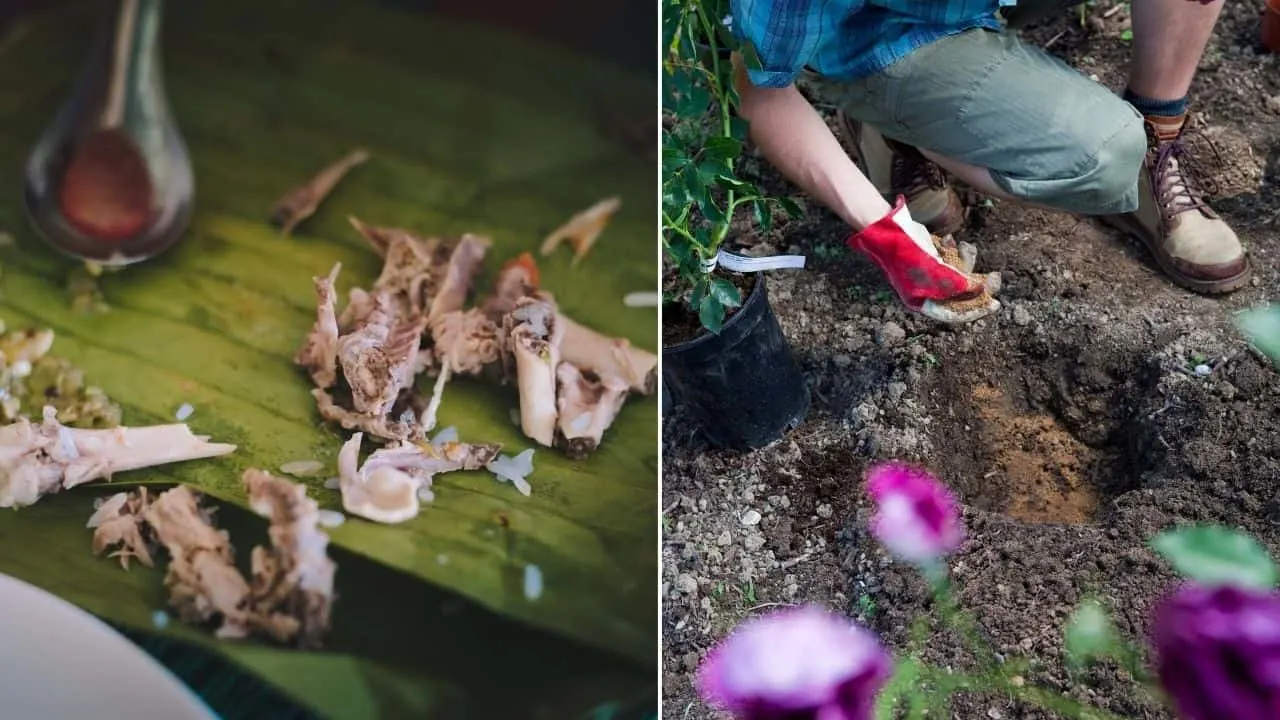
Bone meal is a powerhouse for root development. It’s made from finely ground animal bones and packed with phosphorus — the nutrient plants crave when they’re settling into new soil. If you’ve ever had seedlings sit there doing nothing for weeks, they were probably lacking this one key ingredient.
Mix a tablespoon or two into the bottom of the planting hole. For best results, water it in after transplanting. The slow-release nature of bone meal means it keeps feeding roots long after your other fertilizers have faded.
🦴 Why Bone Meal Works
- Promotes strong root growth in young transplants
- Improves flowering in perennials and vegetables
- Gentle and organic — won’t burn roots like synthetic fertilizers
4. Toss In Some Worm Castings
They may look like dirt, but worm castings are concentrated plant fuel. This is the gold-standard compost made by earthworms, and it’s loaded with beneficial microbes, enzymes, and nutrients that boost plant health from day one.
Sprinkle a handful directly into the hole before planting. It helps roots establish faster, boosts moisture retention, and makes nutrients more available to the plant. It also smells fine — which is more than you can say for a lot of other fertilizers.
🪱 What Makes Worm Castings Special
- Rich in microbial life that helps plants absorb nutrients
- Improves soil structure and moisture balance
- Safe for all plants — even delicate seedlings
5. Sprinkle In a Little Epsom Salt

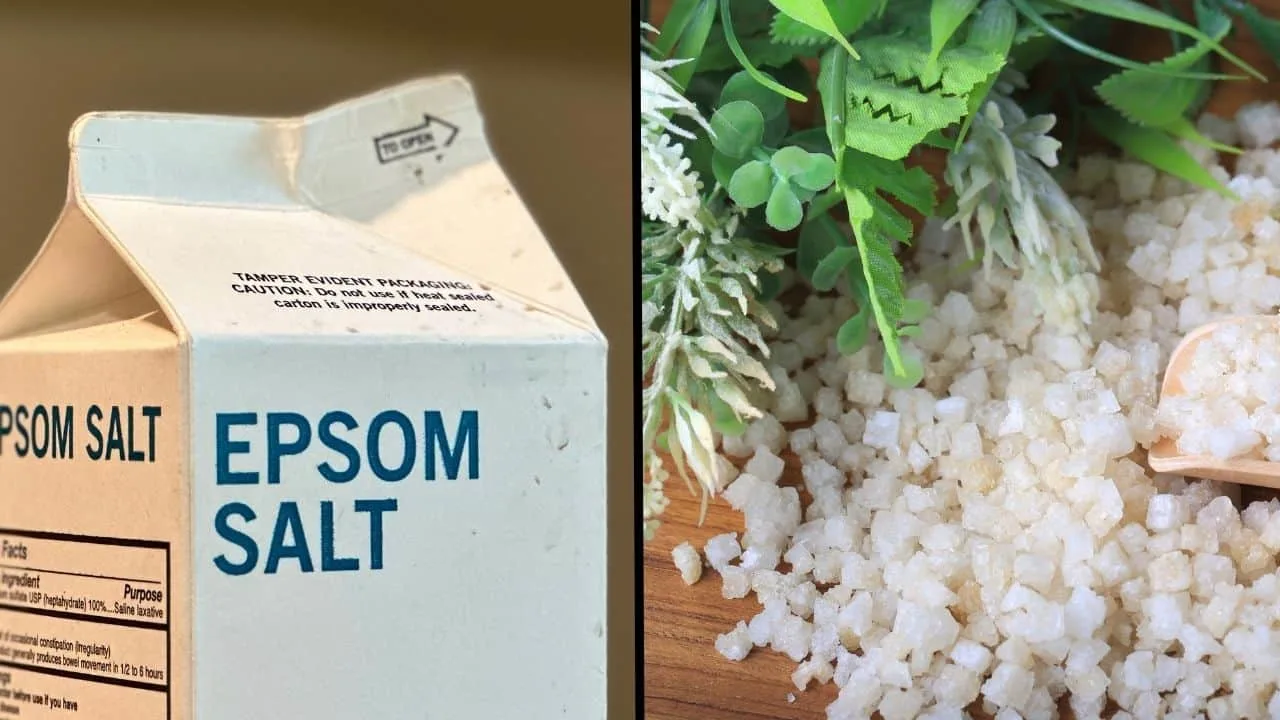
If your plants are turning yellow or looking a bit weak, magnesium might be the missing link. Epsom salt is magnesium sulfate, and just a pinch can give your transplants a stronger start. It helps with chlorophyll production, improves nutrient uptake, and can even prevent blossom end rot in tomatoes and peppers.
Don’t go wild. Too much can mess with the soil balance. But a teaspoon or two in the bottom of the planting hole can make a real difference, especially in magnesium-poor soils.
🧂 Quick Tip
Dissolve Epsom salt in water and give your seedlings a gentle magnesium boost after planting. A one-time drench is often enough for the whole season.
Daniel has been a plant enthusiast for over 20 years. He owns hundreds of houseplants and prepares for the chili growing seasons yearly with great anticipation. His favorite plants are plant species in the Araceae family, such as Monstera, Philodendron, and Anthurium. He also loves gardening and is growing hot peppers, tomatoes, and many more vegetables.