

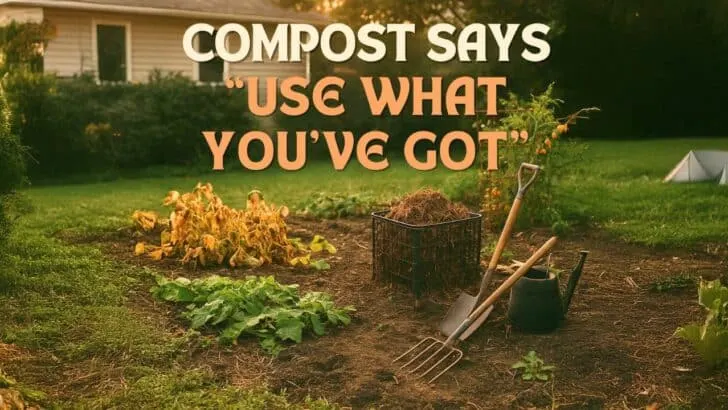
Your garden’s starting to look a little tired. The beans are tapped out. The basil’s gone woody. And the tomatoes? Still hanging on, but just barely. You could just let it go. Call it done. Let August be the slow fade into fall.
But compost says otherwise. Compost says, “Use what you’ve got.” All that garden mess piling up? That’s not waste. That’s fuel. It’s next year’s soil sitting there in disguise, waiting for someone smart enough to pile it up and make it work.
If your garden’s producing scraps, you’ve got the ingredients. All you need now is a spot to toss them, a bit of balance, and maybe a worm or two. Start now, and you’ll be ahead before the first leaf even falls.
🌿 Key Takeaways
- 🍂 Use late-summer waste like spent plants and fallen leaves to kickstart your compost.
- 🟫 Balance greens and browns to keep the pile healthy, hot, and smell-free.
- 💦 Keep compost moist like a wrung-out sponge, especially in hot August weather.
- 🔁 Turn it regularly to keep oxygen flowing and speed up the breakdown.
- 🌡️ Compost thermometers help you hit that microbial sweet spot between 130°F and 160°F.
- ✂️ Chop up big materials so they don’t sit there like stubborn logs.
- 🚫 Skip diseased or pest-ridden plants to avoid spreading problems later.
- 🪱 Worm bins are great for kitchen scraps if you’re short on outdoor space.
- 📍 Plan where the compost goes so it’s ready when fall planting or spring prep rolls around.
1. Collect Late-Season Green Waste

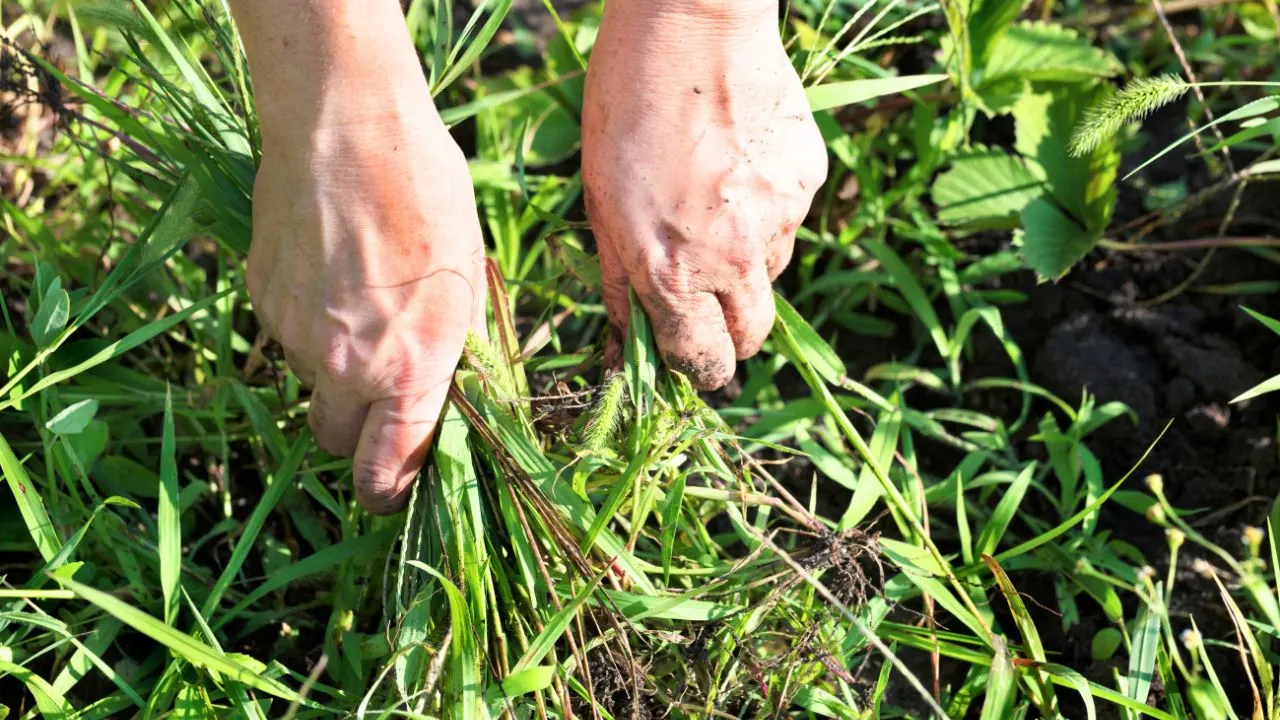
By August, your garden is probably handing you more green waste than you know what to do with. Don’t toss it. Spent veggie plants, basil that’s bolted, fading flower heads, soft stems, even the weeds you just yanked out — all of it can go straight into the compost. These count as “greens” in compost speak, meaning they’re rich in nitrogen and perfect for getting the pile cooking.
The trick is to catch them before they dry out. Once the material turns brown and brittle, you lose that nitrogen punch. Collect waste fresh and use it fast. If you’re clearing beds, compost as you go. No need to let it sit around in a wheelbarrow for three days.
🌿 Smart Green Waste to Add Now
- Spent annuals: Yank the ones that gave up in the heat
- Veggie trimmings: Outer lettuce leaves, tomato suckers, bolted herbs
- Soft garden weeds: As long as they haven’t gone to seed
- Cut flowers past their prime: Especially zinnias, cosmos, calendula
2. Balance Greens and Browns

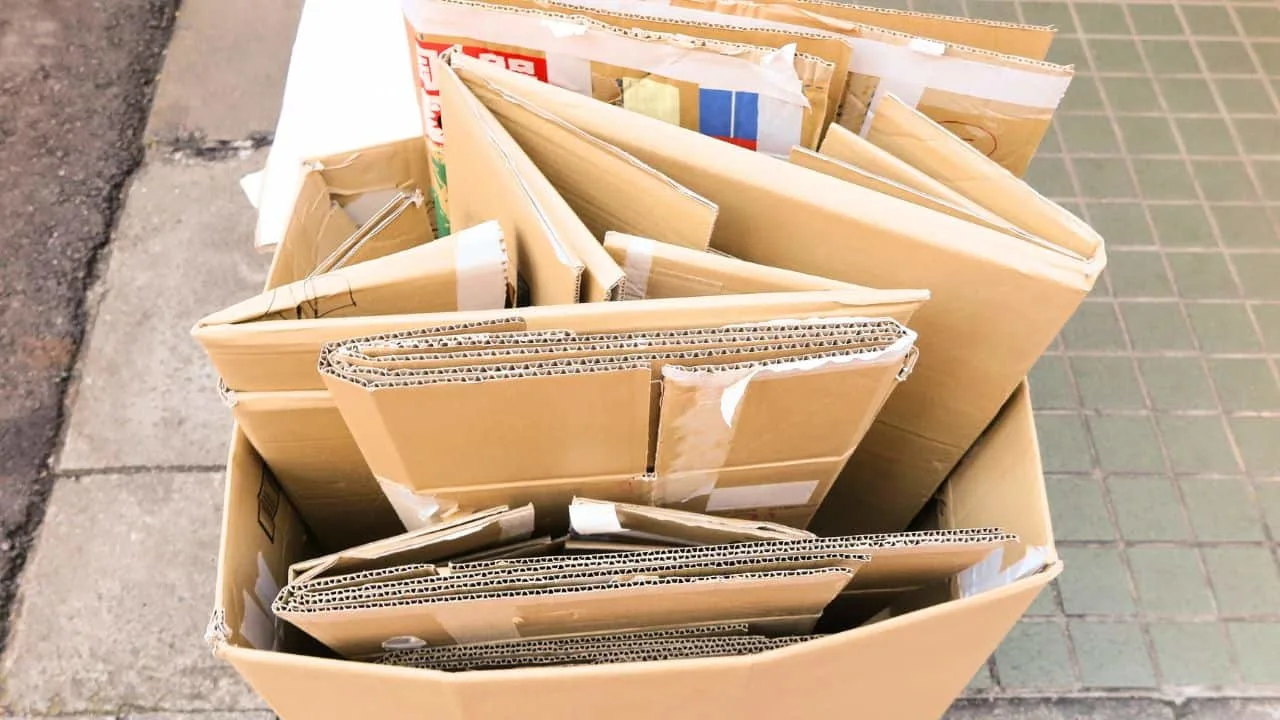
Compost needs balance. Too much green stuff and your pile turns into a soggy, smelly mess. Too much brown stuff and it just sits there, dry and stubborn. The sweet spot is a mix. A solid compost pile should have about two parts browns for every one part green. That means for every bucket of wilted lettuce or fresh trimmings you toss in, you need two buckets of straw, dried leaves, or shredded paper to match.
Don’t overthink it. You don’t need a measuring cup. Just eyeball the layers as you go. If it starts to smell like a forgotten salad, you need more browns. If it’s bone dry and doing nothing, you’re short on greens.
🍂 Handy Browns You Can Use Right Now
- Shredded newspaper: Avoid glossy or colored pages
- Dried leaves: If you have a stash from last fall, now’s the time
- Straw: Not hay, which usually comes with seeds
- Cardboard: Tear into small pieces, skip the tape and stickers
3. Keep the Pile Moist, Not Soaking

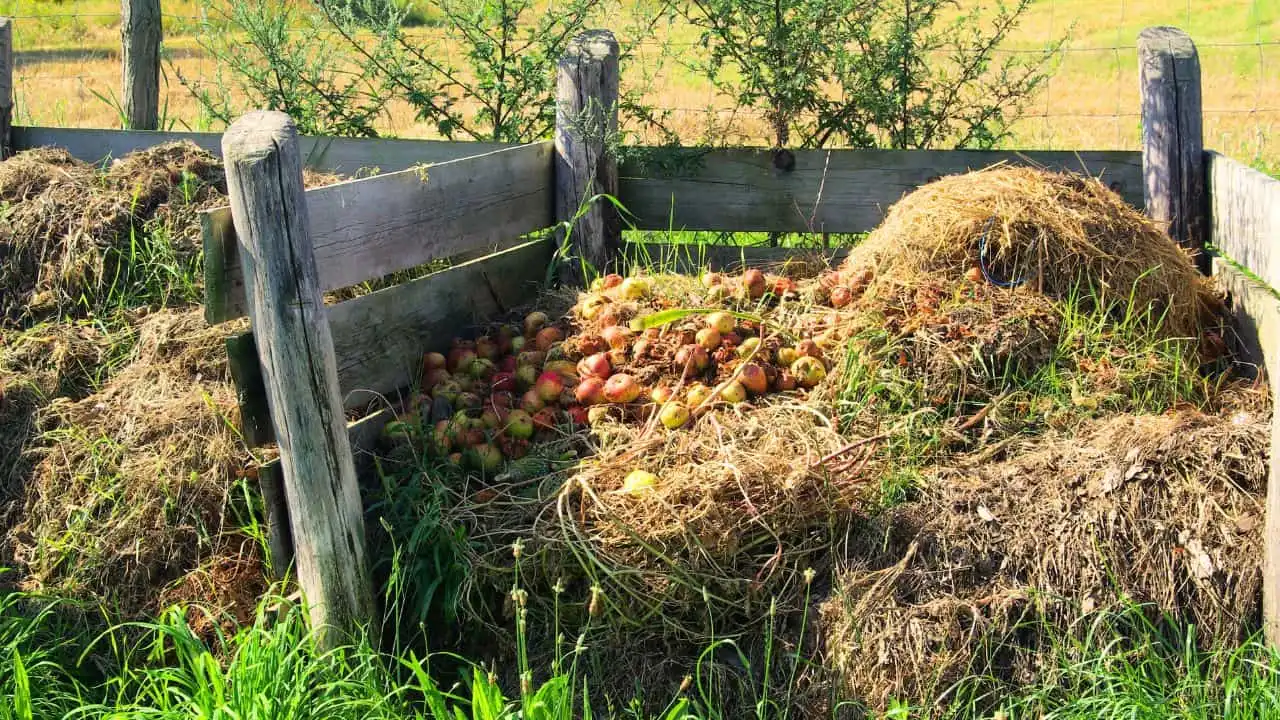
August heat is no joke, and your compost pile feels it too. If it dries out completely, the microbes stop working and the whole process slows to a crawl. But if you soak it like a sponge left in the tub, you’ll end up with a soggy, anaerobic mess. The goal is moisture that feels like a wrung-out sponge. Not dripping. Not dusty. Just damp enough to keep decomposition rolling.
If you’re not sure, grab a handful and squeeze. A drop or two of water means you’re on track. A dry crumble means it’s time to water. And if it sloshes? That pile needs more browns and some turning to bring back the air.
💧 Quick Tips to Keep Compost Moist
- Water with a hose on spray mode so you don’t flood the pile
- Layer in damp greens like fresh clippings or wilted veggies
- Cover with cardboard to shade from sun and trap moisture
- Use a tarp to protect from heavy rain or scorching days
4. Turn Regularly
Compost isn’t just a pile you leave in the corner and forget. It needs movement. Turning the pile keeps oxygen flowing and helps the microbes stay active. If your compost smells bad or seems to be sitting still for weeks, it’s probably starving for air.
The best time to turn it? Every one to two weeks. Use a pitchfork, a compost aerator, or just a shovel to mix the layers. Make sure you’re pulling the stuff from the center out to the sides and vice versa. You want everything to heat up evenly and decompose together.
🔁 Bonus Turning Tips
- Don’t overdo it — too much turning can cool the pile and slow things down
- If it smells like ammonia, add more browns and turn it immediately
- Watch for steam — that’s a sign of healthy microbial activity
- Use turning time to check moisture and break up any clumps
5. Use a Compost Thermometer

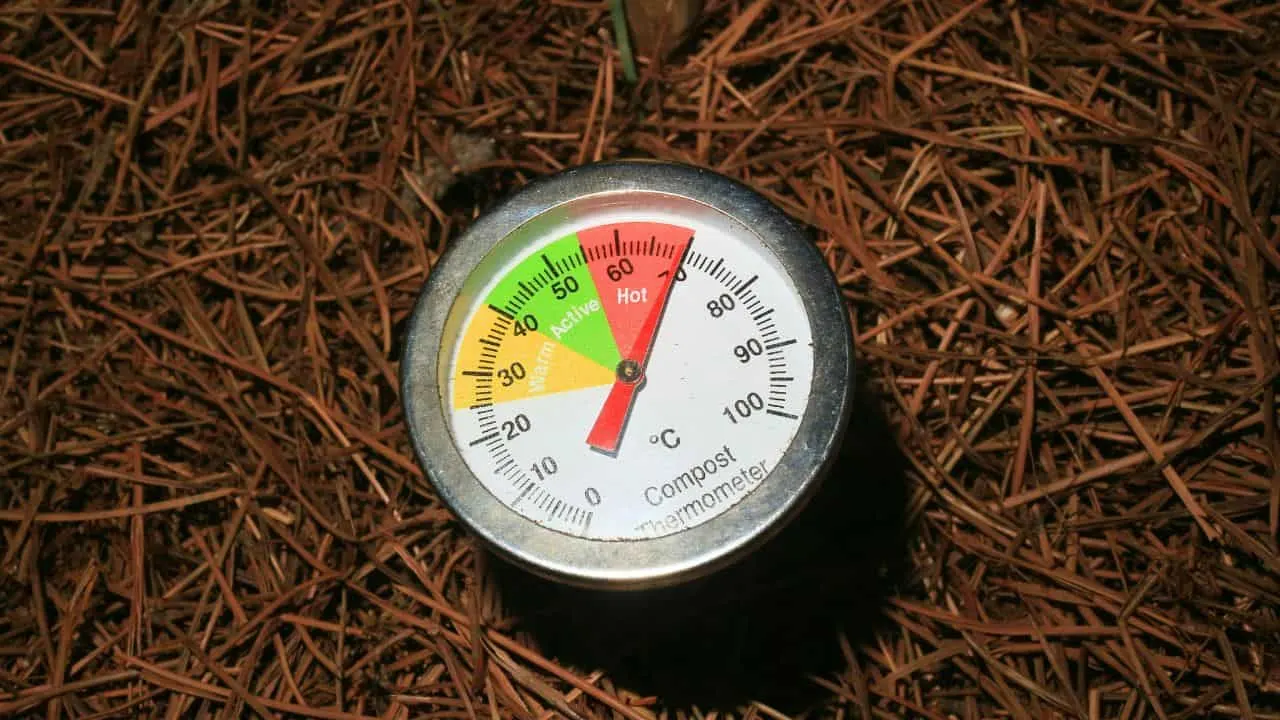
If you want to turn your compost from “meh” to magic, a compost thermometer is the tool you didn’t know you needed. Stick it right into the middle of the pile and it’ll tell you what’s really going on inside. A hot pile means the microbes are working hard. A cold pile means they’re taking a nap.
The ideal range is between 130°F and 160°F (54°C to 71°C). That’s hot enough to break things down quickly and kill off most seeds and pathogens, but not so hot that it shuts down microbial life. If your pile isn’t reaching that range, it’s usually a sign that it needs more greens, more water, or more turning.
🌡️ Quick Temperature Fixes
- Too cold? Add fresh grass clippings, kitchen scraps, or coffee grounds
- Too hot? Turn the pile to release heat and cool it slightly
- Stuck below 100°F? Check moisture levels and balance your greens and browns
- No thermometer? Stick your hand in. If it’s warm and steamy, you’re good
6. Chop Up Large Materials
Big chunks slow everything down. If you toss whole sunflower stalks or thick corn husks into your compost pile, you’re basically asking them to hang around for months. The microbes will eventually break them down, but they work faster when the material is smaller and easier to digest.
Before adding anything bulky, take a few seconds to chop it up. Use pruners, shears, or even stomp on dry stems to break them apart. This creates more surface area, which gives bacteria and fungi a head start. Your compost will heat up quicker and finish sooner.
✂️ Pro Tips for Faster Breakdown
- Shred paper and cardboard before adding. Whole sheets clump and slow decay
- Break woody twigs into thumb-length pieces or smaller
- Use your lawn mower to chop leaves quickly before piling them up
- Frozen kitchen scraps break down faster once thawed and added
7. Avoid Adding Diseased Plants

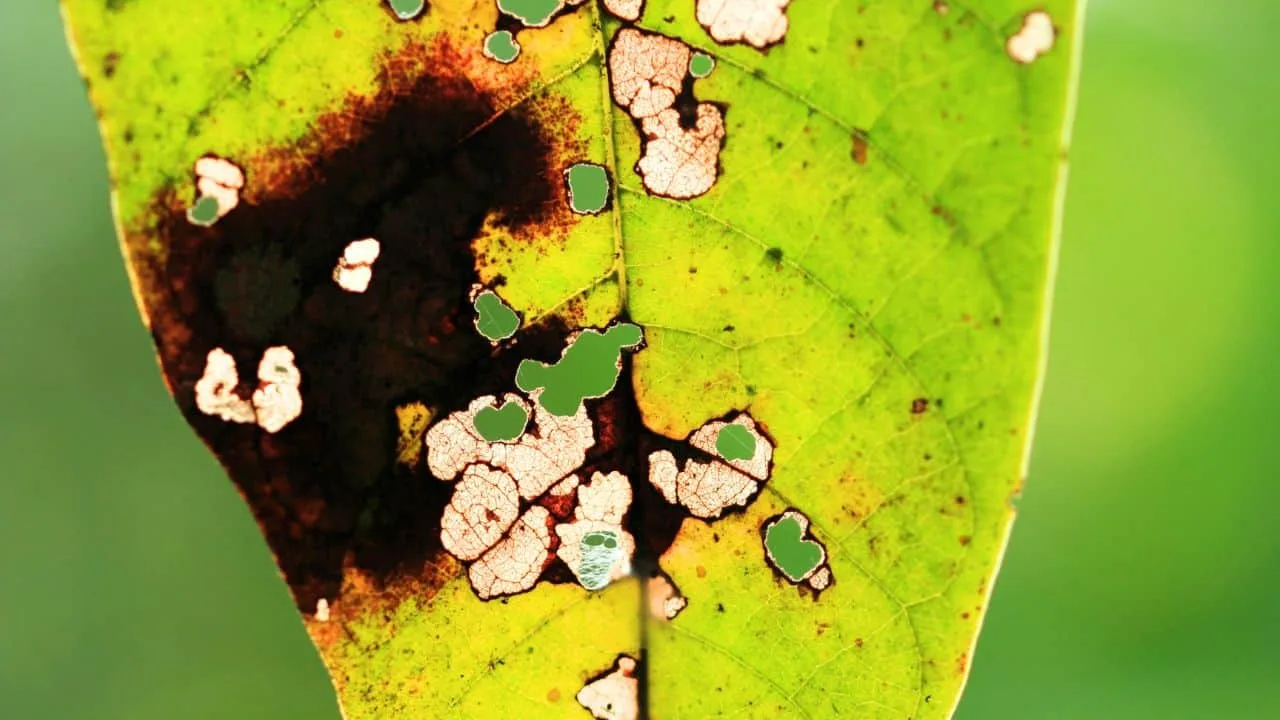
It’s tempting to toss everything into the compost, especially when you’re clearing out beds. But not all plant matter is safe to recycle. If you had tomato plants with blight, powdery mildew on your squash, or anything crawling with aphids, do not add it to your pile. Those diseases and pests can survive the composting process if it doesn’t get hot enough, and then they’re right back in your garden next year.
Instead, dispose of infected plants in the trash or, if allowed in your area, burn them safely. Your compost pile is for feeding your soil, not reinfecting it. When in doubt, leave it out.
🚫 Watch for These Red Flags
- Wilting with black stems usually signals fungal infection
- Sticky or shiny leaves can mean aphid residue (honeydew)
- White powder on leaves is a classic mildew sign
- Holes and chewed edges may hide larvae or eggs
8. Start a Vermicompost Bin
If you’ve got kitchen scraps and a bit of space, it’s time to let worms do some of the work. Vermicomposting is a low-maintenance, high-reward way to turn food waste into black gold. The worms eat your scraps and turn them into castings, which are packed with nutrients and beneficial microbes your plants will love.
You don’t need a fancy setup. A plastic bin with holes, some shredded paper bedding, and a starter batch of red wigglers will do just fine. Keep the bin moist and feed it weekly. No turning. No stink. And no hauling scraps to the outdoor pile every time you peel a carrot.
🪱 Why Worm Castings Are Worth It
- They contain more nutrients per gram than regular compost
- They improve soil structure and help with moisture retention
- They reduce transplant shock when added near new roots
- They won’t burn plants, even if you go heavy on them
9. Plan Your Compost Use
Most people think about compost only when they need it. But smart gardeners think ahead. If you’re building a pile now, where will it go once it’s ready? Raised beds? Potted plants? That bare patch of soil that’s been begging for love all season?
August is a great time to start prepping the spots where compost will shine. Mix some into fall planting holes. Top off containers that have sunk down. Or set aside a batch for spring seed-starting mixes. A little planning now means your hard-earned compost won’t just sit in a heap. It’ll hit the ground running.
📍 Where to Use It First
- Top-dress garden beds before a fall crop or cover crop goes in
- Mix into potting soil for overwintered containers or bulbs
- Use around perennials to boost next season’s growth
- Fill new raised beds while the weather is still workable
♻️ Compost Now, Brag Later
You could wait until fall to start thinking about compost. Or you could set up a pile now that’s already half-finished by the time the leaves drop. It’s not glamorous work. It’s not pretty. But it’s the kind of thing that makes next season way easier.
Use what you’ve got. Chop it small. Keep it damp. Turn it when you remember. That’s it. You’re building next year’s soil in the background while everyone else is just trying to stay cool.
And when you dump that dark, crumbly gold into your spring beds? That’s when the bragging starts.


Daniel has been a plant enthusiast for over 20 years. He owns hundreds of houseplants and prepares for the chili growing seasons yearly with great anticipation. His favorite plants are plant species in the Araceae family, such as Monstera, Philodendron, and Anthurium. He also loves gardening and is growing hot peppers, tomatoes, and many more vegetables.