

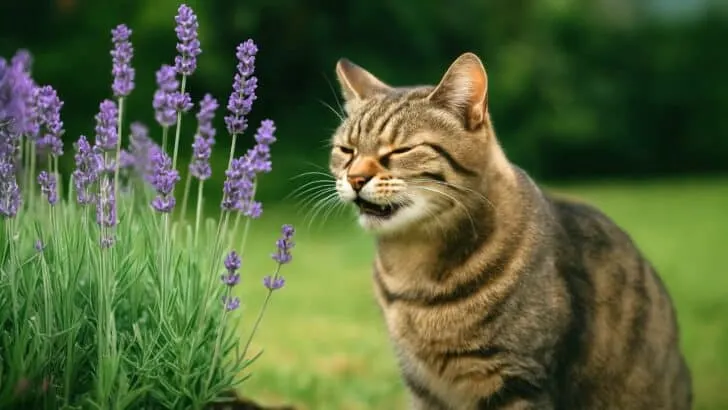
You plant a tidy row of seedlings, step back to admire your work, and promise yourself you’ll actually keep up with watering this time. Then a cat shows up, circles three times, and parks itself in your kale like it pays rent.
Some plants attract cats like magnets. Others send them running. The trick is knowing which is which before you find paw prints in your onions and catnip sprouting in your lettuce.
This guide breaks down what cats love, what they avoid, and the low-effort tricks that keep your garden from becoming their personal spa. No yelling. No sprays. Just smarter planting.
🌿 Key Takeaways
- 🐱 Catnip, valerian, and cat thyme trigger euphoric responses in many cats
- 💩 Fresh soil attracts cats as a litter box — protect it with forks, wire, or groundcover
- 🌸 Lavender, rue, and coleus canina naturally repel most cats with strong scents
- 🍊 Citrus peels and diluted vinegar offer safe, scent-based deterrents
- 🍴 Plastic forks prong-up can stop digging without harming the soil or plants
- 🌼 A small patch of catnip in the corner can distract them from everything else
The Science Behind Cat-Attracting Plants


To you, it’s a herb garden. To your cat, it’s a rave. Certain plants flip a biological switch that cats cannot resist. It’s not learned behavior. It’s chemical warfare. One sniff and they’re rolling, chewing, drooling, or just zonked out in the middle of your thyme patch.
Let’s start with the classic. Catnip (Nepeta cataria) contains a compound called nepetalactone that triggers a euphoric response in up to 70 percent of cats. Some get playful. Some go feral. Some just lie there like they’ve seen God. The reaction lasts about 10 minutes, then resets after a cooldown period. It’s completely harmless. But your seedlings might not be.
Valerian root does something similar. While it calms humans, it energizes cats. They sniff the root, go wild, then eventually crash harder than you after Thanksgiving dinner.
Cat thyme (Teucrium marum) smells like socks soaked in oregano and gasoline. Cats love it. Humans, not so much. It’s a great substitute if your cat doesn’t react to catnip.
Then there’s the wildcard group: lemongrass and mint. Some cats are obsessed. Others couldn’t care less. If your cat suddenly starts sleeping in your mint patch, now you know why.
🌿 Cat-Attracting All-Stars
- 🌿 Catnip: triggers euphoria and play behavior
- 🌱 Valerian root: excites cats, calms people
- 🧄 Cat thyme: weird smell, strong feline reaction
- 🌾 Lemongrass & mint: hit-or-miss but often irresistible
Plants Cats Use as Litter Boxes (and How to Stop That)
Freshly turned soil is like a luxury bathroom to a cat. It’s soft, clean, and full of privacy shrubs. Raised beds are even better. Elevated, dry, and perfectly groomed. You may have planted carrots, but to a cat, it’s a high-end powder room with bonus mulch.
The trick is to make your beds look uninviting without harming anything. You don’t need to chase cats out with sprays or traps. Just change the layout so they think twice before hopping in.
Bamboo skewers stuck into the soil every few inches make a pokey minefield. Cats hate weaving through obstacles. It messes with their landing math. Chicken wire laid flat under mulch keeps them from digging at all. You can even plant right through it.
Another quiet winner? Dense groundcovers like thyme, creeping Jenny, or woolly yarrow. Once established, they act like a living carpet and leave no space for cat business.
🧼 Cat-Proofing the Soil
- 🥢 Place bamboo skewers every few inches to block digging
- 🐔 Lay chicken wire under mulch for invisible protection
- 🌿 Use groundcovers to fill exposed soil and reduce interest
- 📦 Avoid leaving open containers of fresh potting soil unattended
- 🚫 Don’t use citrus sprays directly on beds with edibles
Plants Cats Avoid (Plant These Strategically)

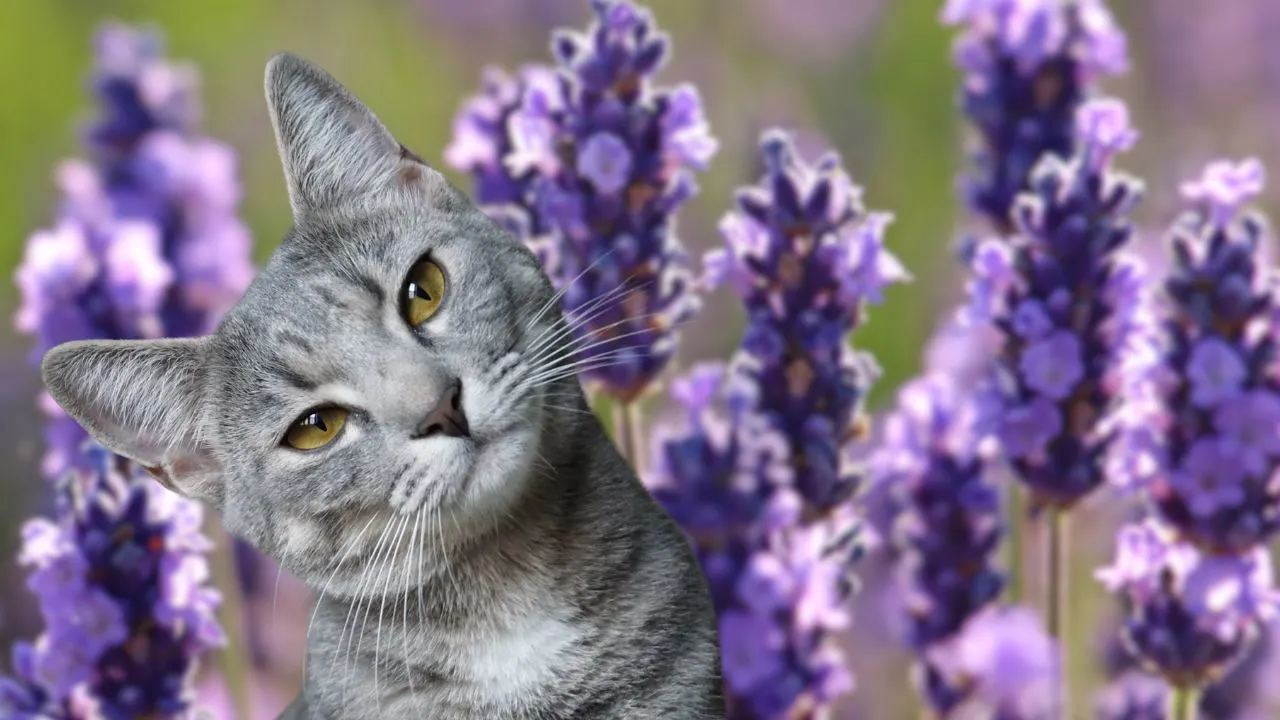
Not all plants are cat magnets. Some are straight-up turnoffs. Sharp textures, strong smells, or mild toxicity send most felines packing. And if you plant these in the right places, you can guide their paws away from your prized garden beds without saying a word.
Coleus canina, also known as the “Scaredy Cat” plant, smells like skunk mixed with wet dog. It’s not pleasant for humans either, but planted at the edge of a bed, it can create a natural barrier. Cats usually sniff it once and walk away offended.
Rue (Ruta graveolens) gives off a bitter, medicinal scent that cats dislike. It’s slightly toxic, so don’t let them chew on it, but it works well as a visual and scent-based repellent when grown near plants you want to protect.
Lavender, rosemary, and geraniums offer triple-duty: beautiful blooms, pollinator appeal, and feline avoidance. The scent is too strong for most cats, and the leaves are a little too rough for lounging.
If you’re working with containers or raised beds, consider adding pine cones or crushed eggshells around the soil. They make walking uncomfortable and digging unappealing. It’s not mean. It’s just strategic discomfort.
🙀 Plants Cats Steer Clear Of
- 🪻 Coleus canina: strong smell, strong reaction
- 🍃 Rue: bitter scent, mild toxicity deters cats
- 🌸 Lavender, rosemary, geraniums: too intense to nap near
- 🪨 Pine cones and crushed eggshells: unpleasant textures underfoot
- 🪴 Use these around garden edges to keep cats from jumping in
Safe Deterrents That Actually Work
You don’t need motion-activated sprinklers or ultrasonic gadgets that cost more than your entire raised bed. Keeping cats out of your garden can be simple, gentle, and surprisingly cheap. The best part? These tricks work without harming plants, pets, or your sense of peace.
Start with scent. Cats hate the smell of citrus. Instead of buying sprays, just toss some orange or lemon peels around the base of the plants you want to protect. Replace them every few days as they dry out. Bonus: it smells great to you.
Diluted vinegar is another winner. Mix one part white vinegar with three parts water and spray it along garden borders or fences. Never spray it directly on your plants — just the areas you want cats to avoid.
For fresh seedling beds, nothing beats the classic plastic fork trick. Stick forks prong-up into the soil every few inches. It looks ridiculous. But it works. The awkward terrain makes it uncomfortable for cats to step or dig, and most will move on to a less spiky nap spot.
These methods aren’t about punishment. They’re about creating a garden that cats respect without fear or force. Which is more than most people can say about their houseplants.
🐾 Cat-Safe, Garden-Approved Tricks
- 🍊 Scatter citrus peels around target plants
- 🥤 Spray diluted vinegar on garden borders only
- 🍴 Use plastic forks prong-up to guard seedling beds
- 🌀 Combine scent and texture for best results
- 🌼 Keep methods pet-friendly and non-toxic
Your Garden, Your Rules (Even With Cats Around)

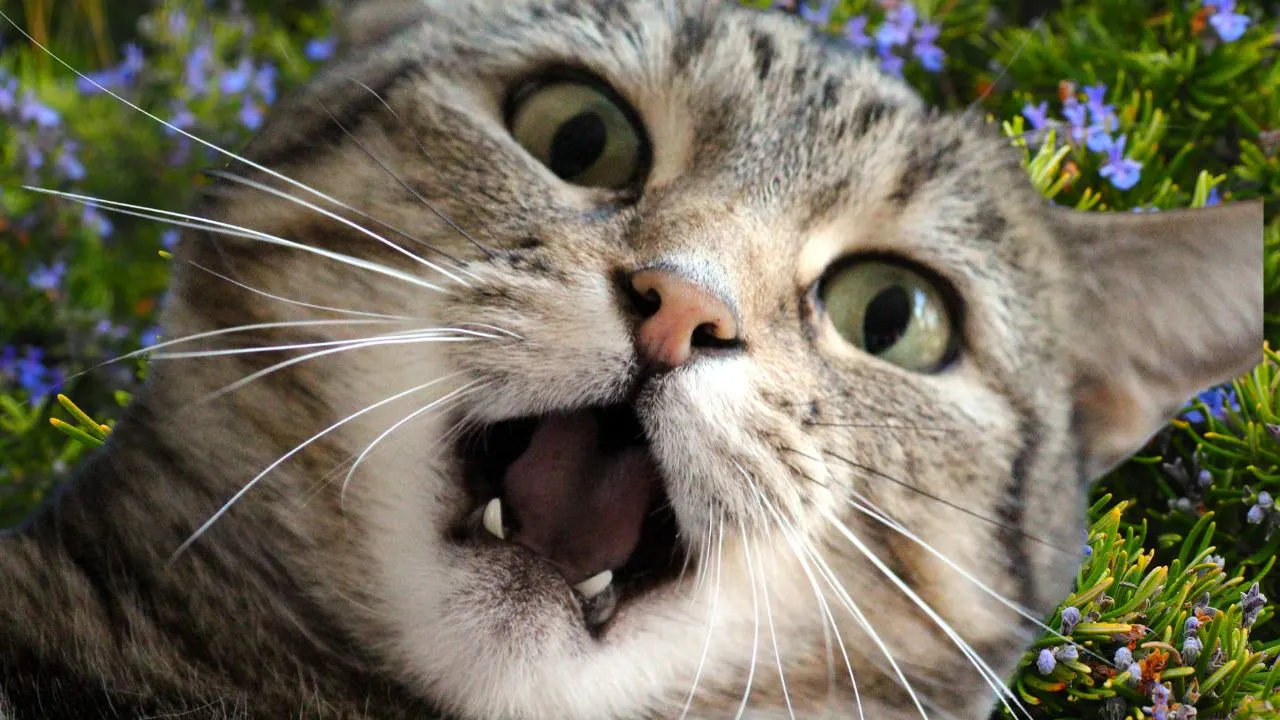
Cats are clever. They’ll sniff out every soft patch of soil, every sun-warmed brick, and every plant you wish they’d ignore. But they’re not impossible. With a little strategy, you can give them a clear message: this garden is not your sandbox.
Whether you’re dealing with your own curious kitty or a neighbor’s roaming troublemaker, the right plants and a few cheap deterrents can turn your garden into a cat-resistant zone without turning it into a battlefield. No shouting. No chasing. Just clever layout, smart plant choices, and a couple forks sticking out of the soil like tiny plastic guards on patrol.
And if all else fails? Give them a designated patch of catnip in the corner. Keep them entertained, and the rest of your garden might just stay untouched. For once.
🌿 Final Tips
- 🐱 Know which plants attract cats and which ones repel them
- 🛡️ Block digging with forks, wire, or dense groundcovers
- 🍋 Use safe scents like citrus or vinegar to redirect behavior
- 🌼 Turn problem areas into protected zones with strategic planting
- 📣 Ask readers to share their favorite “cat-proof” garden tricks


Daniel has been a plant enthusiast for over 20 years. He owns hundreds of houseplants and prepares for the chili growing seasons yearly with great anticipation. His favorite plants are plant species in the Araceae family, such as Monstera, Philodendron, and Anthurium. He also loves gardening and is growing hot peppers, tomatoes, and many more vegetables.