

Every gardener has that one crop they cannot let go of, even when the season is clearly changing. The vines look tired, the leaves are spotted, but we keep watering and hoping. September has its own rules though, and not every plant is built for them.
Some crops that thrived in the hot days of July start to sulk the moment nights turn cooler and daylight shrinks. Others invite every pest in the neighborhood once late summer stress sets in. If you know which plants are about to quit, you can stop wasting energy on them and shift your focus to the ones that actually love this time of year.
Here are 9 plants that simply do not like September weather and what you should do instead. Some of these may surprise you.
1. Basil

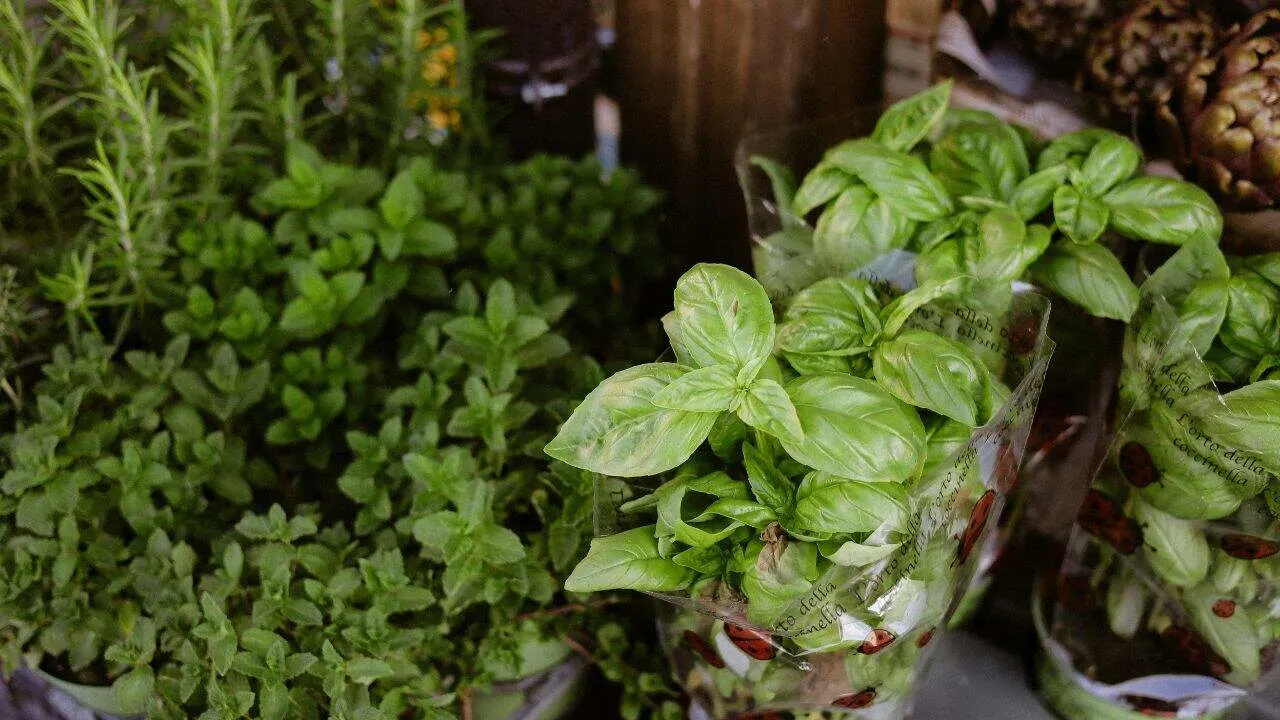
Basil is the poster child for summer herbs. It thrives in heat, basks in long days, and throws out lush leaves as if it will never stop. But come September, cooler nights creep in and basil shows its weakness fast. Leaves turn black from cold stress, plants bolt to seed, and that sweet, fragrant flavor shifts to bitter in no time.
If you want to enjoy basil at its best, harvest it heavy now. Cut stems above leaf nodes, make pesto, dry it, or freeze it in ice cube trays with olive oil. Once nights dip into the 50s, basil plants collapse almost overnight — and no amount of care will bring them back.
- Zones 3–6: Basil is on borrowed time. Expect plants to blacken with the first cool snap. Harvest everything now.
- Zones 7–8: You might squeeze another few weeks, but bolting and flavor decline are already underway. Keep cutting stems to delay seed set.
- Zones 9–10: Basil can linger into early fall, but heavy rains and pests become bigger issues than cold. Still, harvest aggressively before cooler nights arrive.
2. Cucumbers

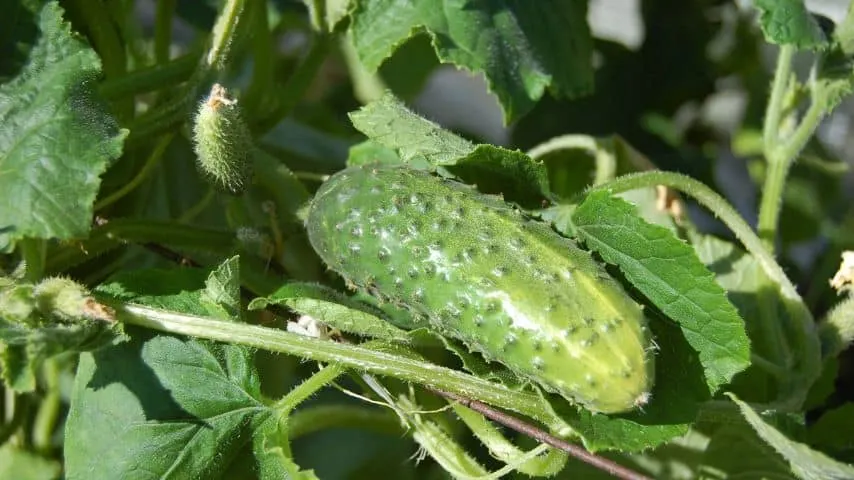
Cucumbers are the classic late-summer burnout. By September, vines that once ran wild across the garden start looking ragged. Powdery mildew creeps in, cucumber beetles chew holes, and fruits shrink down to spiny, bitter little nubs. Even the healthiest vines lose steam as day length shortens and nights cool down.
At this stage, the best move is often to pull tired vines and free up space for fall greens or root crops. Letting them linger just invites pests and diseases that will overwinter in your soil and cause headaches next year.
- Zones 3–6: September cucumbers are usually done. Mildew and cold nights shut them down quickly — clear the vines and replant with spinach or radishes.
- Zones 7–8: A short late flush is possible, but pests peak now. If vines are declining, it is smarter to sow fall greens instead of nursing stragglers.
- Zones 9–10: Cucumbers can still produce into early fall if mildew is managed, but quality drops fast in humid weather. Consider starting fresh plants for a fall crop if your season allows.
3. Tomatoes (Late-Planted)

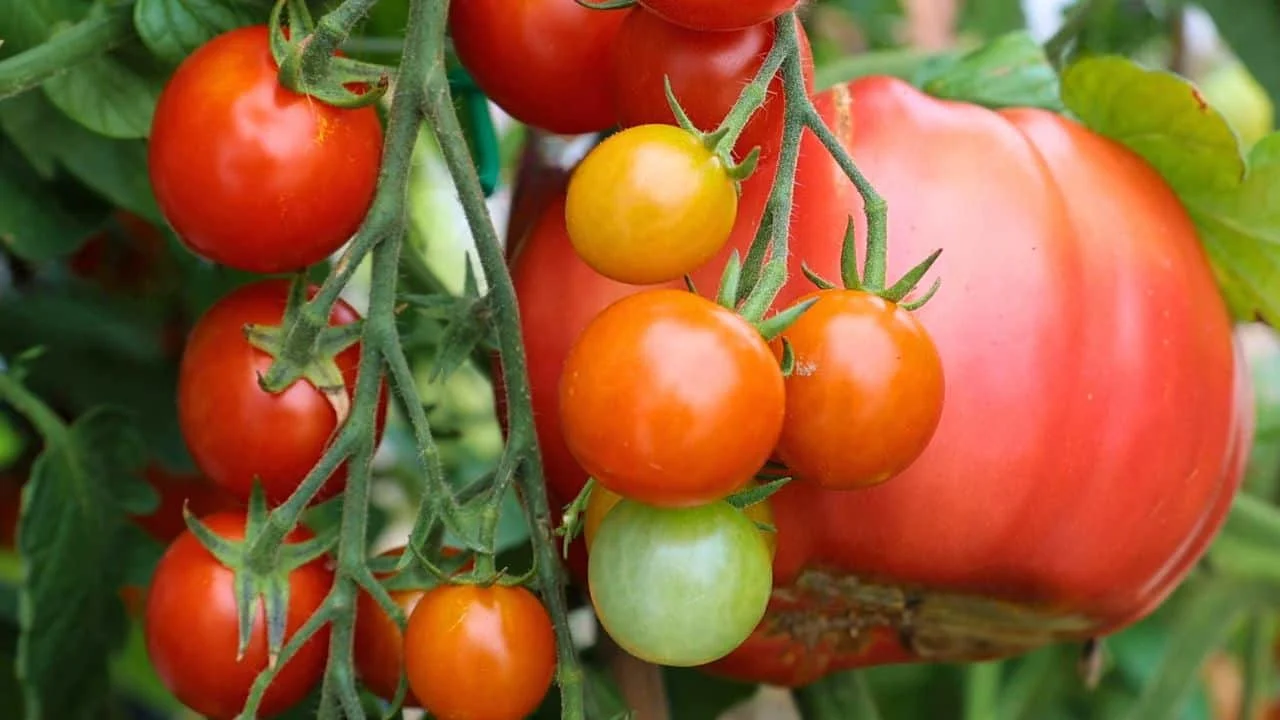
Tomatoes are slow giants that need weeks of warm days to go from blossom to ripe fruit. By September, most zones simply do not have the heat or time left for late plantings to succeed. Nights cool down, ripening slows, and new transplants just sit there sulking. Even if they bloom, the odds of fruit maturing before frost are slim in most of the country.
If you already have mature plants, your best bet is to focus on ripening what is on the vine. That means pruning off excess flowers, pinching new growth, and letting the plant put all of its energy into the fruits already hanging. Trying to start new seedlings now wastes time, bed space, and energy.
- Zones 3–6: Far too late. Focus entirely on ripening what is already growing. Harvest green fruits before frost and let them ripen indoors.
- Zones 7–8: Borderline. You may get a handful of fruit if plants are already flowering, but new transplants are a no-go.
- Zones 9–10: Still possible for fall tomatoes if you transplant right away, but focus on quick-maturing varieties (cherry tomatoes or determinate types).
4. Zucchini and Summer Squash

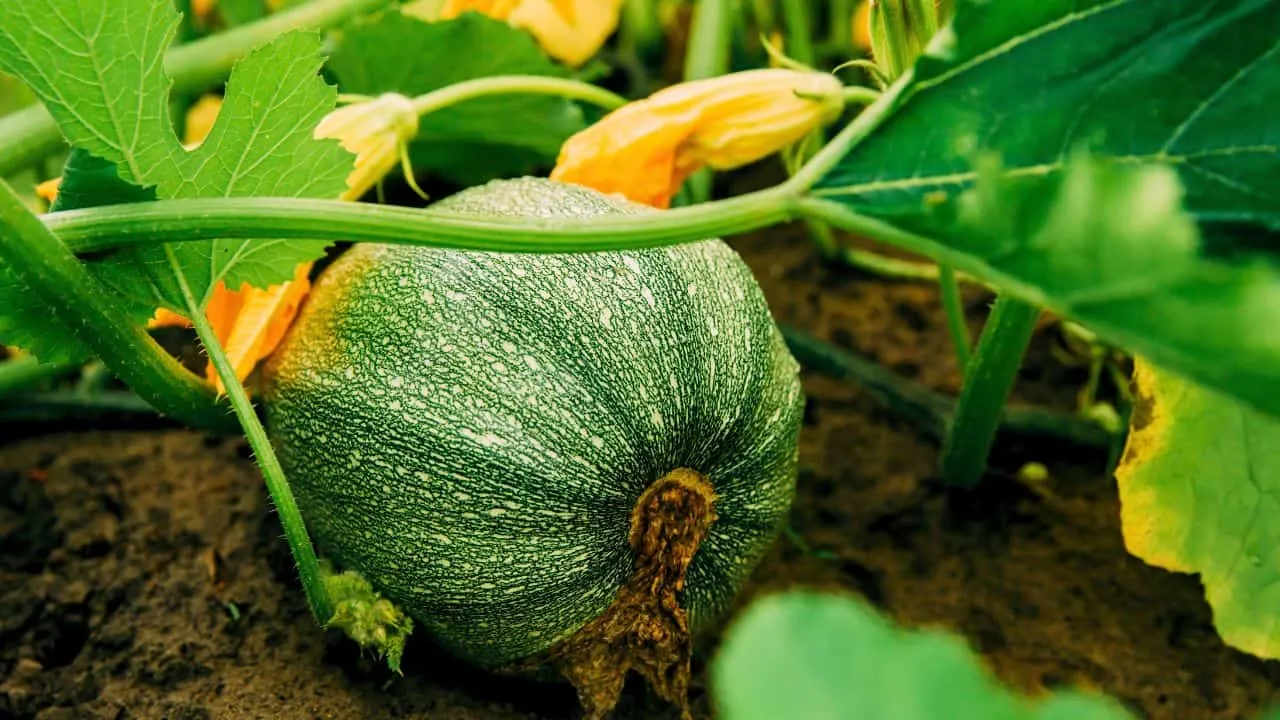
Zucchini may be famous for overwhelming gardeners in July, but by September these plants are running out of steam. Late plantings rarely pay off — the vines grow woody, leaves yellow, and pests like squash bugs and vine borers pile on. Even fruits that form often turn seedy or lose their tender texture. Waiting too long to harvest only makes them tougher and less appetizing.
The smarter play now is to pick any remaining squash while they are still small and flavorful, then pull the plants before pests spread further. This clears valuable space for cool-season crops that actually thrive in fall conditions, like spinach, kale, or radishes.
- Zones 3–6: Season is done. Harvest small fruits and yank vines to prevent pest buildup.
- Zones 7–8: Plants may limp along, but new sowings will not make it. Clear beds and replant with fall greens.
- Zones 9–10: Possible to sneak in a very quick crop, but only if you plant immediately and pick fruits tiny. Otherwise, shift focus to fall veggies.
5. Dill and Cilantro
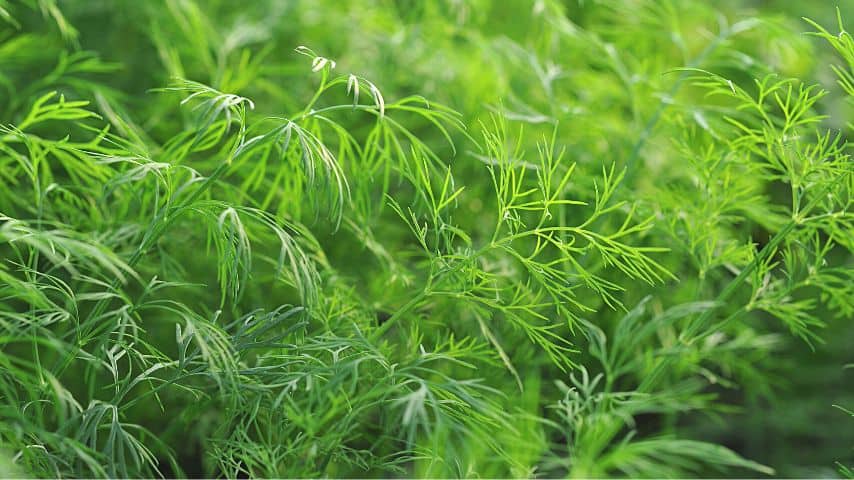
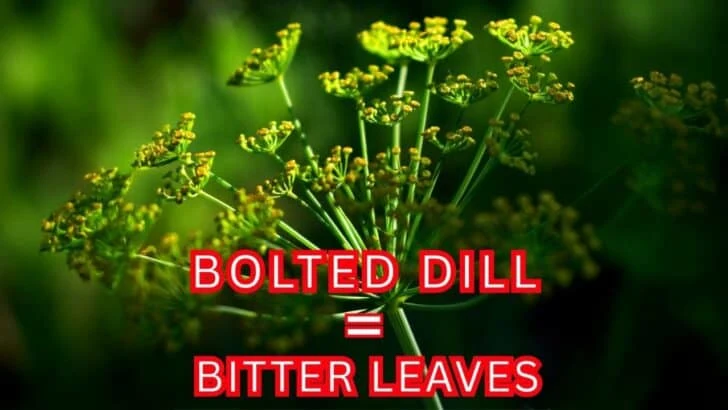
Dill and cilantro may feel like summer staples, but they have no patience for cooling nights. As soon as September evenings dip, both herbs send up flower stalks and bolt. Once that happens, leaves turn tough and bitter, leaving you with plants that are better for seed than the kitchen. Trying to start new plants this late almost always ends in disappointment unless you time it right for fall sowings.
Instead of wasting space on struggling herbs, harvest what you can now, dry or freeze for later use, and think ahead to fall sowings. Cilantro especially thrives in cooler weather once autumn settles in, giving you a fresh supply long after basil and dill have faded.
- Zones 3–6: Plants are finished once bolting starts. Replant cilantro in mid to late September for a fall harvest.
- Zones 7–8: Cilantro thrives in cooler fall weather. Sow now for fresh greens by October.
- Zones 9–10: Wait until late September or October to replant. Cooler nights will bring cilantro back strong.
6. Corn


If you were thinking of sowing corn in September, hit pause. Corn is a crop that demands a long, uninterrupted stretch of heat to mature. By late August and September, most zones simply do not have enough warm days left for new plantings to reach harvest. The result would be stunted stalks that never tassel properly and ears that stay half-filled. It is one of the most common late-season mistakes.
Your best move is to enjoy the last ears from existing stands and then pivot your space toward fast cool-season crops. Root vegetables and leafy greens take over beautifully where corn once stood, and they will reward you long before any September-planted corn ever could.
- Zones 3–6: Absolutely too late for corn. Replace spent stalks with spinach, radishes, or turnips.
- Zones 7–8: Even here, the calendar is against you. Focus on fall brassicas instead.
- Zones 9–10: Some gardeners might squeeze in a last planting in very hot regions, but it is still risky. Fall peas or greens are a much better bet.
7. Beans (New Plantings)
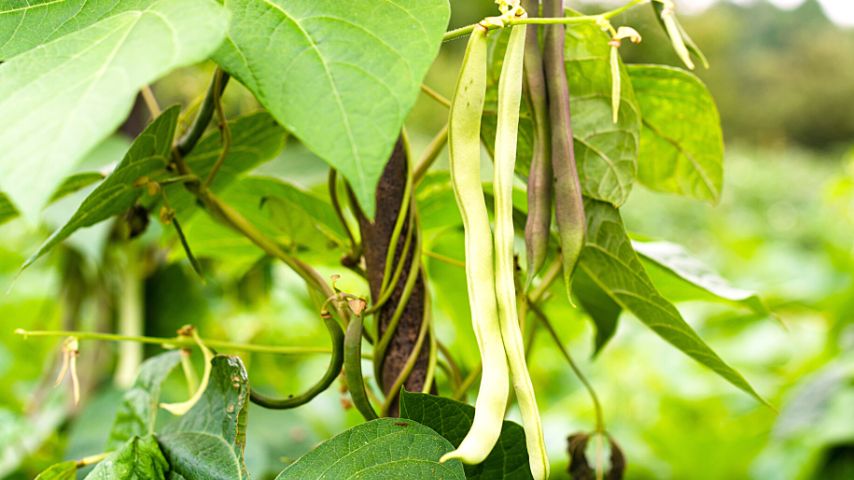
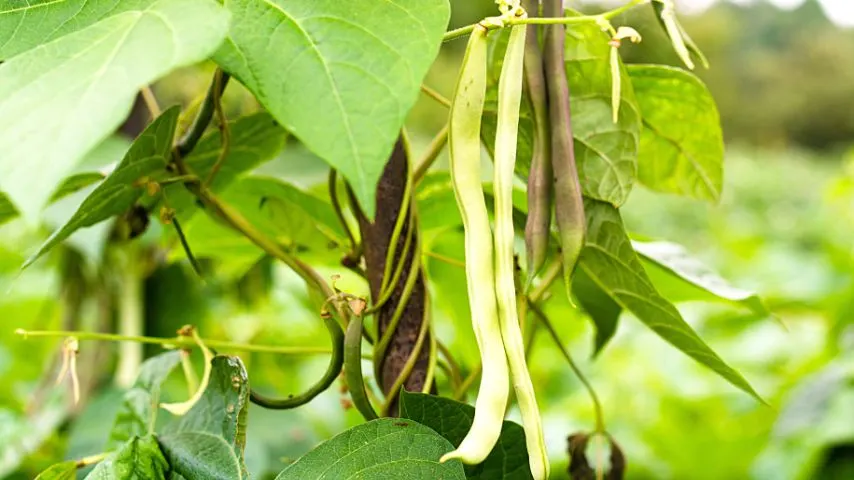
By the time September rolls around, new bean plantings are almost always a lost cause. Beans need steady warmth to flower and set pods, and most frost dates will cut them off long before they get there. Even quick varieties like bush beans usually need 50–60 days, which most gardeners simply do not have left. That is why late sowings turn into wasted seed and empty rows.
The smarter play is to baby the bean plants you already have. Established vines can still deliver a final flush of pods if you keep them picked clean. Each harvest signals the plant to keep producing, buying you a few more suppers’ worth of beans before frost shuts them down for good.
- Zones 3–6: Far too late to start beans. Focus on cool-weather greens and roots instead.
- Zones 7–8: Slim chance for a tiny bush bean crop if frost arrives very late, but not reliable. Save the space for fall crops.
- Zones 9–10: Warmer areas may sneak in a short fall harvest, but beans often struggle with pests and shorter daylight hours. Try greens or peas instead.
8. Eggplant

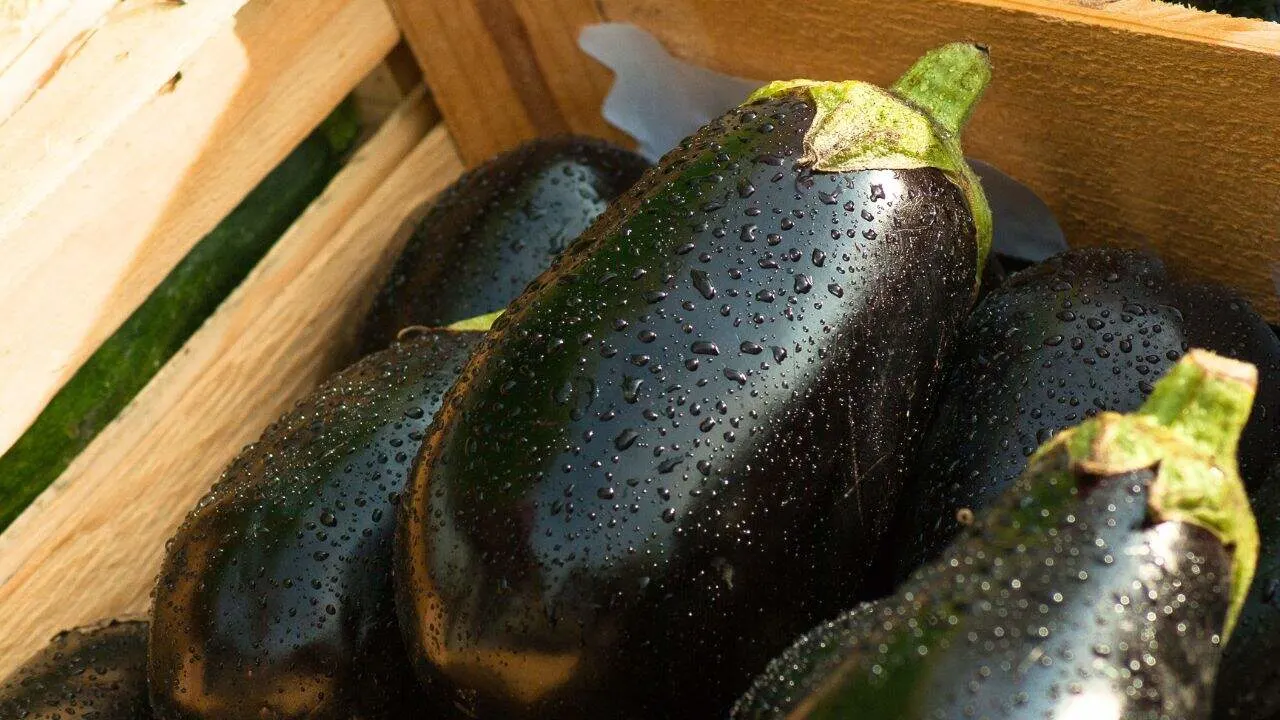
Eggplant loves heat. Once September nights dip below 60°F, these glossy beauties start sulking. Growth slows, flowers drop, and any fruits that do develop become seedy and lose their shine. In many gardens, eggplants in late August look tired, with tough stems and flea beetle scars showing the season’s wear.
The trick now is to harvest what you have while the skins are still glossy. Once the sheen fades, the fruit is past its prime. Do not wait for them to bulk up forever — smaller, shiny eggplants taste better and cook more evenly.
- Zones 3–6: Season is closing fast. Harvest everything now, even undersized fruits, before cool nights ruin them.
- Zones 7–8: Plants may keep limping along into September, but yields slow sharply. Prioritize picking young, glossy fruits.
- Zones 9–10: Still some runway for production, but pests and heat stress can cut harvests short. Watch for spider mites and keep soil evenly moist.
Why Pulling the Plug Now Pays Off
September is not about squeezing one last gasp out of every tired plant. It is about being smart with your space and setting yourself up for a stronger fall and spring. Basil that bolts, cucumbers riddled with mildew, or tomatoes planted too late are not doing you any favors. Clearing them out makes room for spinach, radishes, kale, and other crops that thrive in the cooler stretch ahead.
Think of it as trading dead weight for momentum. Every square foot you reclaim now can feed you again before frost. Every pest-ridden vine you compost today is one less source of trouble next year. Sometimes the best gardening move is not planting more, it is knowing when to stop and reset.
Your September garden is still full of potential — as long as you give the right crops the spotlight.
🌿 Key Takeaways
- 🌱 September is a pivot month, not the end of the season. Pulling tired crops gives your fall garden room to shine.
- 🥒 Basil, cucumbers, late tomatoes, and squash lose steam fast once nights cool. Focus energy on fresh fall greens and roots instead.
- 🌎 Zone matters: northern growers should be ruthless, southern growers may squeeze a bit more, but cooler nights will still win in the end.
- 💡 Clearing space now prevents pests, reduces disease spread, and sets up a healthier spring start.
Frequently Asked Questions
🌱 Can I still keep basil going into September?
Basil hates cool nights. In Zones 7 and colder it will blacken almost overnight once temps dip below 50°F. In warmer Zones 8–10 you might get a couple more weeks, but harvesting heavy now is the safest bet.
🥒 My cucumber vines still look green. Should I rip them out?
If they are producing well and free of mildew, you can keep them for a short while. But most vines in late August or September turn bitter and become bug magnets, so it’s often smarter to pull them and replant greens.
🍅 Is it worth planting new tomato seedlings now?
No, in most zones they won’t mature before frost. Instead, focus on ripening the fruits already on your existing plants. Only in very warm climates (Zones 9–11) could late seedlings still pay off.
🌽 Can I sneak in a late corn planting?
Not realistically. Corn needs a long stretch of heat, often 70–90 days. By September, even in warm zones, it is better to switch to quick root crops or leafy greens.
🌿 What’s the benefit of pulling crops early?
Clearing tired plants frees up space for fall crops, reduces pest buildup, and prevents diseases like mildew or blight from spreading into next season. It is one of the best prep moves for a healthier garden overall.
🍆 What about eggplants and peppers — should I pull them too?
Don’t plant new ones, but keep existing ones going as long as they’re producing. Harvest fruits while still glossy and keep plants protected as nights cool. In northern zones, plan to harvest all before frost.


Daniel has been a plant enthusiast for over 20 years. He owns hundreds of houseplants and prepares for the chili growing seasons yearly with great anticipation. His favorite plants are plant species in the Araceae family, such as Monstera, Philodendron, and Anthurium. He also loves gardening and is growing hot peppers, tomatoes, and many more vegetables.