

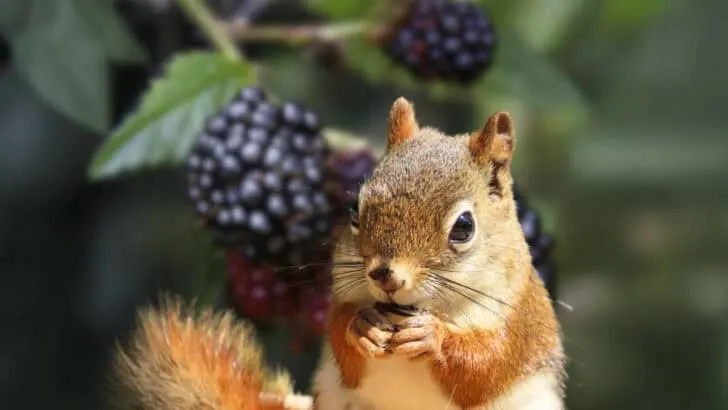
Squirrels treat fall gardens like an all you can eat buffet. Bulbs get yanked, tomatoes get taste tested, and pots turn into acorn storage units.
Everyone swears by a magic trick, but most fixes are hit or miss. You deserve tactics that actually work.
Here is the plan. We are ranking squirrel stoppers from the weakest at number 1 to the most powerful at number 10. By the end you will know exactly which methods are worth your time and which ones you can skip.
1. Shiny Objects and Pinwheels (Fun, but Squirrels Adapt Fast)
Gardeners love trying shiny tape, pinwheels, and aluminum foil to spook squirrels. At first, the glints of light and little twirls in the breeze might catch them off guard. The trouble is, squirrels are quick learners. Once they figure out that the shimmer is all show and no threat, they go right back to raiding bulbs and digging up beds. This trick is more of a novelty than a long-term solution.
If you want to test it, place reflective objects near plants you care about most. It may slow damage for a few days, but do not count on it to hold through peak squirrel season in fall.
- Works briefly, then squirrels adapt quickly.
- Cheap and easy to try, but not reliable.
- Better as a temporary distraction than a true defense.
2. Human Hair or Soap Shavings (Old-School Tricks)
Gardeners have sworn by tossing hair clippings or shaving bars of soap around their plants for generations. The idea is simple: the smell of people or strong fragrances makes squirrels nervous enough to stay away. In practice, though, these remedies rarely hold up. Rain washes the scent away, and determined squirrels often ignore it altogether once they realize there is no real danger.
These tricks can give a small boost if you are desperate and need a quick fix, but they are far from reliable. Think of them more as supplemental tactics rather than a main line of defense.
- Cheap or free, since you can use household scraps.
- Washes away easily in rain or with irrigation.
- Squirrels quickly adapt to the scent if food rewards are strong enough.
3. Predator Scents (Coyote or Fox Urine)
Some gardeners swear by predator urine, sold in garden stores as granules or sprays. The idea is simple: squirrels catch a whiff of what they think is a fox or coyote nearby and panic. At first, it can send them scurrying away from your yard. But squirrels are not easily fooled for long. Within a few days, they realize the predator never shows up, and they go right back to digging and chewing.
Predator scents are messy, need constant reapplication, and lose strength after rain. If you are curious, try them around bulbs or newly planted beds, but do not expect lasting protection.
- Can scare squirrels briefly, especially in new areas.
- Wears off fast and needs frequent reapplication.
- Better as a short-term deterrent than a season-long fix.
4. Motion-Activated Sprinklers (Scares Them, but Costly)
Few things make a squirrel jump higher than an unexpected jet of water. Motion-activated sprinklers use sensors to blast intruders the moment they step into range. At first, these gadgets feel like magic: squirrels scatter, birds flap away, and you get a moment of victory.
The problem is persistence. Once squirrels realize the spray is annoying but not dangerous, some return undeterred. Others simply learn to avoid the sprinkler zone and dig elsewhere in your yard.
They also come with a price tag and can be a hassle to move around. Still, they provide more consistent deterrence than scents or shiny objects, especially if you rotate placement often.
- Startles squirrels and interrupts feeding routines.
- Requires batteries or hose connections to keep running.
- Most effective if used sparingly and moved to new spots.
5. Netting Over Beds (Better, But Not Foolproof)
Garden netting is one of those solutions that feels solid at first. Drape it over vegetable beds or flower patches, and you will keep out the casual squirrel who is just poking around. It works especially well for newly planted bulbs or tender seedlings that would otherwise get dug up within hours. The problem is that squirrels are clever and persistent. A determined one will push under the edges, tear small holes, or even chew through softer mesh if food is tempting enough.
Netting can buy you time and protect a good portion of your crops, but it should not be seen as a complete solution. It shines most when combined with sturdier barriers or deterrents.
- Great for seedlings and bulb protection in the short term.
- Edges need to be buried or secured, or squirrels will sneak under.
- Works best when combined with wire mesh or raised bed covers.
6. Planting Decoy Crops (Sacrificial Distractions)
Squirrels have simple priorities: food first, everything else second. That is why planting decoy crops can sometimes work. Sunflowers, corn, or even a patch of cheap peanuts planted away from your main beds act like a distraction buffet. The idea is to tempt the squirrels to raid the decoy while leaving your tomatoes, peppers, and bulbs alone. It does not eliminate the problem, but it can reduce pressure on your prize plants.
The catch is that decoys require space and planning. If you have a small yard, you might not want to devote a corner to growing snacks for wildlife. And some squirrels will still sample everything in sight, no matter how generous you are with sacrificial crops.
- Works best in larger gardens where space is not a concern.
- Sunflowers and corn are classic decoys that keep squirrels busy.
- Not a full solution, but helpful when paired with barriers or repellents.
7. Chicken Wire or Hardware Cloth (Strong Defense)
If squirrels are digging up your bulbs or seedlings, chicken wire or hardware cloth is one of the most reliable defenses. By laying it flat across the soil or slightly below the surface, you create a barrier that their little claws and noses cannot penetrate. It is especially valuable during fall when gardeners are planting tulips, daffodils, and garlic — all favorites for squirrel raids.
The setup is simple: cut the wire to fit your bed, pin it down with garden staples, and let the plants grow through. You can also create small cages around individual bulbs. It is not the prettiest solution, but it works far better than shiny gadgets or sprays.
- Excellent for protecting bulbs and seedlings from digging.
- Reusable season after season, making it cost-effective.
- Best combined with mulch on top for a neater look.
8. Raised Beds with Lids or Frames (Physical Barrier)
If you are tired of playing cat-and-mouse with squirrels, raised beds fitted with lids or mesh frames are a game changer. By building a lightweight frame and stretching hardware cloth or mesh across the top, you shut squirrels out completely. They cannot dig, they cannot nibble, and they cannot even perch on the soil to cause mischief.
The downside is the labor: it takes a bit of carpentry or DIY spirit to set up. But once installed, it is almost foolproof. Gardeners with prized bulbs, lettuce beds, or young transplants often swear by this method. It also doubles as protection against rabbits and birds, so you get more than one layer of defense for your work.
- Keeps squirrels out entirely — one of the most secure solutions.
- Protects against multiple pests, not just squirrels.
- Requires time and effort to build, but worth it long-term.
9. Metal Squirrel Baffles (Essential for Bird Feeders)
If you have bird feeders, you already know that squirrels treat them like all-you-can-eat buffets. A simple pole-mounted feeder is basically an open invitation. That is where squirrel baffles come in. These smooth, cone- or dome-shaped barriers attach to poles or hang under feeders, creating a slippery blockade squirrels cannot climb around. Once in place, they save birdseed and keep the chaos down.
Baffles are not just for feeders. Gardeners also use them on small fruit trees, poles supporting trellises, or even posts around raised beds. The key is metal — plastic versions often get chewed through. When installed correctly, baffles are one of the most effective long-term defenses against squirrel raids.
- Highly effective for feeders and young trees.
- Durable metal baffles last for years.
- Limited to poles and vertical structures, so not a full-garden fix.
10. Full Garden Fencing with Buried Wire (The Ultimate Fix)
When squirrels are relentless and nothing else holds them back, full fencing becomes the only true fortress. A sturdy wire fence around your garden creates a wall they cannot easily breach. The real secret, though, is burying the bottom edge at least 6–12 inches into the soil. Squirrels love to dig, but when they hit that underground barrier, they move on. Combine the buried edge with a tall fence (at least 5 feet) and you have the closest thing to squirrel-proofing an entire space.
It is not the cheapest or fastest option, but for high-value gardens and long-term peace of mind, fencing wins. Once it is installed, you are done chasing quick fixes and can finally relax knowing your veggies, bulbs, and flowers are safe behind their own fortress walls.
- The strongest long-term defense against squirrels.
- Stops both digging and climbing if tall and buried correctly.
- Higher upfront cost, but pays off with years of protection.
How to Finally Outsmart Squirrels This Fall
Squirrels will always test your patience in fall, but they do not have to win. Some tricks give you a few days of relief, others buy you a season, and the strongest options can protect your garden for years. The key is knowing what is worth your effort and what only looks clever on paper.
If you want true peace of mind, focus on barriers and strong defenses. Shiny toys and sprays are fine for fun experiments, but fences, baffles, and wire cloth deliver the lasting results that keep your bulbs, bird feeders, and beds safe. Choose one or two of the proven winners now and your fall harvest will stay yours, not theirs.
🌿 Key Takeaways
- 🐿️ Squirrels turn gardens into buffets in fall, but not every trick works for long.
- ✨ Folk methods like shiny objects and scents fade quickly once squirrels adapt.
- 🛡️ Real power lies in barriers: wire cloth, raised lids, baffles, and fencing.
- 🌱 Sacrificial plantings and decoys can help, but should not be your only defense.
- 💡 The best strategy is layering methods so curious squirrels hit a wall at every turn.
Frequently Asked Questions About Squirrel Control
1. Do coffee grounds or pepper flakes really keep squirrels away?
They may irritate squirrels for a short while, but these tricks are rarely long-term fixes. Rain and wind quickly wash them away, so effectiveness drops fast.
2. Can I safely use mothballs in my garden to repel squirrels?
No. Mothballs are toxic and not safe for pets, kids, or edible gardens. Stick to safer deterrents like wire barriers or natural repellents.
3. Do decoy feeders actually protect my vegetables?
They can help reduce damage if you place them far from your beds. Offering cheap nuts or sunflower seeds can distract squirrels, but it will not stop determined raiders entirely.
4. What is the best way to protect bulbs from squirrels?
Cover newly planted bulbs with hardware cloth or chicken wire before covering with soil. This creates a barrier that prevents digging while allowing plants to grow through.
5. Are motion-activated sprinklers worth the investment?
They work for a while, especially for larger spaces, but many squirrels eventually realize the spray is harmless. They are most effective when combined with barriers.
6. Will cats or dogs keep squirrels out of my yard?
Pets may scare squirrels during the day, but most squirrels are persistent and return once the coast is clear. Pets help, but they should not be your only control method.
7. What is the single most effective way to stop squirrels?
A combination of tall fencing with buried wire and metal baffles on feeders offers the strongest long-term protection. It requires setup, but once installed, it saves endless frustration.


Daniel has been a plant enthusiast for over 20 years. He owns hundreds of houseplants and prepares for the chili growing seasons yearly with great anticipation. His favorite plants are plant species in the Araceae family, such as Monstera, Philodendron, and Anthurium. He also loves gardening and is growing hot peppers, tomatoes, and many more vegetables.