


September has a way of making gardeners reach for the rake. Beds look tired, leaves pile up, and the urge to polish every corner until it is spotless is strong. A neat garden feels satisfying, like closing the book on the season.
Here is the catch. That tidy look comes at a cost. The leaves, stems, and seed heads we bag are not clutter. They are shelter, food, and winter housing for the creatures that keep gardens alive. Cleaning too much sweeps away next spring’s pollinators, birds, and soil helpers before they even get a chance.
The biggest fall cleanup mistake is treating mess as the enemy. Keep the paths neat, but let the life stay.
1. Hollow Stems Are Bee Hotels
Perennial stems may look like dead weight in fall, but to native bees they are lifesaving shelters. Many solitary species lay eggs inside the hollow chambers, where larvae develop safely until spring. Cutting stems to the ground in September erases entire generations of pollinators before they even emerge.
Leaving a patch of stems standing creates habitat that carries your bee population through the winter. The payoff shows up next season in stronger pollination, healthier blooms, and heavier harvests.
- Vary the height: Cut stems at different levels, from 8 to 24 inches. Bees use a range of entry points depending on species.
- Skip the tidy cut: Rough, jagged ends are easier for bees to enter than smooth, pruned tips.
- Cluster approach: Leave stems in small groups rather than isolated stalks. Dense patches offer better protection from predators and weather.
- Designated zone: Pick one bed or corner where stems are never cleared until late spring. This ensures habitat is always available year to year.
- Pair with flowers: Keep nectar-rich plants nearby so emerging bees find food quickly in spring.
2. Leaf Litter Is Winter’s Quilt
Fallen leaves often trigger the rake-and-bag reflex. A spotless lawn looks satisfying, but that blanket of leaves is more than seasonal clutter. For countless insects, caterpillars, and even fireflies, leaf litter is an insulated shelter that carries them safely through winter. Removing it too soon strips away a critical layer of protection and leaves wildlife exposed to freezing temperatures.
Instead of hauling leaves to the curb, think of them as nature’s mulch. They cushion roots, conserve soil moisture, and quietly break down into organic matter that enriches the beds. Left in the right places, they support both the creatures above ground and the soil life below.
- Under shrubs: Rake leaves into borders and under bushes where they won’t smother grass but will provide natural insulation.
- Mulch for perennials: A loose 2–3 inch layer keeps roots warmer and helps perennials survive deep freezes.
- Wildlife zones: Leave small leaf piles in quiet corners — butterflies, moths, and beetles overwinter there.
- Compost booster: Mix dry leaves with green kitchen scraps to balance your compost pile and speed decomposition.
- Firefly habitat: Firefly larvae thrive in damp leaf litter. Skip clearing every inch to ensure their glow returns next summer.
3. Seed Heads Are Bird Feeders
When flowers fade, it is tempting to snip off every dried stalk to keep the garden tidy. But for birds, those seed heads are a ready-made pantry stocked with calories for the lean months of winter. Coneflowers, rudbeckia, and sunflowers in particular hold seeds that sustain goldfinches, chickadees, and countless other species long after insects disappear.
Cutting them too early forces birds to work harder for food and strips your yard of winter activity. Leaving even a few seed heads standing turns your beds into a living bird feeder, attracting wildlife right through frost and snow.
- Coneflowers: Their spiky centers are packed with seeds that goldfinches devour daily.
- Sunflowers: Leave heads intact until birds clean them out. Chickadees and nuthatches pry seeds with ease.
- Rudbeckia: These sturdy seed heads persist through snow, offering a steady food supply when other sources vanish.
- Winter watching: Birds flocking to seed heads provide natural entertainment and help with pest control come spring.
- Best practice: Instead of deadheading every plant, designate one area of the garden where seed heads remain until late winter.

4. Bare Soil Pushes Out the Good Guys
Stripping a bed bare at the end of the season might feel like a clean finish, but exposed soil creates more problems than it solves. Without cover, rain compacts the surface, nutrients wash away, and weeds take the open space. More importantly, bare soil leaves beneficial insects without the shelter they need to survive winter.
Ground beetles, spiders, and even some native bees tuck themselves into mulch or low plant cover to escape the cold. When everything is cleared, they die off or move elsewhere — and their absence leaves more room for pests to take over in spring. Covering soil protects both fertility and the allies that keep pest numbers in check.
- Mulch layer: A few inches of straw, shredded leaves, or wood chips create insulation that shelters ground-dwelling predators.
- Cover crops: Rye, clover, or oats protect soil structure and double as habitat for overwintering insects.
- Moisture control: Covered soil holds more water and stays warmer, reducing stress on microbes and soil life.
- Pest balance: Ground beetles hidden under mulch can eat their weight in slugs and caterpillars, but only if they survive the winter.
- Spring payoff: Beds protected over winter wake up faster, with healthier soil and fewer early pest problems.
5. Messy Corners Are Survival Zones
A perfectly manicured garden may look impressive, but it leaves no room for wildlife to take shelter. Many beneficial creatures — from toads and hedgehogs to overwintering insects — depend on piles of sticks, leaves, and tall grasses to make it through the cold months. When every corner is cleaned, those allies are forced to move on or perish.
Leaving one small area of the garden “untidy” can provide enough cover to keep these creatures close. Even a brush pile, a stack of pruned branches, or a bed of fallen leaves creates a micro-habitat that shelters dozens of species. The reward comes in spring, when the same animals repay you by eating pests, aerating soil, and pollinating plants.
- Brush piles: Stack trimmed branches, sticks, and leaves in one corner to form instant shelter for insects and small mammals.
- Log habitat: Leave a rotting log in place — beetles, fungi, and salamanders all benefit from the decay process.
- Wild patch: Skip mowing a small area of grass or let a bed grow naturally to provide extra cover for overwintering insects.
- Stone shelter: Pile rocks loosely to give toads and ground beetles shady crevices to hide in until spring.
- Layer variety: A mix of sticks, leaves, and grass clippings creates different niches, supporting more species at once.
Why Leaving a Little Mess Matters

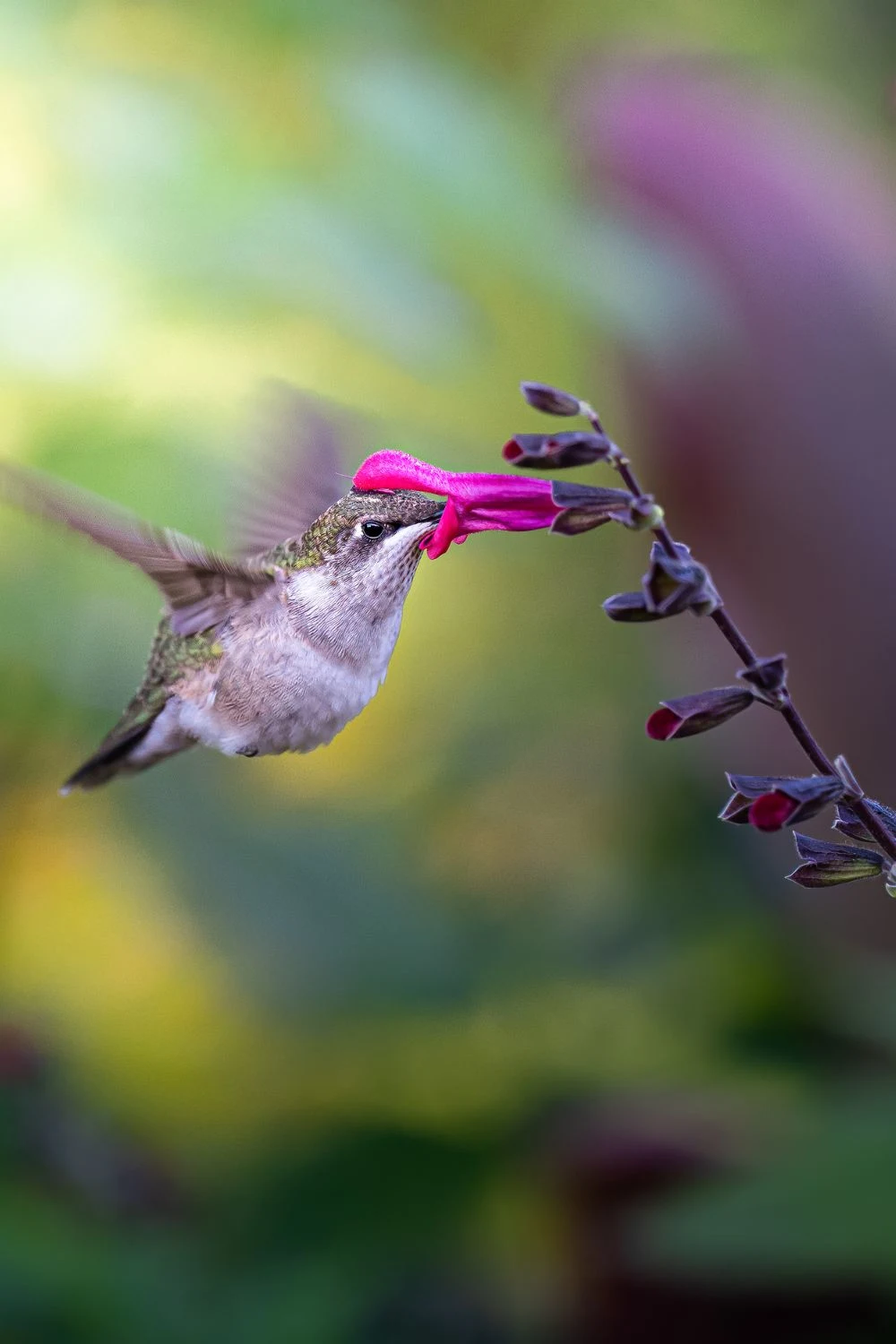
September cleanup does not have to mean stripping the garden bare. A perfectly tidy space may look satisfying in the moment, but it erases the food, cover, and shelter that countless creatures need to survive the winter. By leaving stems, scattering leaves, and keeping one corner a little wild, you are building a refuge for pollinators, birds, and soil life. Come spring, that small act of restraint pays you back with stronger blooms, healthier harvests, and a garden alive with sound and movement.
🌿 Key Takeaways
- 🐝 Hollow stems left standing give native bees safe places to nest and overwinter.
- 🍂 Leaf litter acts as insulation for insects and slowly enriches the soil as it breaks down.
- 🌻 Seed heads are natural bird feeders that keep wildlife active in your garden all winter.
- 🪱 Covered soil protects fertility and shelters beneficial insects that control pests in spring.
- 🦔 Messy corners provide survival zones for toads, insects, and small mammals when the cold sets in.
Frequently Asked Questions About Fall Cleanup and Wildlife
1. Won’t leaving stems and leaves make my garden look messy?
A little mess is part of the plan. You can keep paths and main beds tidy while designating corners or borders for stems and leaves. Think of it as balancing neatness with nature.
2. Do leaves left on the ground kill the grass?
Thick mats of wet leaves can smother lawns, but they are perfect for garden beds, borders, and under shrubs. Shred or rake heavy piles off grass and use them as mulch instead.
3. Is it safe to leave seed heads if I don’t want weeds?
Yes. Focus on leaving seed heads from perennials like coneflowers or rudbeckia. Skip invasive or aggressive self-seeders if you don’t want surprises in spring.
4. Will leaving debris increase pests?
Not if you choose wisely. Hollow stems, leaves, and brush piles shelter beneficials like bees, beetles, and toads. Avoid leaving diseased plant material, which can carry problems into next year.
5. When should I finally clear everything away?
Wait until late spring, once temperatures are consistently warm. By then, bees and insects have emerged, birds have moved on, and you can safely tidy beds without disrupting wildlife.


Daniel has been a plant enthusiast for over 20 years. He owns hundreds of houseplants and prepares for the chili growing seasons yearly with great anticipation. His favorite plants are plant species in the Araceae family, such as Monstera, Philodendron, and Anthurium. He also loves gardening and is growing hot peppers, tomatoes, and many more vegetables.