

Frost does not knock. It shows up in the night, steals the shine from basil, and leaves tomatoes looking like wet paper. Garden centers would love to sell you “solutions” for that. You probably already own better ones.
Old sheets, milk jugs, boxes, and a little timing can buy you whole weeks of extra harvest. Use what you have, spend almost nothing, and keep plants alive long after the forecast says quit. This is the cheap way to outsmart a cold snap.
1. Old Sheets and Blankets Beat Store-Bought Covers
When frost threatens, the cheapest insurance is already in your linen closet. A lightweight sheet draped over tender plants can hold enough heat from the soil to keep leaves from freezing. It looks a little like the garden is playing dress-up, but the protection is real.
The trick is to cover before the evening chill settles in, then take it off once the sun returns. Leave the sheet on too long and you risk suffocating the very plants you tried to save.
🛏️ How to Use Sheets for Frost Protection
- Drape loosely: Let the fabric touch the ground to trap rising heat.
- Secure the edges: Use rocks, bricks, or clothespins so wind does not blow it off.
- Remove at sunrise: Plants need light and air, so uncover them in the morning.
Bonus Tip: Old pillowcases work for smaller shrubs or container plants if you run out of sheets.
2. Plastic Bottles and Milk Jugs as Mini Cloches
Clear plastic turns into a tiny greenhouse with one cut. A milk jug or soda bottle over a seedling traps the warmth that radiates from soil after sunset. It keeps frost off tender leaves and slows the bite of wind. Cheap, fast, and surprisingly strong for such a humble shield.
Cut first, set before dusk, and vent when the sun is back. Treated right, these little domes buy you nights of protection without buying anything at all.
🥤 Bottle Cloches Step by Step
- Make the shell: Cut the bottom off a clean clear bottle or milk jug.
- Set it early: Place over seedlings before evening chill settles in.
- Anchor it: Press edges into soil or weigh with stones so wind cannot lift it.
- Cap control: Cap on at night to hold heat, cap off in the day for ventilation.
- Mind the sun: If leaves touch hot plastic at midday, crack the top or lift slightly.
- Prevent drip burn: Wipe heavy condensation in the morning if it pools over tender growth.
Bonus Tip: For extra warmth, set a small water bottle inside the cloche during the day. It absorbs heat and releases it slowly after dark.
3. Cardboard Boxes for Emergency Cold Snaps
When the forecast flips late in the afternoon, a simple box can save the night. Cardboard blocks wind, holds a cushion of warmer air, and keeps frost from settling on leaves. It is not pretty, but it is fast, and that is exactly what you need when temperatures drop without warning.
Set the box before dusk so soil warmth has time to collect. In the morning, lift it off to let the plant dry and breathe.
📦 Box Method Checklist
- Choose the right size: The box should clear foliage on all sides and sit flat on the soil.
- Weigh it down: Place a brick or rock on top so wind does not flip it.
- Avoid wet cardboard: Damp boxes collapse and conduct cold. Keep a few dry spares in the garage.
- Mind condensation: If the ground is very moist, crack one corner slightly to prevent dripping on leaves.
- Remove at sunrise: Take the box off as soon as light returns to prevent heat buildup and mildew.
Bonus Tip: For low crops like lettuce or radishes, add a thin layer of leaves around the base before boxing to protect roots while the box shields the tops.
4. Row Covers Made From Shower Curtains
Commercial row covers sound fancy until you realize a thrift store shower curtain does the same job. Draped over hoops or stakes, the clear plastic makes a tunnel that traps warmth and keeps frost from settling. It looks like a budget greenhouse, and that is exactly what it is.
The trick is balance. Seal it tight at night, then crack it open by day so plants do not stew in their own breath.
🚿 DIY Row Cover Steps
- Build support: Use bent PVC, wire hoops, or even sturdy sticks to hold the curtain above plants.
- Anchor edges: Weigh down sides with bricks, soil, or boards so wind does not lift it.
- Vent by day: Roll back one side to prevent overheating and condensation buildup.
- Check moisture: Too much trapped humidity invites mold. Air out when mornings are damp.
- Reuse and store: Fold dry after frost season. A single curtain can last several years.
Bonus Tip: Choose a clear or lightly frosted curtain. Opaque plastic blocks too much light and slows growth.
5. Use Mulch Like a Blanket for Roots
Cold nights do not just attack leaves. Roots feel the chill too, and once they freeze, the plant is done. A thick layer of mulch works like a quilt, trapping warmth in the soil and keeping the frost line higher than it would be bare. Leaves, straw, or even grass clippings piled around crowns can make the difference between a dead perennial and one that comes back stronger in spring.
The goal is insulation, not suffocation, so pile wisely and keep crowns from rotting under too much damp.
🍂 Mulch Protection Guide
- Choose the right material: Dry leaves, straw, pine needles, or shredded bark all work well.
- Depth matters: Aim for 2 to 4 inches around the base of plants for real insulation.
- Leave breathing room: Do not pile mulch directly on the crown or stems, which can cause rot.
- Refresh as needed: Mulch settles and compresses. Add more if the layer thins before winter ends.
- Think ahead: In spring, pull mulch back slowly so new shoots do not struggle through heavy cover.
Bonus Tip: Garlic planted in fall loves a winter mulch blanket. It keeps bulbs snug and gives you fatter cloves at harvest.
6. Buckets and Tubs for Potted Plants
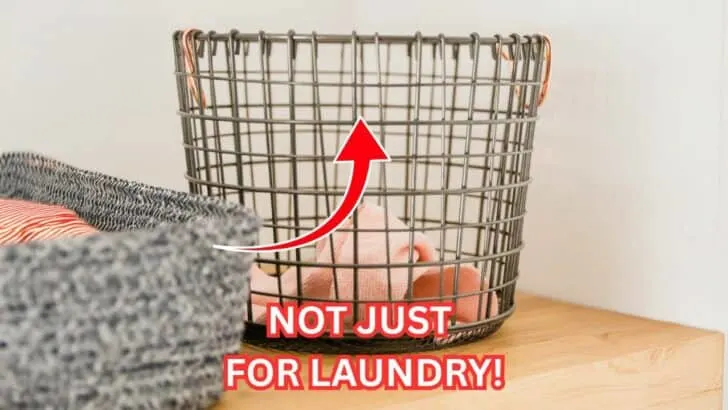
Container plants are the first to suffer when frost rolls in. Their roots sit above ground with no insulation, which makes them easy victims of cold nights. The fix is almost laughably simple. Flip a bucket, tub, or even a laundry basket over the pot before dark and you have a makeshift shield.
It is quick, cheap, and you can pull it off in the morning without fuss. Add a little weight on top and even the windiest night will not undo your work.
🪣 Covering Containers the Easy Way
- Pick the right size: The cover should fit fully over the pot without crushing foliage.
- Cover before dusk: Trap the last of the soil warmth before temperatures fall.
- Weigh it down: Place a brick, rock, or heavy object on top so wind cannot lift it.
- Uncover at sunrise: Allow plants to get light and airflow during the day.
- Stack smart: If you have multiple containers, cluster them together under one large tub for shared warmth.
Bonus Tip: Dark-colored tubs hold more heat. If you have a choice, use those on the coldest nights.
🌱 Key Frost Tips
Covers only work if you use them right. Timing, airflow, and materials matter as much as what you put over the plants. Think of frost protection as tucking your garden in for the night. Do it well and you wake up to green leaves instead of limp, frozen ones.
- Cover before sunset: Trap the warmth while the soil is still radiating heat.
- Uncover in the morning: Let in sun and airflow to avoid damp and moldy leaves.
- Layer for extra insulation: A sheet under plastic gives both warmth and moisture control.
- Keep plastic off foliage: Use stakes or hoops so leaves do not touch cold surfaces.
- Watch the forecast: One night of protection can make the difference between harvest and heartbreak.
Bonus Tip: Store your DIY covers in a dry spot so they are always ready for the next cold snap.
Keep Plants Alive Without Spending a Dime
Frost does not have to mean the end of the season. With a little creativity and a few household items, you can stretch the harvest long past the first cold snap. Sheets, bottles, boxes, tubs, and mulch all work better than leaving plants to chance.
The best part is that none of it costs you more than a few minutes of effort. Protecting plants with what you already have not only saves money, it also saves the work you put into growing them in the first place. Cover smart, uncover on time, and watch your garden keep going while the neighbor’s wilts overnight.
🍃 Key Takeaways
- Household items work: Sheets, bottles, boxes, tubs, and curtains can all protect plants from frost.
- Timing is critical: Cover plants before sunset and remove covers in the morning to avoid damage.
- Insulation saves roots: Mulch acts like a blanket and helps perennials and garlic survive the cold.
- Airflow matters: Always vent during the day to prevent overheating and mildew.
- Cheap beats fancy: DIY methods work as well as store-bought frost blankets, often for free.
❓ Frost Protection FAQs
Q: Can I leave covers on plants all day?
A: No. Plants need sunlight and air circulation. Covers should come off each morning once frost danger has passed.
Q: Is plastic safe to use on plants?
A: Yes, but only if it does not touch foliage. Plastic that freezes against leaves can damage them, so always support it with hoops or stakes.
Q: How cold can plants survive with DIY covers?
A: Most covers add 2 to 5 degrees of protection. Layering fabric with plastic or adding mulch can boost that buffer a little more.
Q: Can I reuse these materials every year?
A: Absolutely. Store them dry and folded, and they will be ready for the next cold snap.
Q: What is the quickest emergency fix if frost is coming tonight?
A: Cardboard boxes or overturned tubs work instantly. They may not look elegant, but they keep frost off in a pinch.


Daniel has been a plant enthusiast for over 20 years. He owns hundreds of houseplants and prepares for the chili growing seasons yearly with great anticipation. His favorite plants are plant species in the Araceae family, such as Monstera, Philodendron, and Anthurium. He also loves gardening and is growing hot peppers, tomatoes, and many more vegetables.