

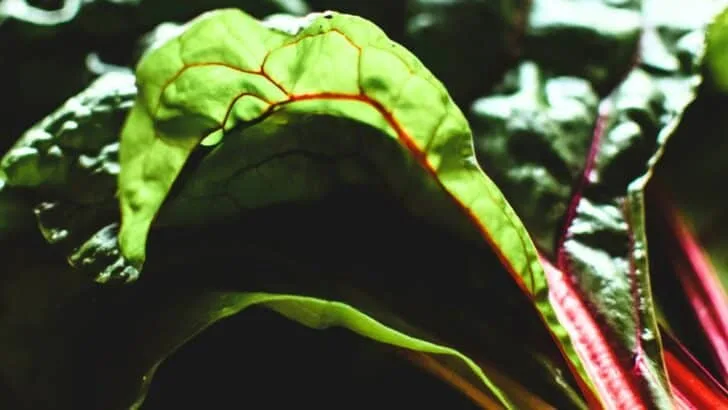
Late september like the garden is winding down, but these greens are just getting started. They sprout in cool soil, shrug off a light freeze, and taste sweeter after a cold snap.
Sow a few rows this week and you will still be picking crisp leaves when the first frost settles on the lawn. The salad season is far from over if you plant the right crew now.
Zone-by-Zone Timing for Late September
Cool nights are here, but soil still holds warmth between 40 and 65 °F, which is perfect for hardy greens. Knowing your zone and counting back from your first hard frost gives you the best shot at fresh leaves well into fall.
📅 Mid-September Sowing Guide
- Zones 3–4: Sow this week for baby greens only. Cover with a cold frame or heavy row cover to hold soil heat and stretch harvest into late October.
- Zones 5–6: Still prime time. Plant now and expect baby leaves in 25–30 days. Add a floating row cover when night temps dip below 35 °F.
- Zones 7–8: Excellent window. Sow every 10 days through mid-October for nonstop salads until early winter.
- Zones 9–10: Just entering the best cool-season stretch. Keep sowing through December for lush, tender harvests.
- Zone 11: Start now and continue right through winter. Provide light afternoon shade if daytime highs push above 85 °F to keep germination steady.
Tip: Use a soil thermometer instead of guessing. Seeds pop fastest when soil stays between 40 and 65 °F, even if air temperatures swing wider.
The Hardy Greens Lineup
Spinach
Spinach is the cold kid that keeps showing up. It pops in cool soil, shrugs at frost, and turns sweeter after a chilly night. Sow thick, harvest young, and let the rest size up for sturdy leaves that laugh at October.
- Days to harvest: 20–30 baby, 35–45 full leaves
- Soil: Rich, well drained, pH slightly acidic to neutral
- Cold-night tip: A light row cover keeps leaves clean and adds a few degrees for faster regrowth.
Mâche Corn Salad
Mâche grows like tiny rosettes of buttery greens that stay tender even when the birdbath skims with ice. The flavor is mild and a little nutty, perfect for mixing with sharper leaves.
- Days to harvest: 30–40 rosettes
- Soil: Moist, well drained, tolerates poorer soils in cool weather
- Cold-night tip: Sow thick and thin as you pick. Under a cold frame it keeps going deep into winter.
Tatsoi
Tatsoi forms glossy spoon-shaped leaves on a low rosette that hugs the soil for warmth. The taste is sweet with a gentle mustard note that gets friendlier after frost.
- Days to harvest: 20–25 baby, 35–40 full rosette
- Soil: Fertile, evenly moist, high in organic matter
- Cold-night tip: Hoop and cover to keep leaves spotless and growth steady through cold snaps.
Arugula
Arugula is peppery in summer but turns mellow and nutty as nights cool. Sow in quick waves and clip often. The more you take, the more it gives before real winter shows up.
- Days to harvest: 18–25 baby, 30–35 mature
- Soil: Well drained with steady moisture to keep flavor gentle
- Cold-night tip: Toss a thin fleece over the bed at dusk to hold flavor and speed regrowth.
Mustard Greens
Mustards bring color and bite, then calm down after a light frost. Frills or flat leaves, they all jump from seed to skillet in a blink when soil stays cool and moist.
- Days to harvest: 20–25 baby, 30–40 full leaves
- Soil: Fertile, moisture retentive, good drainage
- Cold-night tip: Mix red and green types under row cover for faster color and tender texture.
Kale Lacinato or Winterbor
Kale powers through cold like it trained for it. Texture firms up, sweetness climbs, and leaves keep coming as long as you keep snipping from the bottom up.
- Days to harvest: 25–30 baby, 45–60 for larger leaves
- Soil: Rich, well drained with steady moisture
- Cold-night tip: A light mulch at the base protects stems and keeps soil temps stable.
Claytonia Miner’s Lettuce
Claytonia stays tender when other greens tap out. Round leaves on delicate stems taste crisp and mild, perfect for winter salads if you give it a little shelter.
- Days to harvest: 25–35 baby, 40–50 full
- Soil: Moist, humus rich, never waterlogged
- Cold-night tip: Best under a cold frame where it will self sow and keep you in salads late.
Swiss Chard
Chard brings rainbow stems and a steady cut-and-come-again habit. It handles light frost just fine and keeps producing while other beds go quiet.
- Days to harvest: 25–30 baby, 45–60 for larger leaves
- Soil: Fertile, well drained with regular moisture
- Cold-night tip: Mulch the crowns and cover on frosty nights to push harvests toward winter.
Frost Sweetness Explained
A light frost is not the enemy of leafy greens. When temperatures slide near freezing, the plants switch to survival mode. They move stored starches into the leaves and convert them into sugars that act like natural antifreeze. That extra sugar is what makes a post frost harvest taste so mild and sweet.
This simple plant chemistry means your October spinach or November kale will always beat a midsummer harvest for flavor. The colder the night, the sweeter the crunch.
- Trigger: Night temperatures near 32 °F tell plants to pull starch from roots into leaves.
- Result: Natural sugars build up, creating a sweeter taste and softer texture.
- Best practice: Harvest in the morning after a frosty night for peak flavor and crispness.
- Applies to: Spinach, kale, arugula, tatsoi, and most cold hardy greens.
Tip: Do not rush to cover your greens unless a hard freeze is coming. A light frost is free flavor magic.
Soil Boost Before Sowing
Cool weather slows soil life, so giving your beds a quick refresh now helps seeds wake up fast and keeps seedlings strong. Clearing summer leftovers and adding a gentle nutrient kick will set the stage for steady growth even as nights chill.
A few simple moves with a rake and a shovel make a big difference. You do not need to dig deep or overhaul the bed—just feed the top layer and smooth the surface.
- Clear debris: Remove spent plants, weeds, and old mulch so seeds contact fresh soil.
- Add compost: Spread a one inch layer of finished compost for nutrients and better moisture retention.
- Loosen lightly: Use a garden fork to crack the top 4 to 6 inches without turning the soil layers.
- Check pH: Hardy greens like neutral to slightly acidic soil. Adjust if needed before sowing.
- Pre water: Moisten the bed a few hours before planting so seeds settle evenly and germinate fast.
Tip: Skip strong fertilizer right now. A mild compost boost is enough to keep growth steady in cool conditions.
Care and Harvest Tips
Cool season greens need steady but simple care. They like moist soil, gentle thinning, and quick harvests to stay tender. Keep a light hand with water and a sharp eye for size so you can pick at peak flavor.
Frost helps the taste but sudden hard freezes can stop growth, so plan small protections if your nights drop fast. A little routine each morning keeps the harvest coming well past the first chill.
- Watering: Keep soil evenly moist. Check daily and water when the top inch feels dry.
- Thinning: Snip seedlings to about an inch apart for baby leaves or two inches for larger harvests.
- Cut and come again: Harvest outer leaves first to let the center keep producing.
- Morning harvest: Pick in the cool morning after dew dries for the sweetest flavor and crisp texture.
- Light cover: Float a row cover on frosty nights to add a few degrees and shield leaves from sudden cold snaps.
Tip: Skip heavy feeding. A compost top dress mid season is enough to keep greens vibrant in cool weather.
DIY Protection Tricks
A little shelter stretches the harvest long past the first hard frost. Simple covers hold warmth near the soil, block icy wind, and keep tender leaves clean after a cold night. You do not need a fancy greenhouse to keep salads coming when the rest of the garden sleeps.
Gather a few everyday items now so you can act fast when forecasts dip. Even basic setups can add weeks of extra growth and sweeter flavor.
- Floating row cover: Drape lightweight fabric over hoops or directly on plants to trap a few degrees of heat.
- Cold frame: Use scrap lumber and an old window to build a mini greenhouse that captures daytime warmth.
- Cloche power: Invert clear plastic bins or large glass jars over small rows for a quick frost shield.
- Mulch magic: Surround plants with shredded leaves or straw to hold soil warmth and reduce temperature swings.
- Emergency fix: Even an old sheet or lightweight blanket thrown over supports will guard against a sudden freeze.
Tip: Vent covers on sunny days to prevent overheating and to keep leaves dry, which cuts disease risk.
🌿 Key Takeaways
- 🥗 Plant now for sweet flavor. Mid September sowing still works across most zones when soil stays between 40 and 65 °F.
- ❄️ Frost improves taste. Cold nights trigger sugars that make greens like spinach and kale naturally sweeter.
- 💧 Even moisture is essential. Keep soil consistently damp to speed germination and prevent tough leaves.
- 🌱 Low pest pressure. Cool weather means fewer bugs so greens stay cleaner and healthier with less effort.
- 🛠️ Simple protection extends harvest. Floating covers or a quick cold frame add weeks of fresh salads well into winter.
Plant This Week for Greens Through the First Snow
The window is still open and the soil is ready. Sow hardy greens now and they will sprout, sweeten, and keep sending leaves long after the rest of the garden calls it quits. Cool nights and a little light protection are all they need to thrive.
Grab a packet of seed and put it in the ground today. When the first snow dusts the beds, you will still be harvesting fresh salads while neighbors look at bare soil.
Frequently Asked Questions About Frost Hardy Greens
1. Can I really plant greens in mid September?
Yes. Most hardy greens germinate in cool soil and grow well with day temperatures between 40 and 65 °F. Sow now and you can harvest baby leaves in three to four weeks, even in northern zones with a light row cover.
2. Which greens get the sweetest after a frost?
Spinach, kale, arugula, and tatsoi all develop extra sugars as night temperatures drop, giving them a milder taste and tender texture.
3. Do I need to cover the plants every night?
No. A light frost improves flavor. Cover only when a hard freeze is predicted or if temperatures fall well below 28 °F.
4. How often should I water late season greens?
Check soil moisture daily. Keep the top inch consistently damp but never soggy. Cooler weather means you may water less than in summer, but do not let the soil dry out completely.
5. Can I grow these greens in containers?
Absolutely. Use pots at least 6 inches deep with good drainage. Place them in full sun and bring them under cover when a hard freeze is expected.
6. How do I harvest for the longest yield?
Pick outer leaves first and let the center keep growing. This cut-and-come-again method allows repeat harvests until a hard freeze stops growth.
7. Will pests be a problem this late in the season?
Pest pressure is usually low in cool weather, but keep an eye out for slugs in damp beds and remove them by hand if needed.


Daniel has been a plant enthusiast for over 20 years. He owns hundreds of houseplants and prepares for the chili growing seasons yearly with great anticipation. His favorite plants are plant species in the Araceae family, such as Monstera, Philodendron, and Anthurium. He also loves gardening and is growing hot peppers, tomatoes, and many more vegetables.