

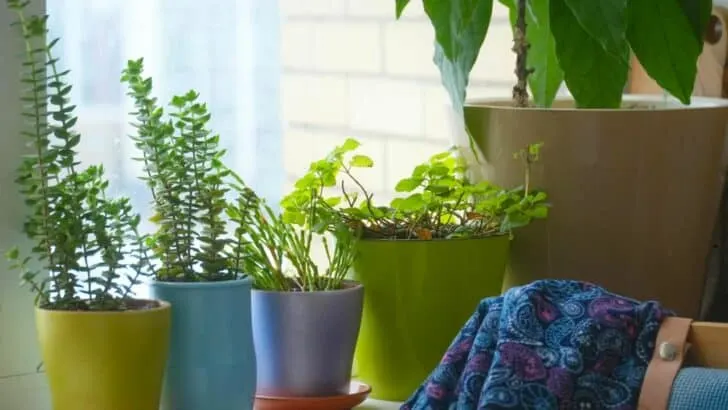
February is tricky for houseplants because light is low, air is dry, and indoor temperatures swing fast. Many of the biggest problems start with good intentions, like extra watering or a big dose of fertilizer. Let’s spot the February mistakes most people miss, so your plants keep steady growth without stress.
We’ll focus on small fixes that make a big difference, like adjusting watering timing, watching for hidden pests, and protecting roots from cold windows.
1. Stop Watering on a Schedule and Check the Soil First

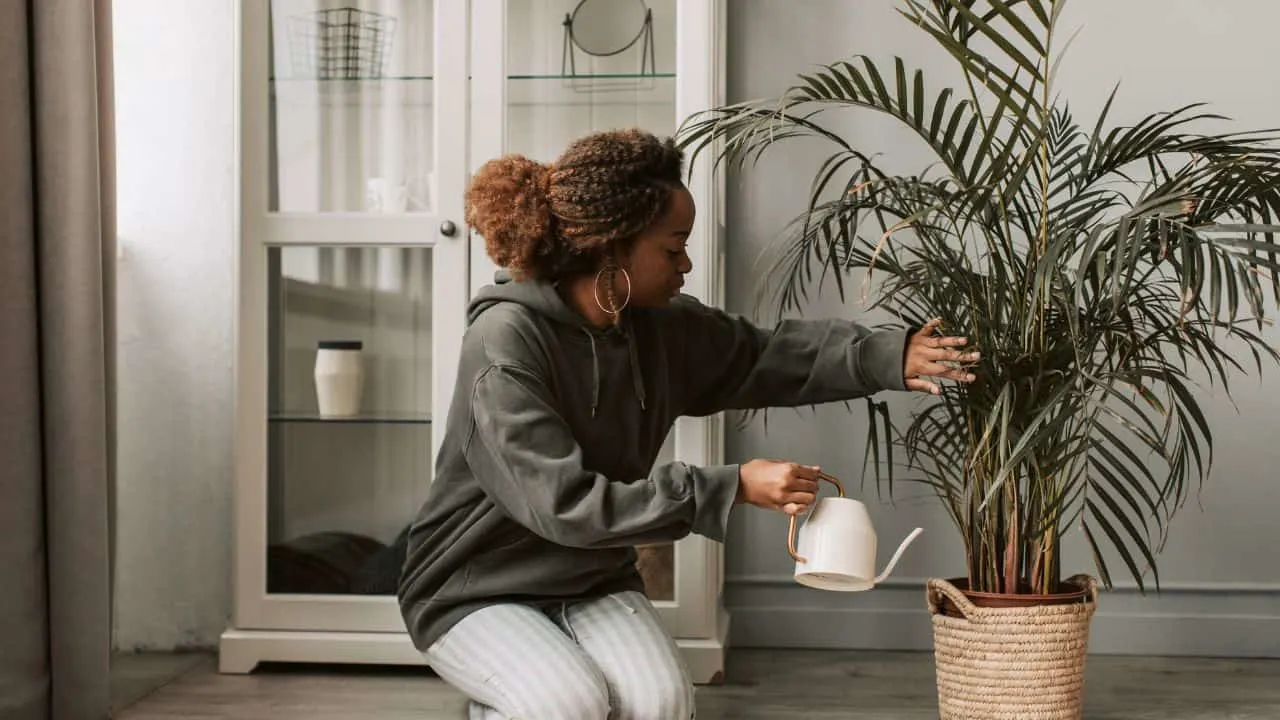
February indoor air can fool you into watering too often. A calendar reminder is not a good guide.
Before you water, press a finger 1 to 2 inches into the potting mix. If it feels cool and damp, wait a few days and check again.
For small pots, lift the container to judge weight, dry pots feel surprisingly light. When you do water, soak until water runs out of the drainage holes, then empty the saucer.
This simple routine prevents root rot, fungus gnats, and limp leaves that look like “thirst” but are really soggy roots. It also helps you notice plants that dry faster near a heat vent or a sunny window.
💧 The 10-Second Moisture Reality Check
- Finger test: Press 1 to 2 inches into the mix. Cool and damp means wait.
- Lift test: Pick up the pot. Dry soil feels much lighter than you expect.
- Soak properly: Water until it runs from the drainage holes. This wets the full root zone.
- Empty the saucer: Standing water keeps roots soggy and invites fungus gnats.
- Watch hot spots: Heat vents and sunny windows dry pots faster. Those plants need checks more often.
Bonus Tip: If the top looks dry but the pot still feels heavy, hold off. That usually means the bottom is still wet.
2. Avoid Overwatering Caused by Furnace Dry Air
Furnace heat can make your skin feel dry fast. It does not mean your potting mix is drying at the same speed.
In February, light levels are low, so most houseplants use water slowly. Check moisture 1 to 2 inches down with your finger, or use a wooden chopstick and look for dampness on the tip. If the mix feels cool and slightly moist, wait a few days before watering.
If the air is truly dry, raise humidity without soaking the roots. Run a small humidifier nearby, or group plants together and keep them away from heat vents. Aim your watering at the soil surface, not the leaves, and empty saucers after 10 to 15 minutes to prevent root rot.
💧 Dry Air, Not Dry Roots
- Best quick test: Push a finger 1 to 2 inches into the mix. Water only if it feels dry at that depth.
- Chopstick check: Insert a wooden chopstick, then pull it out. Dark wood or damp bits mean wait.
- Watch the pot weight: Lift the pot after watering, then again a few days later. Light pot, time to water.
- Humidity fix: Use a small humidifier, or group plants together. Keep them away from heat vents.
- Root rot preventer: Empty the saucer after 10 to 15 minutes. Never let pots sit in water.
Bonus Tip: If you are unsure, wait 48 hours and test again. Overwatering does more damage than waiting.
3. Protect Plants From Cold Window Drafts

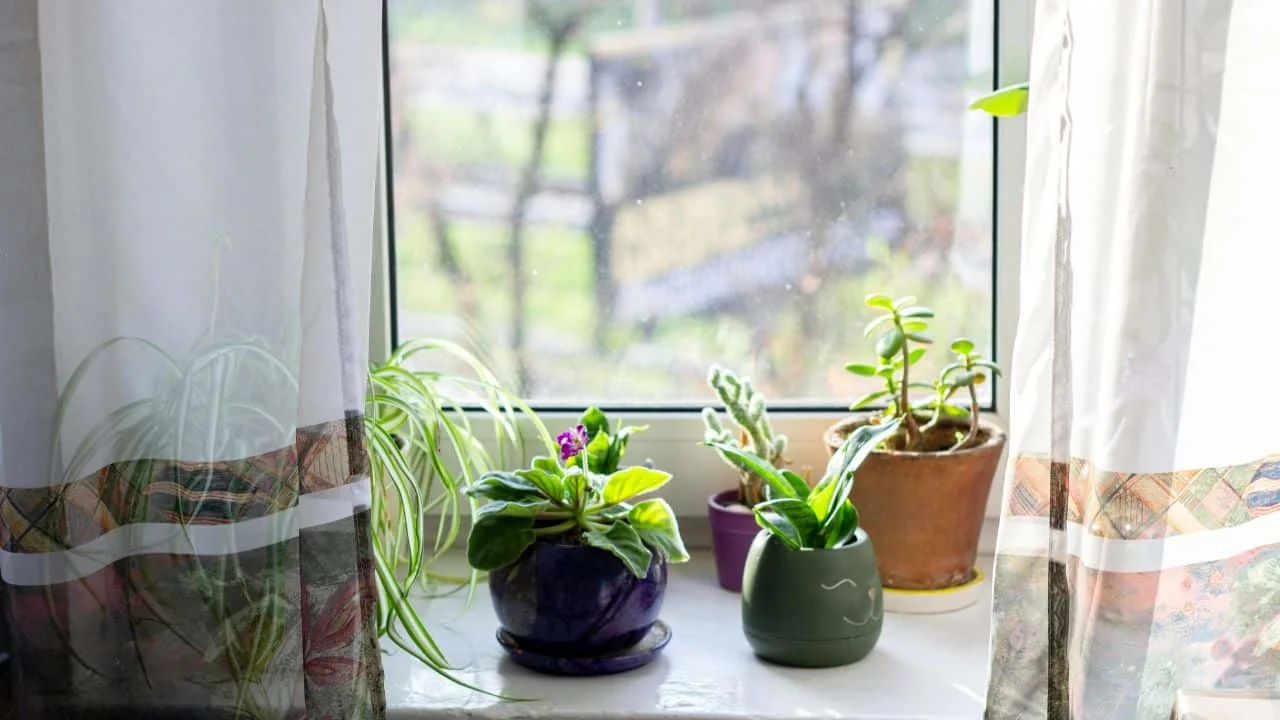
Nighttime window drafts can drop leaf temperature fast, even in a warm room. Many houseplants react with yellowing leaves, limp growth, or sudden leaf drop.
Feel around the window with your hand after sunset to find the cold stream of air. Move plants 12 to 24 inches back from the glass, or place them on an interior table at night.
If you need them near light, set a clear barrier between the plant and the draft. A temporary fix is a clear shower curtain liner clipped to the sill, or a folded towel tucked along the bottom edge.
Avoid letting leaves touch the windowpane, because the glass itself can be colder than the air. Rotate the pot weekly so the plant does not lean toward the window and end up pressed against it.
🪟 Draft Detective Checklist
- Find the leak: Run your hand along the sill and sides after sunset to feel the cold stream.
- Back it up: Move pots 12 to 24 inches away from the glass before bedtime.
- Raise the pot: Use a plant stand, books, or an upside-down tray so cold air pooling on the sill hits the pot less.
- Block the breeze: Clip up a clear shower curtain liner as a simple windbreak that still lets light through.
- Stop leaf contact: Keep leaves off the windowpane, because cold glass can chill tissue fast.
Bonus Tip: If you see yellowing or leaf drop, check the night low near the window. A cheap thermometer on the sill tells the real story.
4. Skip Ice Cubes on Tropical Houseplants
Ice cubes and very cold water can shock tropical houseplants fast. In February, that stress often shows up as droopy leaves and brown tips.
Most tropicals prefer room temperature water, especially pothos, philodendron, peace lily, and orchids. Cold water can slow root activity and make already slow winter growth stall even more.
Use water that feels neutral on your wrist, like baby bath water without the warmth. If you keep a watering can in a chilly garage or by a drafty door, bring it indoors the night before. For orchids, skip the ice cube trick and water normally, then let the pot drain completely so roots get air.
💧 Root comfort check
- Quick test: Water should feel neutral on your wrist, not cool, not warm.
- Common symptoms: Droop, brown tips, and a sulky look a day or two after watering can point to cold shock.
- Orchid reality: Ice cubes can chill roots unevenly. Use a normal soak, then let the pot drain fully.
- Winter slowdown: Cold water can slow root activity even more, especially in low light.
- Watering can habit: If your can sits in a garage or by a drafty door, bring it indoors overnight.
Bonus Tip: If your home runs cool, fill the can and let it sit indoors for an hour or two before you water.
5. Hold Off Fertilizing Until Growth Picks Up
Fertilizing in February often backfires because many houseplants are still growing slowly. Extra fertilizer can build up as salts and stress roots.
Look for clear signs of active growth before you feed, like new leaves uncurling, longer internodes, or fresh root tips at the drainage holes. If your plant looks the same week after week, wait and focus on steady light and even moisture.
When you do start fertilizing, use a half strength balanced liquid fertilizer and apply it to already moist soil. If you suspect a buildup, flush the pot with room temperature water until it runs freely, then let it drain completely.
💧 Feed the plant you have, not the one you wish you had
- Wait For: New leaves uncurling, longer stems between leaves, or fresh roots showing at the drainage holes.
- Skip If: The plant looks the same week after week, or it is dropping older leaves with no new growth.
- Go Gentle: Start with a half strength balanced liquid fertilizer, and only every other watering at first.
- Moist Soil First: Water lightly, then fertilize. Dry soil plus fertilizer can burn fine roots.
- Salt Clues: White crust on the soil or pot rim, or leaf tips turning brown soon after feeding.
Bonus Tip: If you think you overdid it, flush with room temperature water until it runs freely, then let the pot drain completely.
6. Move Plants Closer to Sun for Winter Light

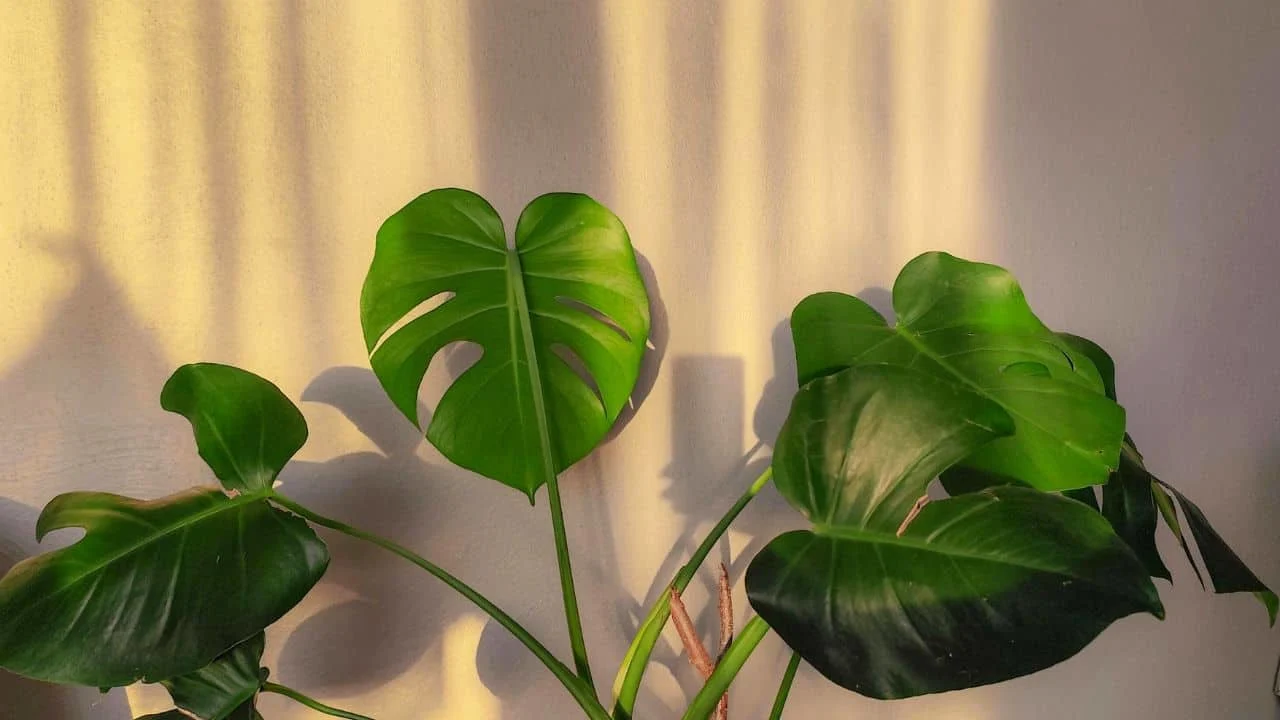
February light is weak, even on a bright window. Many houseplants slowly starve for energy without you noticing.
Slide plants right up to the glass on your sunniest window, usually south or west facing in most US homes. Rotate the pot a quarter turn every week so one side does not stretch and lean.
Watch for clues, long bare stems, smaller new leaves, and pale color mean the plant needs more light. Keep leaves clean with a damp cloth so dust does not block precious sun.
Move tropicals back a few inches at night if the glass feels cold, and keep foliage off the pane. If you do not have a bright window, add a small LED grow light for 8 to 10 hours a day.
💡 Quick winter light check
- Best window: Use your sunniest spot, usually south or west facing in most US homes.
- Distance: In February, closer is better. Place the pot right up to the glass during the day.
- Rotate: Turn the pot a quarter turn each week to prevent leaning and uneven growth.
- Low light clues: Watch for leggy stems, smaller new leaves, and pale color.
- Leaf care: Wipe leaves with a damp cloth so dust does not steal the little sun you get.
- Cold glass warning: If the window feels chilly at night, move tropicals back a few inches and keep leaves off the pane.
Bonus Tip: If you do not have a bright window, add a simple LED grow light and run it 8 to 10 hours daily.
7. Replace Misting With a Humidity Tray or Humidifier

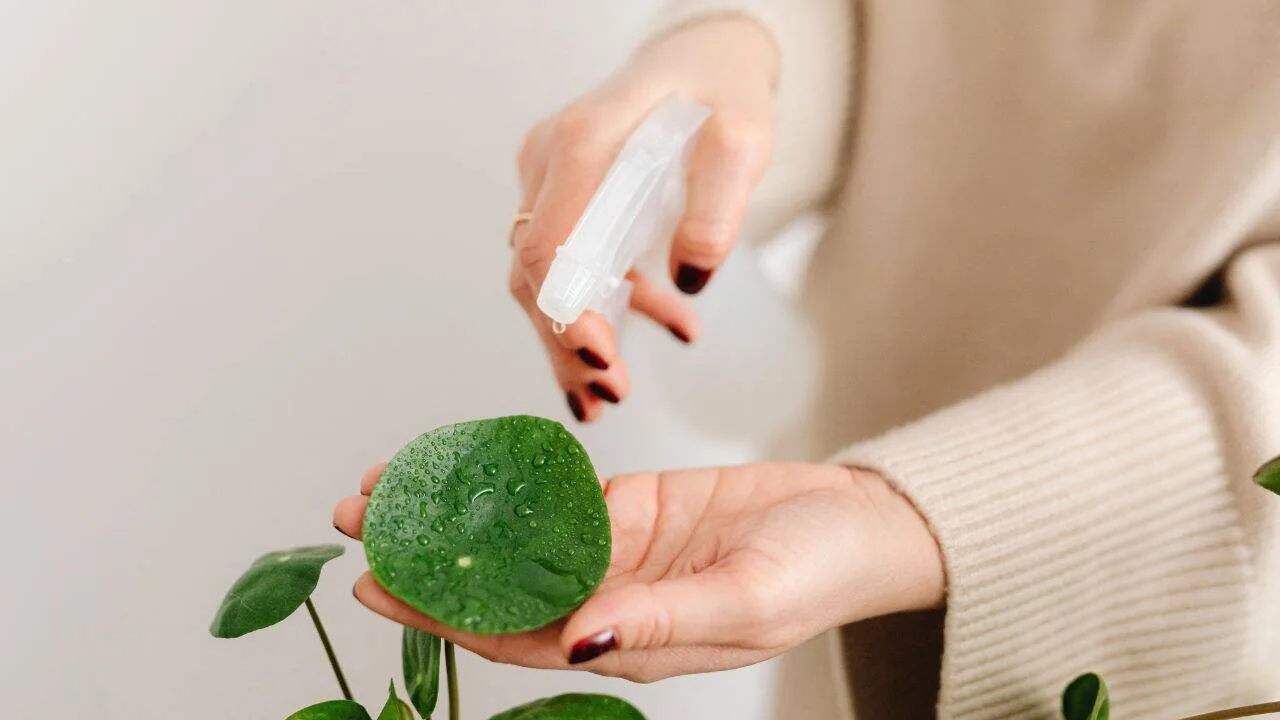
Misting rarely raises humidity for more than a few minutes. In February, dry indoor air usually needs a steady source of moisture.
Those tiny droplets evaporate fast, and they mostly wet leaf surfaces. Wet leaves in cool rooms can invite leaf spot and mildew, especially on African violets and begonias.
For a simple upgrade, set the pot on a pebble tray and keep water below the pot bottom. The evaporation adds a small, consistent humidity boost right where the plant sits.
If your heat runs often, a small room humidifier is the most reliable fix. Aim for 40 to 55 percent humidity, and keep airflow gentle so leaves dry quickly after watering.
💧 Steady humidity, fewer leaf problems
- Why misting fails: It bumps humidity for minutes, then the air dries out again.
- Leaf safety: Wet leaves in cool rooms can invite leaf spot and mildew.
- Pebble tray setup: Keep water below the pot bottom, so roots never sit in water.
- Best humidifier target: Aim for 40 to 55 percent for most common houseplants.
- Placement trick: Put the humidifier a few feet away, so you raise room humidity without wetting leaves.
Bonus Tip: If you see water droplets on leaf tips in the morning, improve airflow and stop any misting right away.
8. Repot Only When Absolutely Necessary in February
February repotting often backfires because roots are barely growing. The plant sits in cold, wet mix and sulks.
Only repot now if you have a true problem, like roots circling tightly, the pot cracking, or water running straight through. If you just want fresh soil, wait for spring when new leaves and new roots show up together.
If you must repot, go up only one pot size and use a fast draining mix with extra perlite or orchid bark. Water lightly once, then let the top inch dry before the next watering, and keep the plant warm and bright.
🪴 Winter repot triage checklist
- Repot only for red flags: Cracked pot, severe root circling, sour smell, or water rushing through in seconds.
- Pot size rule: Move up just one size (about 1 to 2 inches wider). Extra space stays wet in February.
- Mix upgrade: Add perlite or orchid bark for faster drainage. Heavy mixes chill roots and hold water.
- Handle roots gently: Tease the outer ring a little. Skip big root pruning until spring growth starts.
- Aftercare: Water once to settle soil. Then wait until the top inch dries, and keep the plant warm and bright.
Bonus Tip: If your plant looks fine but you want a refresh, top-dress instead. Scrape off the top inch of old soil and replace it with fresh mix.
9. Catch Spider Mites and Mealybugs Early
Winter heat is a pest magnet for spider mites and mealybugs. They multiply fast in warm, dry rooms.
Check plants once a week, especially the ones near a vent, radiator, or bright window. Flip leaves and look along the midrib and where the leaf meets the stem. Spider mites leave fine webbing and tiny pale speckles on leaves. Mealybugs look like little bits of cotton tucked into creases and nodes.
If you spot anything, isolate the plant right away and rinse it in the shower with lukewarm water. Follow with a wipe down using a cotton swab dipped in 70 percent isopropyl alcohol for mealybugs, then repeat in 5 to 7 days. For spider mites, raise humidity near the plant and spray with insecticidal soap, then hit the leaf undersides again a week later.
🟦 The 60 Second Winter Pest Scan
- Best timing: Check right after watering, when leaves are cleaner and pests are easier to spot.
- Where to look: Leaf undersides, the midrib, and tight leaf joints at the stem.
- Spider mite clues: Fine webbing, dusty looking leaves, and tiny pale speckles that do not wipe off.
- Mealybug clues: White cottony tufts tucked in nodes, plus sticky honeydew on leaves or the pot rim.
- Fast containment: Bag the plant or carry it to the sink first, then isolate it from the rest.
Bonus Tip: Put a weekly reminder on your phone. Winter pests move fast, but they are easy to stop when you catch them early.
10. Rotate Pots to Stop One Sided Leaning Growth
Houseplants lean in February because winter light comes from one direction. One sided growth can become permanent if the stems harden.
Turn each pot a quarter turn every week, or every time you water. If you forget, mark the rim with a small piece of tape so you can see your last position.
For tall plants, add a simple stake before you rotate so the shift does not stress the roots. If the lean is already strong, rotate in smaller steps over two to three weeks.
🔄 Make Rotation a No Brainer
- Easy schedule: Give the pot a quarter turn each week, or every time you water.
- Quick marker: Put a small piece of tape on the rim, then move it after each turn.
- Light test: Stand where the plant sits and notice the brightest window direction. That is the side it will chase.
- Tall plant support: Add a stake before rotating so the stem stays steady while roots adjust.
- Fix a strong lean: Rotate in smaller steps over two to three weeks to avoid stress and cracking.
Bonus Tip: If you use a saucer, draw a small dot on the saucer and pot. Line them up again after each turn.
11. Use February as a Full Houseplant Reset Month

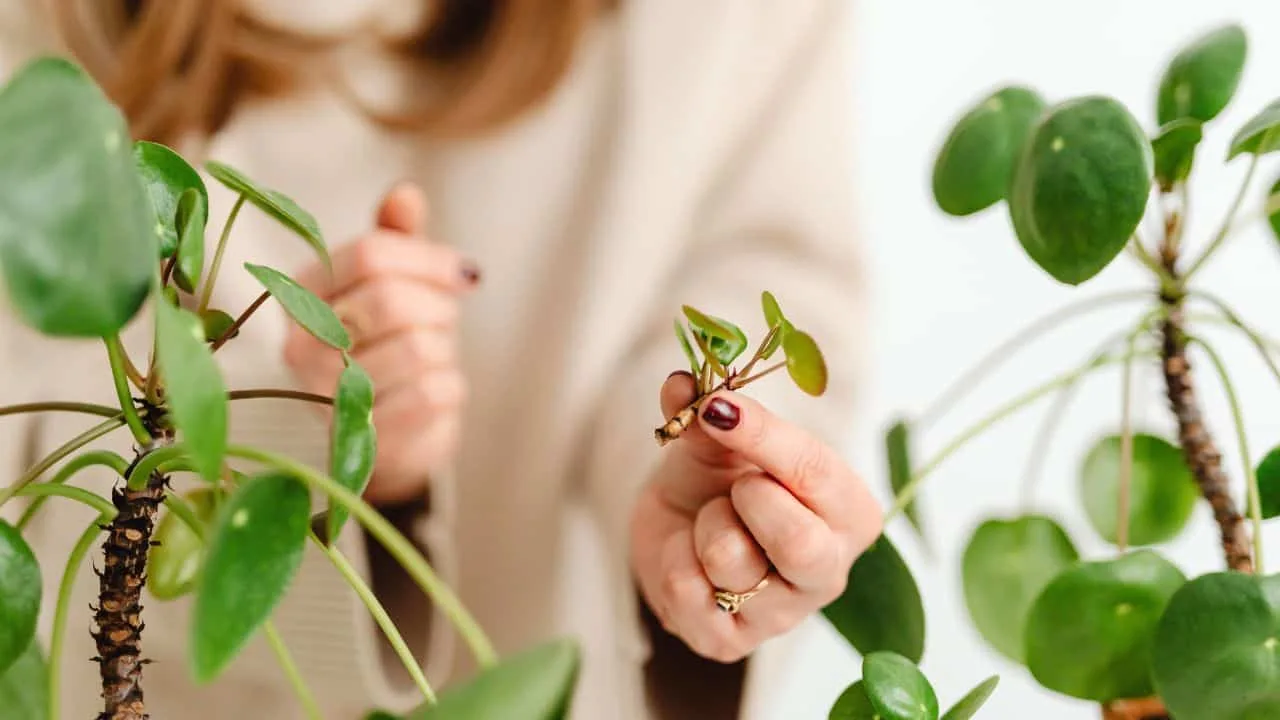
Pick two fixes to start today, check soil moisture before you water, and move plants a little closer to your brightest window. Tonight, feel for cold drafts and pull pots back from glass, then rotate each one a quarter turn. This week, do a quick leaf and stem check for mites and mealybugs, and swap misting for a pebble tray or a small humidifier.
Hold off on fertilizer and repotting until you see steady new growth, and your plants will be ready to thrive as spring light returns.
Frequently Asked Questions About February Houseplant Mistakes, What Most People Miss
1. How do I tell if my houseplant needs water in winter?
Check the soil 1 to 2 inches down with your finger. Water only if it feels dry at that depth, and the pot feels light. Empty the saucer so roots do not sit in water.
2. What is the best room humidity level for common houseplants in winter?
Aim for about 40 to 60 percent humidity for most common houseplants. If your air is very dry, use a small humidifier near plants. Keep leaves from touching cold glass while you raise humidity.
3. Should I fertilize houseplants in February in the US?
Most houseplants need little to no fertilizer in February because growth is slow. If you see new growth, use a half strength balanced fertilizer once. Do not fertilize stressed plants that are dry, cold, or dropping leaves.
4. Why are my leaves turning brown on the tips in February?
Brown tips are often from dry air, uneven watering, or salt buildup from tap water and fertilizer. Trim the brown parts with clean scissors, and keep watering more consistent. Flush the pot with plain water every few weeks if salts are a problem.
5. How close is too close to a window in cold weather?
If leaves touch the glass, it is too close. Move plants a few inches back, especially at night when the glass gets colder. Watch for chilly drafts from window seams and blinds.
6. What is the safest way to treat spider mites indoors?
Isolate the plant, then rinse leaves well, especially the undersides, in the sink or shower. Follow with insecticidal soap or horticultural oil, and repeat every 5 to 7 days for a few rounds. Avoid using harsh pesticides indoors, especially in living spaces.
7. Is it okay to repot a houseplant in winter if it is root bound?
Yes, but keep it gentle, and only go up one pot size. Use fresh potting mix, and water lightly until you see new growth. Keep it warm and out of drafts while it recovers.
8. Do grow lights really help in February, and how long should they be on?
Yes, they can make a big difference when days are short and windows are dim. Run them about 10 to 12 hours a day on a timer for steady light. Keep the light close enough to be effective, but far enough to avoid leaf scorch.


Daniel has been a plant enthusiast for over 20 years. He owns hundreds of houseplants and prepares for the chili growing seasons yearly with great anticipation. His favorite plants are plant species in the Araceae family, such as Monstera, Philodendron, and Anthurium. He also loves gardening and is growing hot peppers, tomatoes, and many more vegetables.