

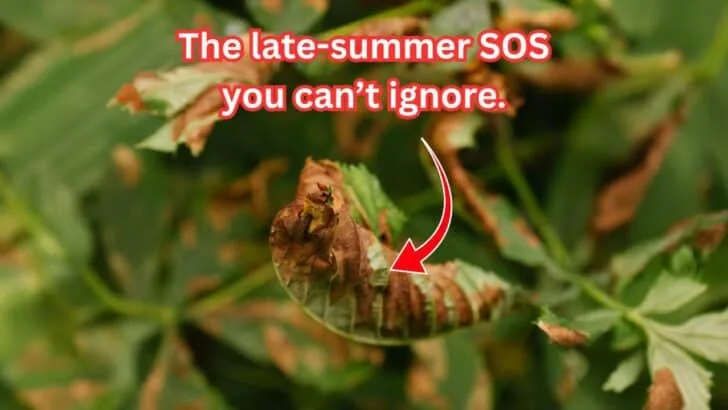
By late August, the sun doesn’t just warm the garden, it bullies it. Plants that looked lush in June are now slumping, leaves curled like rolled-up newspapers, flowers dropping without so much as a goodbye. These aren’t random quirks, they’re distress calls — little signals that your plants are gasping for water.
The tricky part is that not all signs of thirst are obvious. Some plants wilt dramatically, others just turn dull and quiet, like they’ve given up hope. If you know what to watch for, you can step in before the damage gets permanent. Let’s walk through nine classic signs your plants are begging for a drink in the late-summer heat.
1. Wilting by Noon, Perky at Night

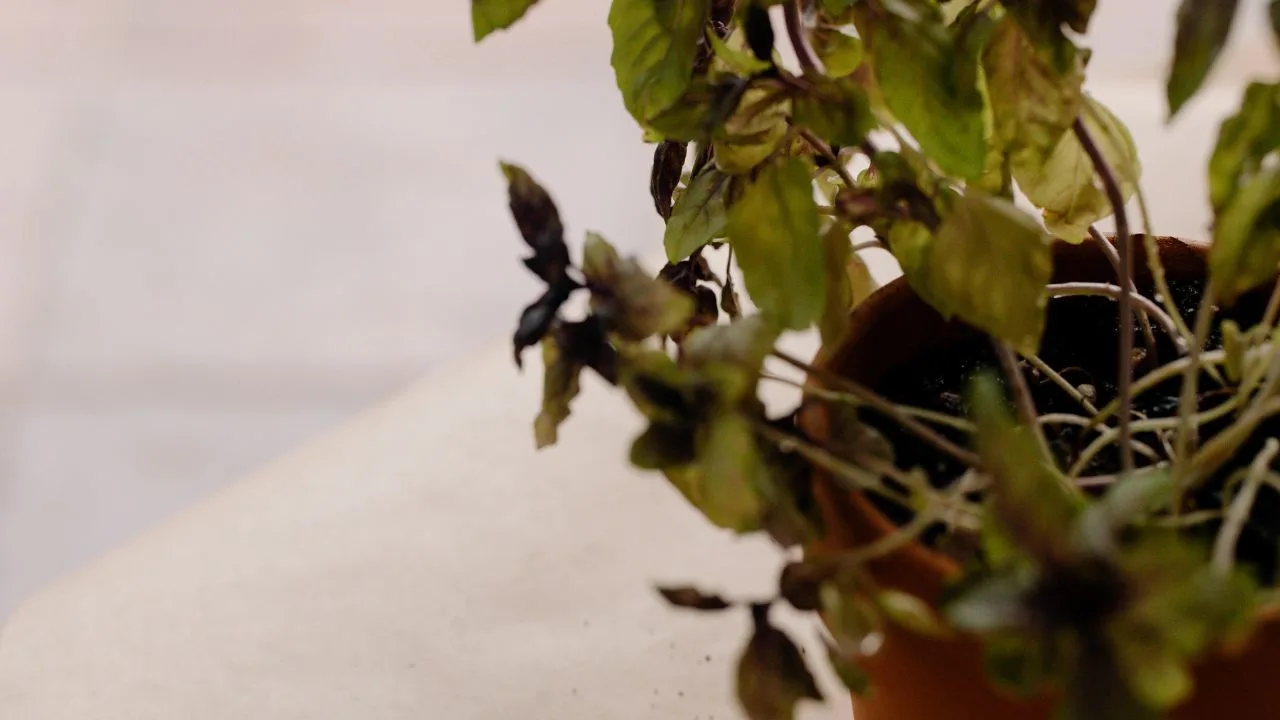
One of the earliest red flags is a plant that looks perfectly fine in the morning, then collapses like a tired marathon runner by midday. By evening, though, it has bounced back, leaves upright again as if nothing happened. This back-and-forth is your plant’s way of telling you the soil moisture is running on fumes. It’s not bone dry yet, but it’s close enough that the plant can’t keep up during the hottest hours.
Think of it like a checking account balance that dips into the red each afternoon and recovers with cooler night temperatures. That cycle means the roots are already under pressure, and if you wait until wilting becomes permanent, you’ve crossed into serious stress territory.
2. Leaf Curling or Rolling

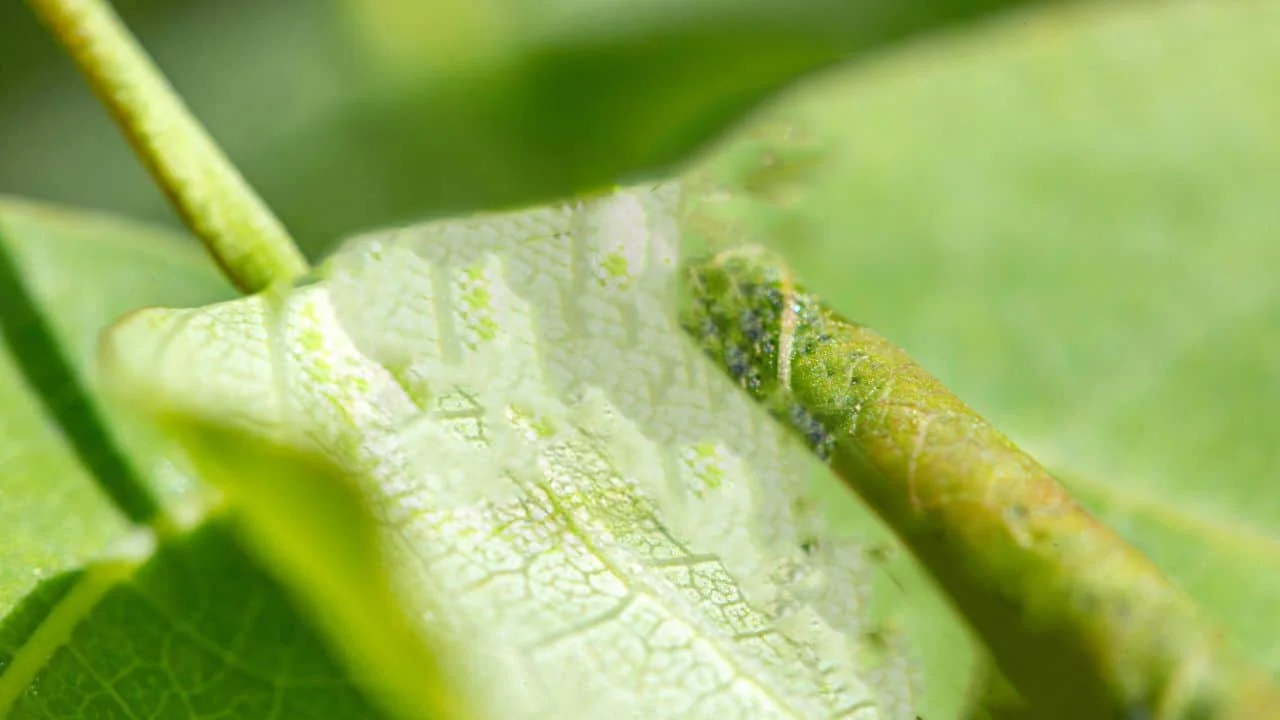
When leaves start folding inward like tacos, the plant is not suddenly experimenting with new leaf shapes. It’s a stress response. Curling helps reduce the surface area exposed to the sun, lowering water loss through transpiration. Smart survival move for the plant, but for you, it’s a warning flare that the roots can’t keep up with demand anymore.
This sign often shows up on tomatoes, peppers, and cucumbers, but nearly any plant can do it when the heat and dryness hit hard. Once you see curling, the plant is already feeling the squeeze, and it means the soil is overdue for consistent moisture.
3. Crispy or Brown Leaf Edges

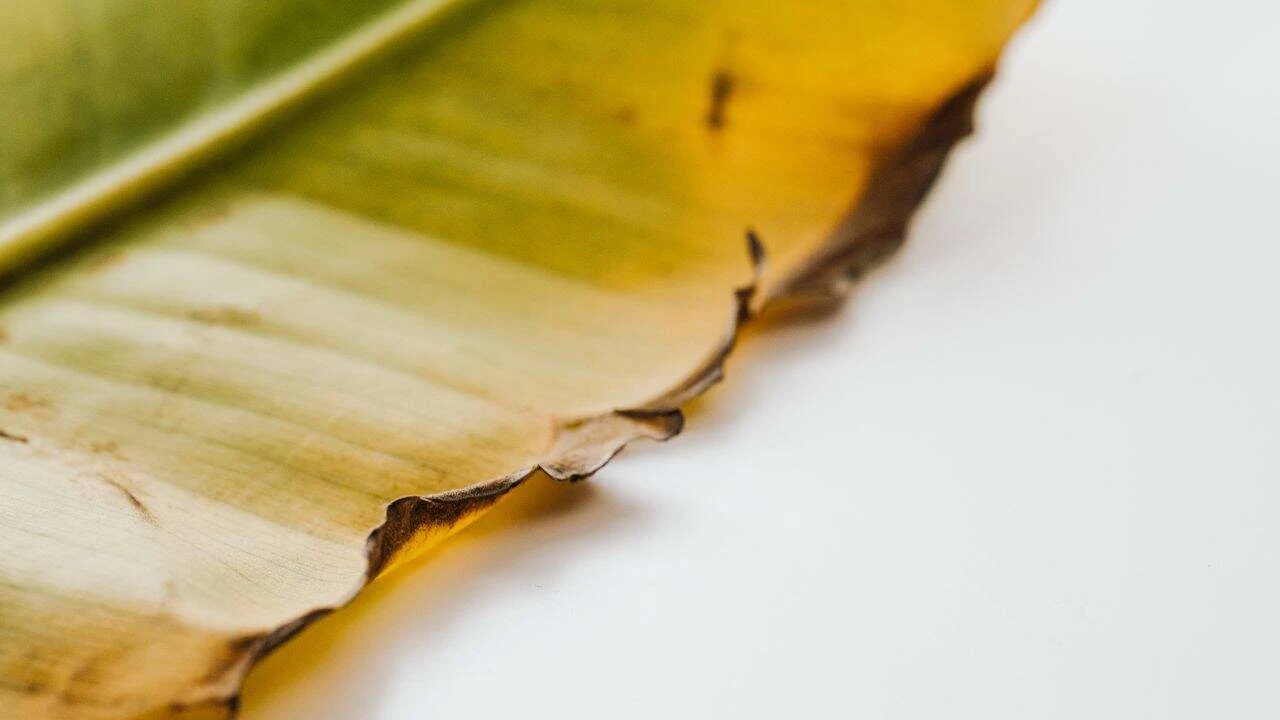
When the edges of leaves start browning and crisping up, it’s more than just summer sunburn. This is a classic sign that the plant’s water highway isn’t working as it should. Roots can’t keep pace with the amount of moisture the leaves are losing, so the outer margins — the furthest points from the water supply — are the first to dry out.
It often starts subtle, a faint tan edging on peppers or lettuce, then quickly progresses to crunchy borders if watering stays uneven. While heat adds to the effect, the root cause is almost always insufficient or inconsistent soil moisture.
4. Slow or Stunted New Growth

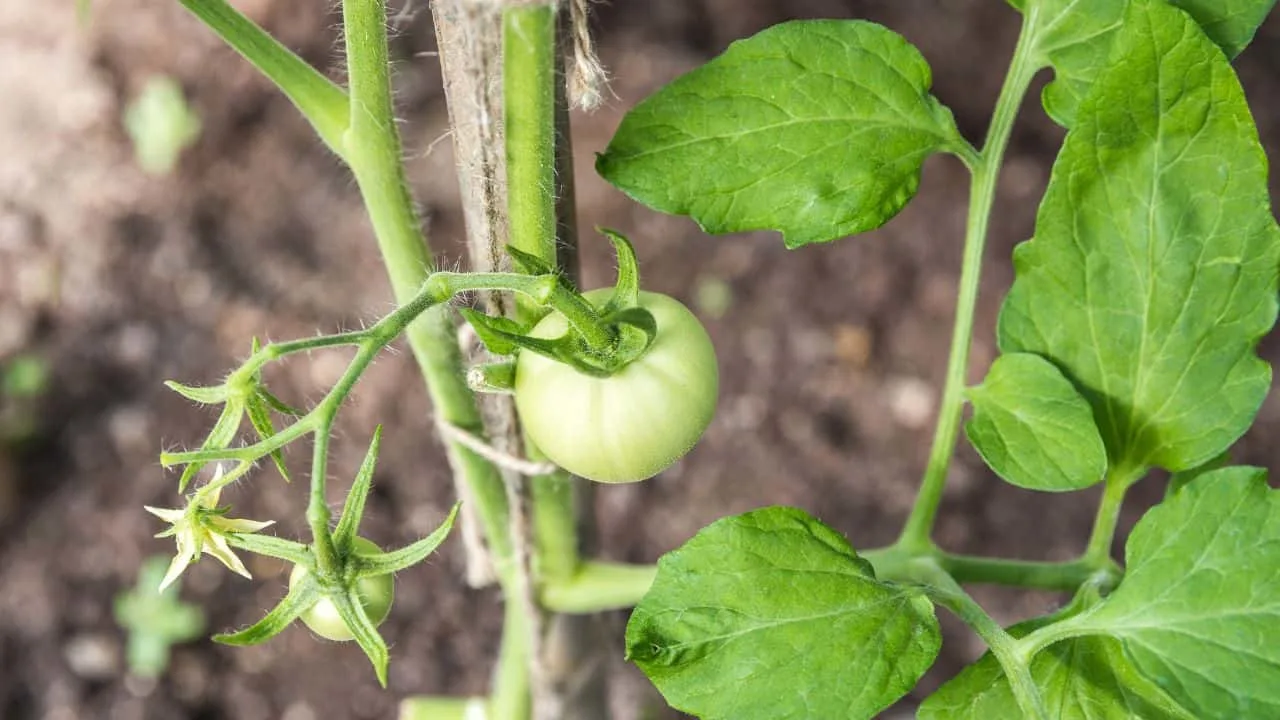
When plants hit a dry spell, the first thing they sacrifice is growth. New shoots stall, leaves come out smaller, and tips may look pale compared to the older foliage. It’s the plant’s way of putting survival ahead of expansion — conserving resources until conditions improve.
If you notice your tomatoes or beans suddenly “freeze” in development while older leaves look fine, that’s a water stress signal hiding in plain sight. The roots simply can’t deliver enough moisture to fuel new cells, so the plant presses pause.
5. Fruits Splitting or Cracking

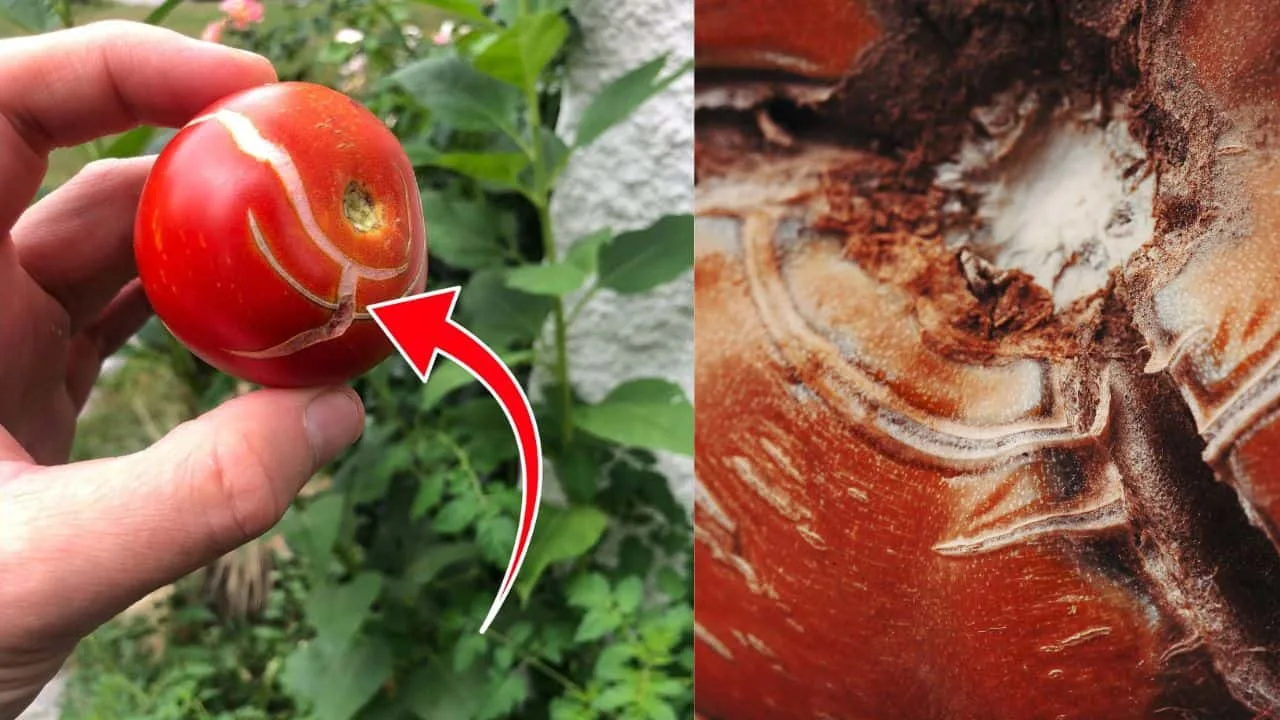
Few things feel worse than watching a perfect tomato or cucumber split open right before harvest. Cracking is the fruit’s dramatic reaction to uneven watering — a dry spell followed by a sudden soaking. The skin can’t expand fast enough, so it tears while the inside swells with water. Peppers, melons, and even eggplants sometimes show the same problem.
This isn’t just cosmetic, either. Once the skin breaks, pests and rot move in quickly. The damage is permanent, but spotting it in your garden is a huge clue that watering has been inconsistent.
6. Leaves Turning Dull Instead of Glossy
Healthy leaves usually shine a little in the sun. When plants run short on water, that natural sheen fades. Instead of perky and glossy, the surface turns flat and almost dusty looking. It’s a subtle sign, but it shows the cells inside the leaf aren’t fully hydrated.
This lack of turgor pressure (the water that keeps cells firm) makes leaves look lifeless even before they curl or crisp. Catching this early means you can fix the problem with steady watering instead of waiting for bigger stress signs to appear.
7. Soil Pulling Away from Pot Edges
In containers, the soil itself often gives the first cry for help. When it dries out too much, it shrinks and pulls away from the sides of the pot. That leaves little gaps where water runs straight down the edges and out the bottom without soaking in.
It’s one of the sneakiest causes of chronic plant thirst, because you may think you’ve watered generously when in reality the root ball stayed bone dry. Once this happens, it takes a slow, thorough soak to rehydrate the mix properly.
- Set the whole pot in a bucket or basin of water for 20–30 minutes to let the soil reabsorb.
- Add mulch on top of pots to reduce evaporation.
- Next time, water slowly so it penetrates before running off.
8. Blossom Drop
When flowers suddenly shrivel and fall before setting fruit, it’s the plant’s way of cutting losses. In hot, dry late-summer weather, water stress is often the trigger. The plant decides it cannot support new fruit while struggling just to keep its leaves hydrated, so it sheds blossoms to lighten the load.
It’s a frustrating sight because each fallen flower is a missed tomato, pepper, or bean you won’t get later. The good news is, once moisture levels are steady again, plants usually resume flowering without long-term harm.
9. Pest and Disease Vulnerability

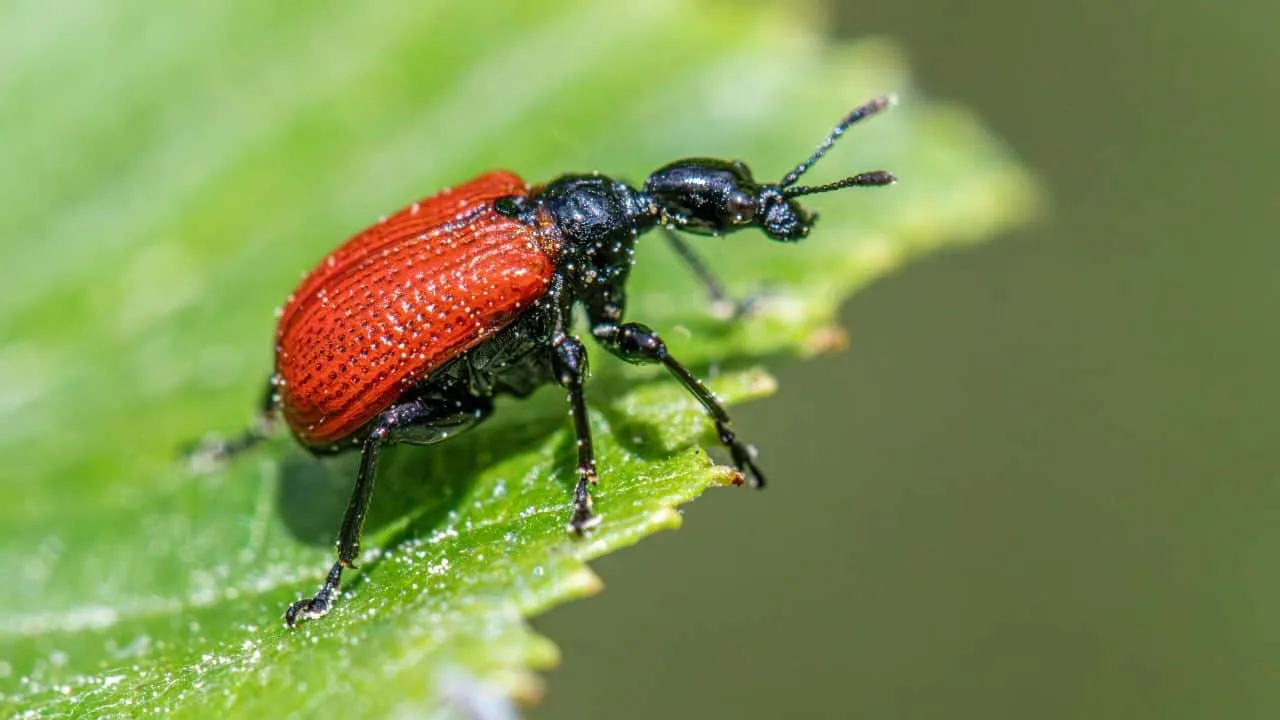
Thirsty plants are like easy targets waving a white flag. When they’re stressed, their natural defenses weaken, and that’s when opportunists move in. Spider mites, aphids, and even powdery mildew love a plant that’s already struggling with dry soil. The lack of vigor means slower healing, thinner cell walls, and fewer defensive compounds to fight back.
If you’ve noticed pests showing up right after a dry spell, it’s not bad luck — it’s biology. Moisture-stressed plants are softer hosts, and the invaders can sense it almost instantly.
How to Keep Plants Happy in the August Heat
Late summer doesn’t have to be a slow march toward wilt and disappointment. Most of the signs you just read through are warnings, not final verdicts. Plants are resilient, and with steady watering, mulching, and a bit of observation, they bounce back faster than you might expect. The real trick is to act before stress becomes damage — don’t wait until leaves are crisp or fruit has split open.
Think of your watering habits as preventative care rather than emergency treatment. Deep, consistent soaks do more good than a dozen rushed sprinkles, and mulch is your best ally in keeping soil moisture locked in. Once you learn to read these subtle distress signals, you’ll start catching problems days earlier, saving yourself both harvest and headaches.
In the end, the August sun may bully your garden, but it doesn’t get the final say. With the right habits, you can keep your plants strong, hydrated, and thriving all the way to fall.
🌿 Key Takeaways
- Plants show clear SOS signs before it’s too late — wilting at noon, curling leaves, dull foliage, and split fruit are all red flags.
- Uneven watering is often the root cause, and it snowballs into nutrient issues, stalled growth, and even pest attacks.
- Steady soil moisture, mulch, and smart zone-based watering habits keep stress at bay and plants resilient in late summer heat.


Daniel has been a plant enthusiast for over 20 years. He owns hundreds of houseplants and prepares for the chili growing seasons yearly with great anticipation. His favorite plants are plant species in the Araceae family, such as Monstera, Philodendron, and Anthurium. He also loves gardening and is growing hot peppers, tomatoes, and many more vegetables.