

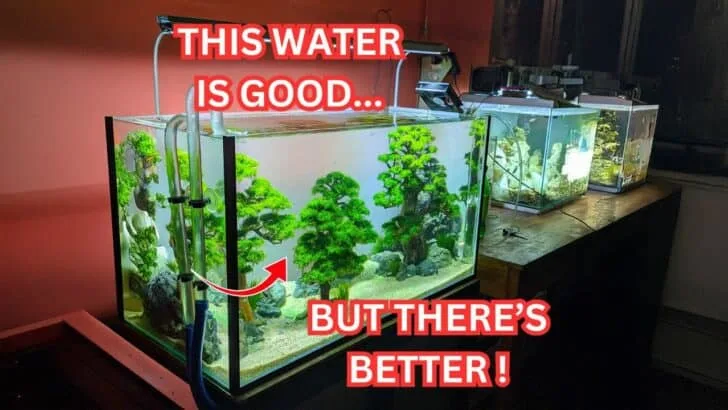
Most gardeners focus on how often to water, not what kind of water they are pouring. Yet the type of water you use can quietly shape how well your plants grow. Some sources are packed with minerals, others with salts, and a few are practically liquid gold for greenery.
In this guide we’re ranking nine different kinds of water from the least helpful to the absolute best. Number 1 is the most “meh” choice, while number 9 is the true plant pleaser.
1. Tap Water

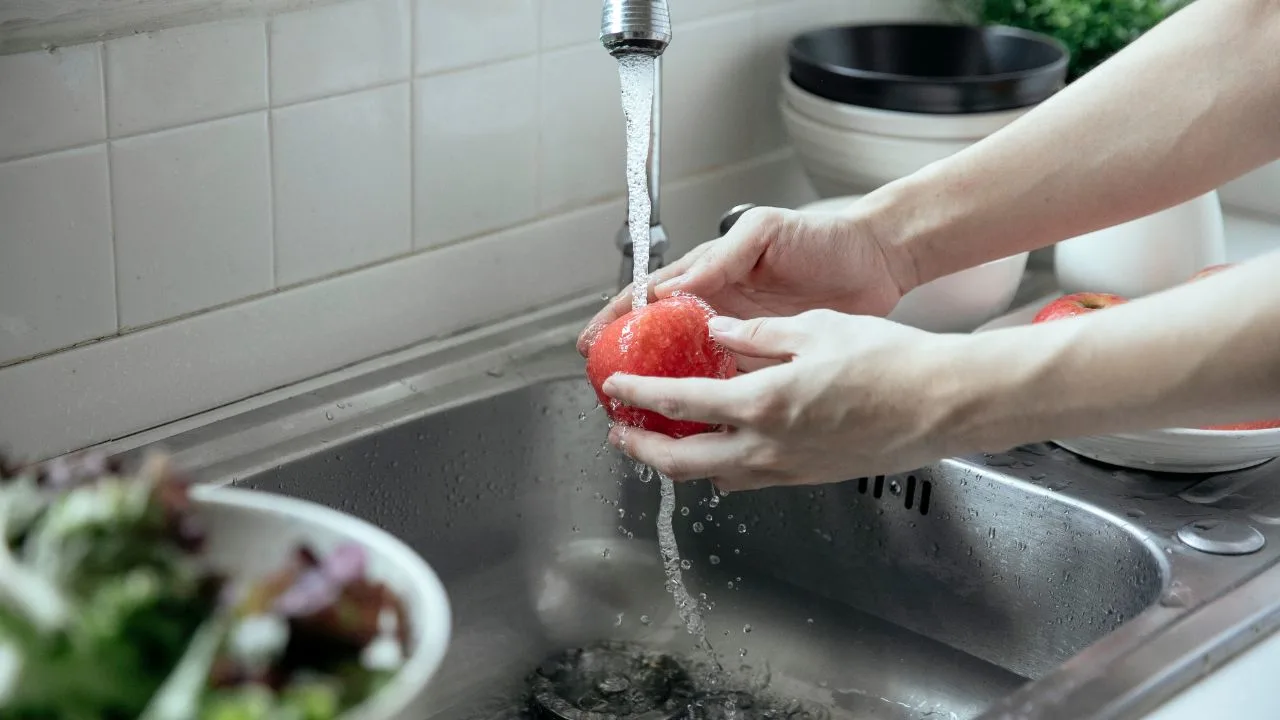
Most gardeners rely on tap water without a second thought. It’s there, it’s easy, and it gets the job done. But while tap water works fine for many outdoor beds, it can be a mixed bag for houseplants. The issue isn’t the water itself, it’s what’s in it. Municipal water is often treated with chlorine to kill germs and sometimes fluoride to protect teeth. Great for people, not so great for plants.
Chlorine can irritate roots over time, and fluoride is notorious for leaving its mark on plants like spider plants, dracaenas, and peace lilies. The result is crispy brown tips that look like your plant has been sneaking cigarettes. Hard water also leaves mineral deposits that crust soil and pot edges, turning them into salt licks. Some plants don’t mind—succulents often cope fine—but orchids and ferns may start protesting quietly.
That said, millions of gardens thrive on tap water every day. The trick is knowing when to give your plants a little extra care to offset what comes from the faucet.
🌿 Tap Water Tips
- 💧 Let it sit overnight in an open container. Chlorine evaporates on its own, making the water gentler.
- 🪴 Fluoride-sensitive plants (spider plants, dracaenas, peace lilies) are the first to show stress. Watch for browned leaf tips.
- 🌱 Hard water lovers: succulents and cacti don’t mind the extra minerals. Hard water haters: orchids and ferns, who like things softer.
- ⚖️ If you’re unsure about your tap, a cheap water test kit will tell you if the pH and hardness are in the danger zone.
2. Softened Water
Softened water sounds fancy, but for plants it’s more like salty soup. Water softeners swap calcium and magnesium for sodium, and that sodium ends up in your water. Too much salt around roots stops them from absorbing water, leaving plants thirsty even when the soil looks wet.
For us, softened water feels silky in the shower. For plants, it means leaf burn, stunted growth, and salty crusts on the soil. Rain may wash sodium out of outdoor beds, but indoor pots just keep collecting it. Tough plants like snake plants may cope for a while, but ferns and azaleas give up quickly.
If softened water is your only option, you can manage it with a few tricks. Just avoid making it the main drink for every plant you grow.
💧 Softened Water Survival Guide
- 🚫 Avoid using it for houseplants, especially salt-sensitive ones like ferns, orchids, and azaleas.
- 🌧️ Mix with rainwater if possible to dilute the sodium load.
- 🪣 Leach pots monthly by flushing with plenty of plain water to wash excess salts out of the soil.
- 🌿 Tough customers like jade plants or pothos can handle it better than most, but it’s still not ideal long-term.
3. Distilled Water
Distilled water is the clean freak of the hydration world. It’s boiled into steam and condensed back into liquid, leaving behind minerals, chemicals, and impurities. On paper, it sounds perfect: no chlorine, no fluoride, no surprise minerals in your soil. Just pure H₂O. But plants actually need some minerals, and without them the soil carries the full load. Over time, your plants can start to look a little washed out.
Some houseplants, especially picky ones like orchids, carnivorous plants, and calatheas, love distilled water because they’re sensitive to tap chemicals. For them, distilled is like a custom skincare routine. But if you water a tomato patch with only distilled, you may see weaker growth than neighbors using mineral-rich rainwater or well water. It’s clean, yes, but sometimes too clean.
The trick is balance. Distilled water works well for delicate plants, but most greenery will do better if you mix it with a more mineral-friendly option now and then.
🔬 Distilled Water Tips
- 🌱 Best for sensitive plants like orchids, calatheas, and carnivorous plants.
- 🧪 Lacks minerals, so supplement with fertilizer if it’s your main water source.
- 🥤 Not ideal for outdoor gardens—big feeders like tomatoes or roses may struggle without extra nutrients.
- 💡 Mix it up with rainwater or filtered water for a healthier mineral balance.
4. Aquarium Water

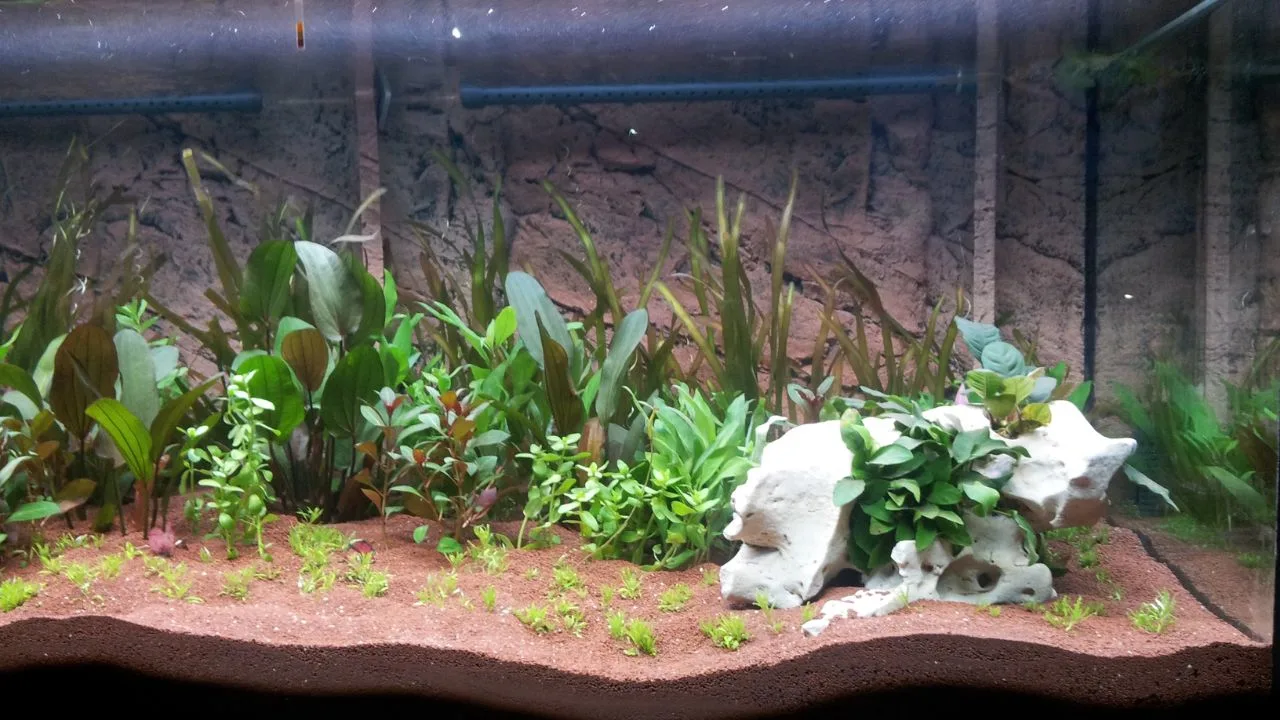
Aquarium water is basically liquid compost tea for plants. Every time you change your fish tank, you’re tossing out a nutrient soup of fish waste, uneaten food, and dissolved minerals. To your plants, that’s like a surprise buffet. Nitrogen, phosphorus, potassium—it’s all in there, naturally brewed. Houseplants, herbs, and leafy greens lap it up like it’s a Michelin-starred drink menu.
But—and it’s a big but—not all aquarium water is created equal. Freshwater tanks give you a safe, mild fertilizer that most plants adore. Saltwater or marine setups? Instant plant disaster. The salt levels will fry roots faster than you can say “goodbye, petunia.” Even with freshwater tanks, go easy. Too much of a good thing can lead to nutrient overload or funky soil smells. Think of it as a supplement, not a replacement.
Used wisely, aquarium water is one of the best hidden tricks in a gardener’s toolkit. Your fish help your plants, and your plants help keep your water changes guilt-free. That’s what I call teamwork.
🐠 Aquarium Water Tips
- 🌿 Best for leafy houseplants and herbs that enjoy a nutrient boost.
- 🚫 Never use saltwater aquarium runoff—it will kill most plants instantly.
- ⚖️ Use in moderation—alternate with regular water to avoid nutrient buildup.
- 🐟 Great for sustainability—turns fish waste into garden gold.
5. Boiled and Cooled Water

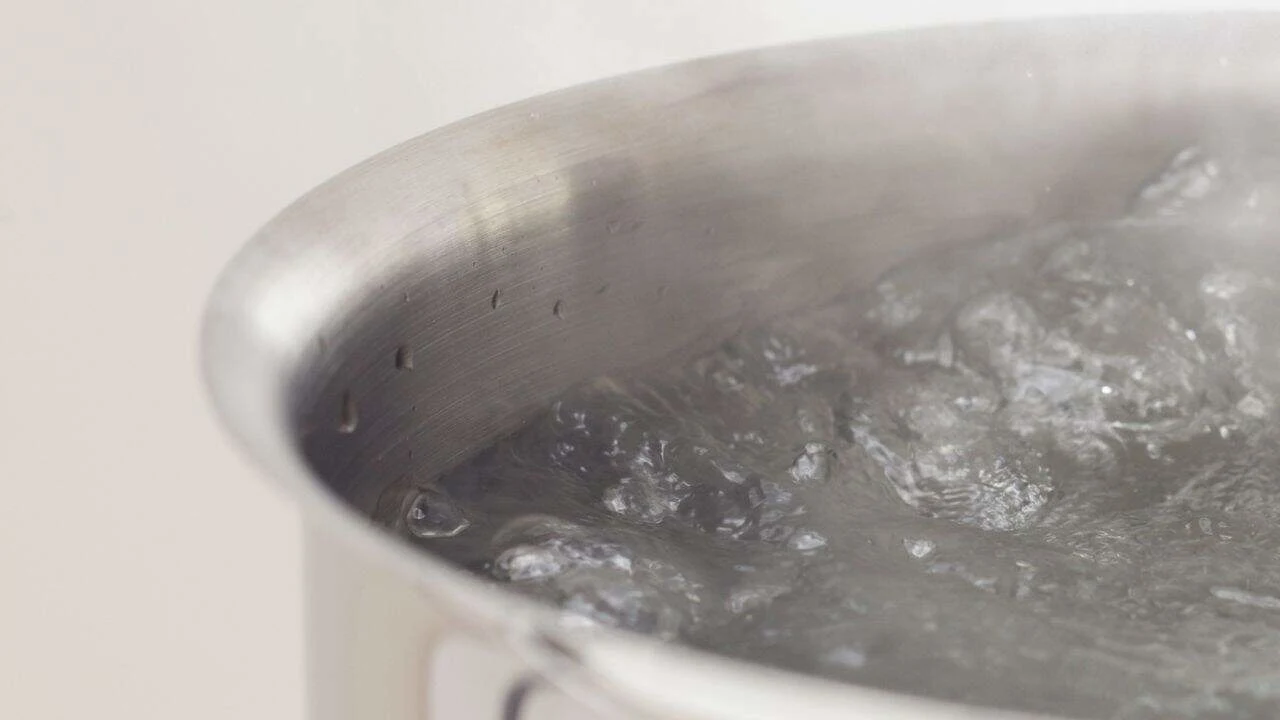
This is the old-school grandma trick that still works. Boiling water forces chlorine to evaporate, and once it cools you get a gentler drink for your plants. For sensitive types like ferns, orchids, and many houseplants, it’s a lifesaver compared to harsh tap water. Roots aren’t hit with chemicals, and leaves often look greener and perkier afterward.
You don’t need to go full tea-kettle every time. Boiled water isn’t magic; it just removes chlorine and softens the hit for picky roots. The downside is that it doesn’t add minerals back. Over time, plants that crave calcium or magnesium may come up short. Think of it as “treat water” rather than your main routine. A kettle batch now and then keeps finicky plants happy without spiking your energy bill.
If you’ve had a peace lily with brown tips or a calathea that sulked, boiled water might be the peace offering that wins them back.
☕ Boiled Water Tips
- 🌱 Best for picky houseplants like peace lilies, ferns, and calatheas.
- 💧 Removes chlorine but not fluoride—some sensitive plants may still react.
- ⚡ Use occasionally to pamper plants, not as your everyday water source.
- 🔥 Always cool fully before watering—lukewarm baths are for humans, not roots.
6. Filtered Water (Brita/RO)

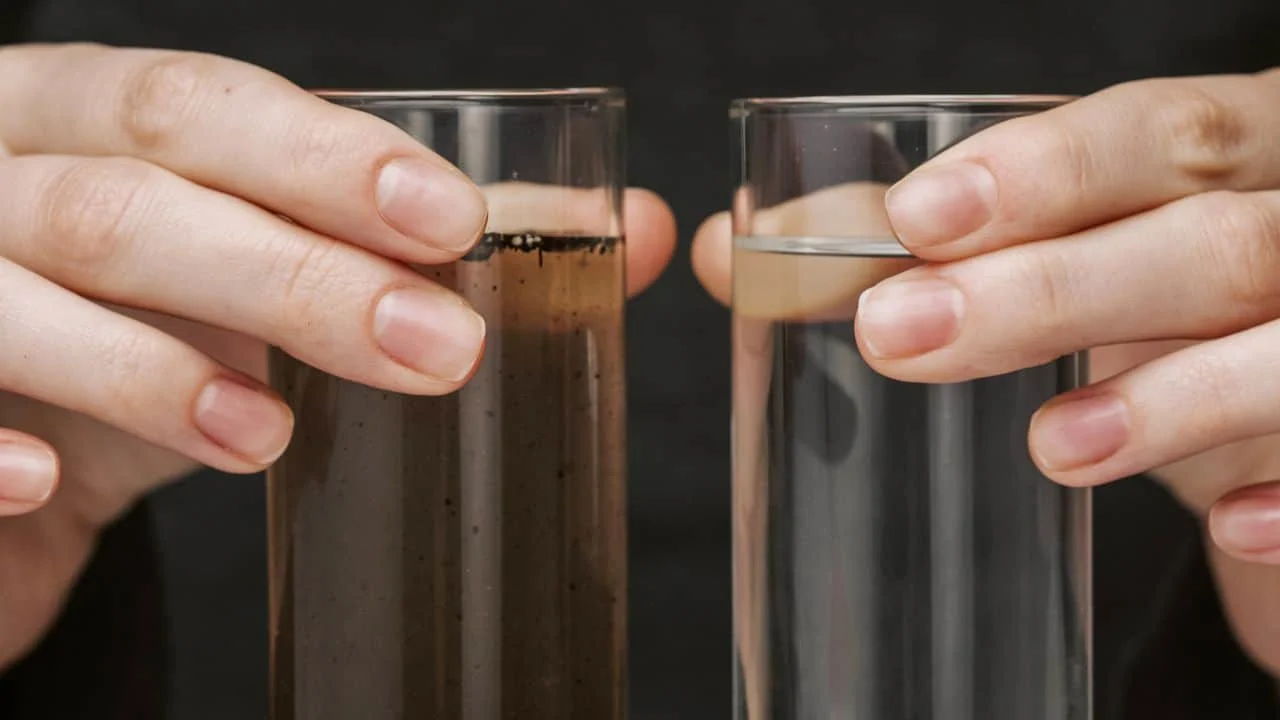
Filtered water is the middle-class hero of plant hydration. A Brita jug or reverse osmosis system strips out chlorine, heavy metals, and other things lurking in tap water. What’s left is cleaner, more neutral water that doesn’t make sensitive plants panic. Houseplant divas like calatheas or African violets often show fewer crispy edges and brighter leaves.
The catch is that filtering doesn’t add minerals. RO water removes nearly everything, which can leave plants feeling like they’re living on salad without dressing—technically fine, but bland. If you use it all the time, you may need to add fertilizer or supplements to keep nutrients in balance. Think of filtered water as a reset button: clean, safe, but sometimes too stripped-down for the long haul.
If your local tap water smells like a swimming pool or leaves white crusts on pots, filtered water might be your plants’ ticket to calmer, greener days.
💧 Filtered Water Tips
- 🌿 Best for sensitive houseplants that hate chlorine and hard water buildup.
- ⚖️ Too pure? Add nutrients through fertilizer to avoid deficiencies.
- 🪴 RO vs Brita: RO is more thorough but strips almost everything, while Brita just takes the edge off.
- 💦 Mix with tap water if you want to balance minerals with purity.
7. Well Water

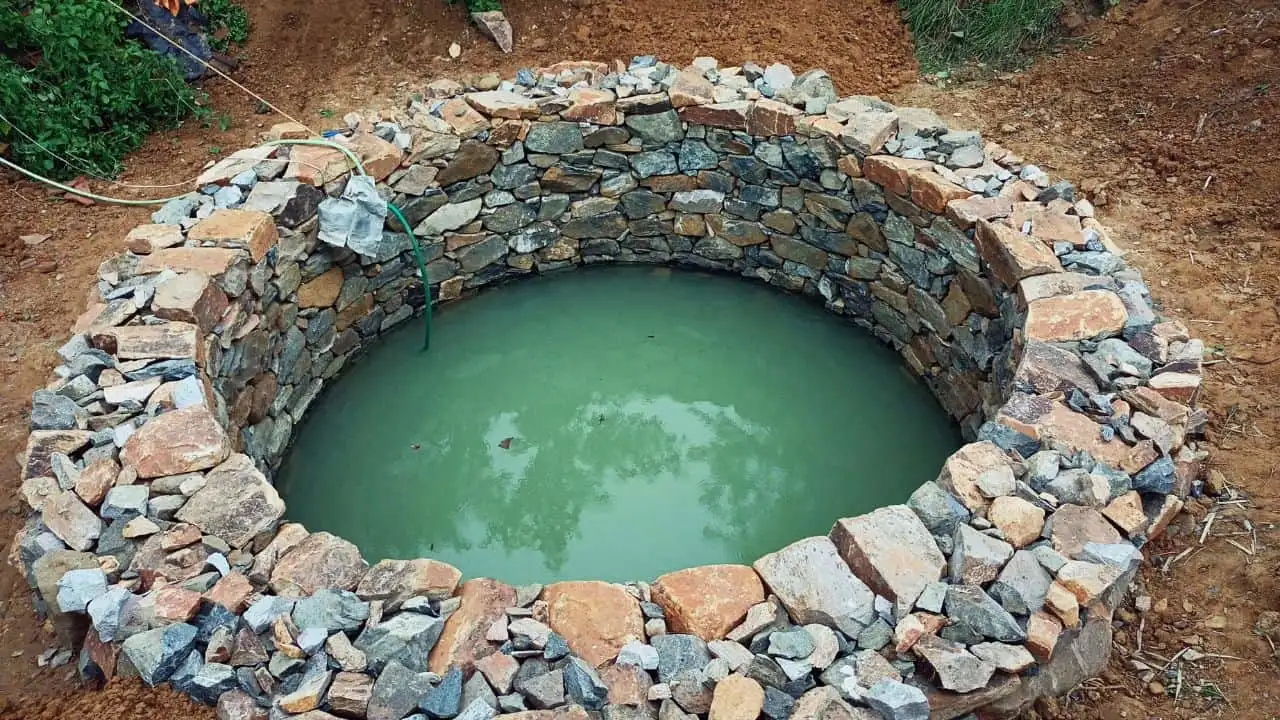
Well water feels like the most back-to-the-land option you can give your plants. It comes straight from underground, often carrying minerals that can give your soil a boost. Calcium, magnesium, and even a touch of iron are common, and many plants love this buffet. Tomatoes and peppers, for example, often grow stronger and suffer less blossom end rot when calcium is present.
The catch is that well water isn’t the same everywhere. In some places it’s liquid gold, in others it’s a chalky soup that leaves crusty rings on pots and clogs soil with salts. Some wells also run acidic or alkaline, which can change hydrangea bloom colors or stress plants that prefer neutral soil. It’s not a dealbreaker, but you need to know what you’re working with.
The smartest move is to have your well water tested once in a while. It’s cheap, quick, and gives peace of mind whether you’re giving your roses a mineral spa or slowly brining your basil.
💧 Well Water Tips
- 🥒 Great for veggies like tomatoes and cucumbers if calcium and magnesium are present.
- 🌸 Watch your hydrangeas: well water pH can swing their flower color.
- 🧪 Test regularly to check pH and hardness—you’ll save yourself headaches later.
- 🚰 High salts? Mix with rainwater to balance things out.
8. Snowmelt


Snowmelt is like nature’s slow-drip watering can. When it finally thaws, you’re left with water that’s soft, gentle, and closer to rainwater than anything else. It doesn’t come with the chlorine baggage of tap water or the salty punch of softened water. For most houseplants and garden favorites, it’s a free seasonal treat.
The problem? It’s seasonal. You either live in a place where snowmelt is abundant for weeks, or you’re scraping together a bucket from the last pile left in your yard. And unless you collect it clean (not off the street or your salty driveway), it can carry pollutants or road grit you don’t want anywhere near your orchids or seedlings.
Still, if you’ve got a fresh patch of untouched snow, melting it down can give your thirsty indoor plants something almost as good as a rain shower in February. It’s not worth the trouble to stockpile, but as an occasional winter boost, it’s a win.
❄️ Snowmelt Tips
- 🌿 Safe for houseplants—especially ones sensitive to salts.
- 🥀 Avoid dirty piles near roads, sidewalks, or driveways (salt danger).
- 🌱 Seedlings love it since it’s as soft as rainwater.
- 🪣 Collect fresh snow, not the gray slush at the bottom of the heap.
9. Rainwater

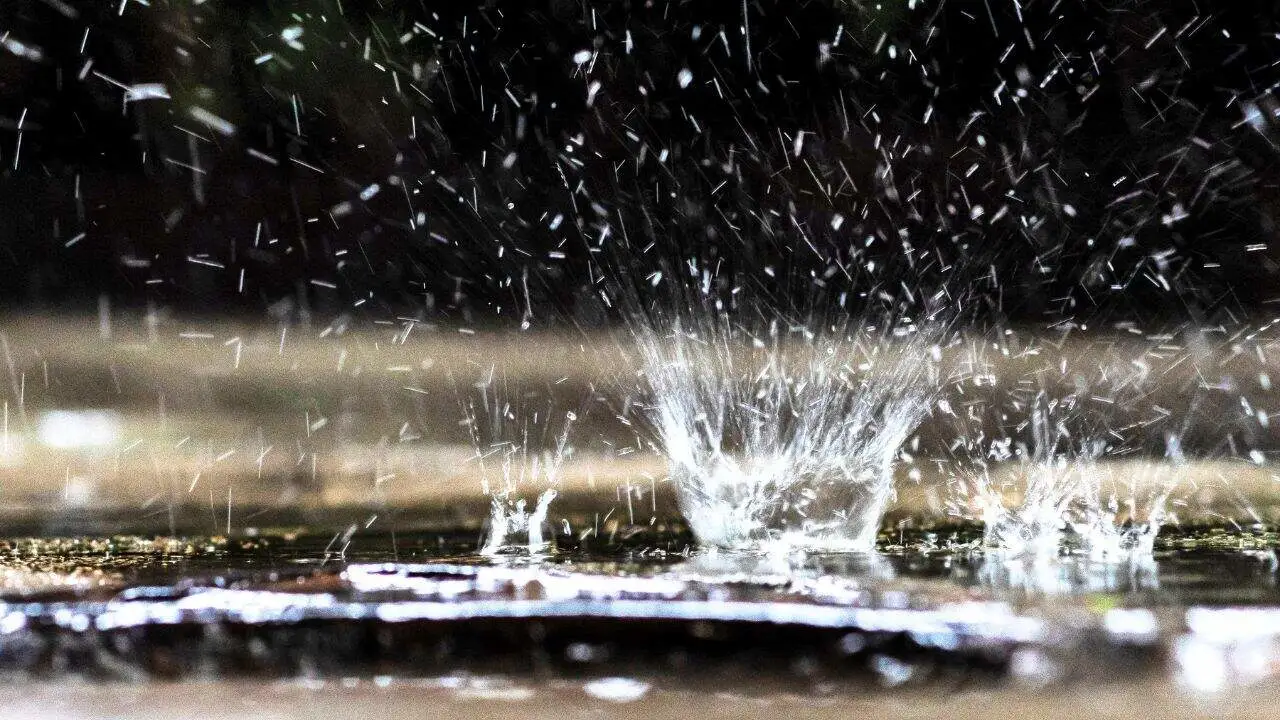
Rainwater is the gold standard for plants. It’s soft, naturally oxygenated, and free of the additives that make tap water a headache for picky species. When a summer storm rolls through, your garden perks up instantly because this is the stuff plants were designed to drink. It rinses the dust off leaves, recharges the soil, and soaks roots without leaving behind chlorine or fluoride residue.
The only real catch? Collecting it. Not everyone has a barrel under the gutters or the right setup to store it safely. If you just let it pool in a bucket, you’ll soon be raising mosquitoes instead of happy houseplants. And in some urban areas, air pollution can add a bit of “extra seasoning” to your rainwater, though for most home gardeners it’s still far cleaner than the tap.
For finicky houseplants like calatheas, orchids, and ferns, rainwater is practically magic. Outdoors, every plant from roses to tomatoes thrives on it. If you’re lucky enough to collect and store it properly, you’ve basically got the ultimate free plant elixir on tap.
🌧️ Rainwater Tips
- 🌿 Best for picky houseplants like calatheas and orchids.
- 🪣 Use a rain barrel with a screen to keep out bugs and debris.
- ⚠️ Empty standing buckets to avoid mosquito problems.
- 🏡 Polluted areas? A quick filter makes rainwater even safer.
2 Waters Plants Dislike
1. Gray Water
Gray water from sinks, showers, or laundry carries soaps, detergents, and oils. These residues burn roots, block soil pores, and can leave leaves with scorch marks. Tough outdoor shrubs may tolerate small amounts, but houseplants and edible beds are at high risk.
If you reuse it, do so sparingly and only on hardy ornamentals. Rotate with fresh water and keep it off foliage to prevent buildup and leaf burn.
🚫 Gray Water Tips
- 🧼 Avoid on edibles and houseplants.
- 🧴 Use biodegradable, low sodium soaps if gray water is unavoidable.
- 🌿 Limit to hardy ornamentals in well drained soil.
- 🚿 Flush with fresh water occasionally to rinse residues from soil.
2. Pool Water
Pool or hot tub water contains high chlorine and often algaecides. These chemicals damage roots, yellow leaves, and wipe out helpful soil microbes. A stray splash is not a crisis, but routine use around pots or beds leads to stalled growth.
Do not use pool water as a regular source. If you must drain a pool, route it far from garden areas and rinse any splashed plants with fresh water.
☠️ Pool Water Tips
- 🚫 Never use as a main water source.
- 💀 Chlorine and algaecides harm roots and soil life.
- 🌱 Occasional splash is fine if rinsed quickly with fresh water.
- 💧 Drain pools away from garden beds.
The Watering Truth
Not all water is equal, and your plants know it. Some handle the chlorine hit of tap water, others sulk unless they get the softness of rain. Pay attention to what they tell you. Crispy leaves, stunted growth, or odd yellowing often point to the water more than the soil or light.
This list gives you the big picture, but there is no single rule. Zones, climates, and setups all change what counts as the “best” water. If your spider plant thrives on tap, leave it be. If your calathea rolls its leaves, it might be asking for rainwater or distilled.
In the end, plants are like us. Some guzzle happily from the faucet, others prefer the finest spring water. Give them what suits them best and they will reward you with steady, healthy growth.
💧 Key Takeaways
- Tap water is fine for many plants, but fluoride and chlorine bother picky houseplants like calatheas and dracaenas.
- Softened water is loaded with salts that can fry roots over time. Keep it far away from pots and beds.
- Distilled or filtered water is safest for finicky plants but lacks minerals. Supplement with a gentle fertilizer now and then.
- Aquarium water is liquid fertilizer for foliage plants, but skip it if your setup is marine or salty.
- Rainwater still reigns supreme — it’s soft, balanced, and exactly what most plants evolved to drink.
- Know your garden — different zones and conditions mean the “best” water varies. Always watch how your plants respond.


Daniel has been a plant enthusiast for over 20 years. He owns hundreds of houseplants and prepares for the chili growing seasons yearly with great anticipation. His favorite plants are plant species in the Araceae family, such as Monstera, Philodendron, and Anthurium. He also loves gardening and is growing hot peppers, tomatoes, and many more vegetables.