

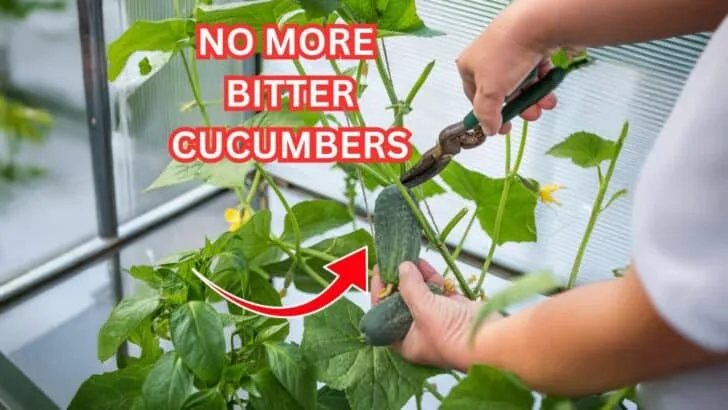
“This cucumber tastes like aspirin.” Not the feedback you hope to hear when you proudly serve a homegrown harvest. But by late August, plenty of gardeners get that same shock — expecting cool crunch, getting bitterness instead.
When cucumbers turn bitter, it is not bad luck, it is stress talking. Hot days, wild swings in watering, and fruits left hanging a little too long all flip the switch on those bitter compounds. The plant is just trying to protect itself, but your taste buds pay the price.
This guide digs into why bitterness strikes now, how to spot where it hides in the fruit, and the tricks that tame it. Some fixes you can try today, others will set you up for a sweeter crop next year.
1. What Bitter Cucumbers Actually Are

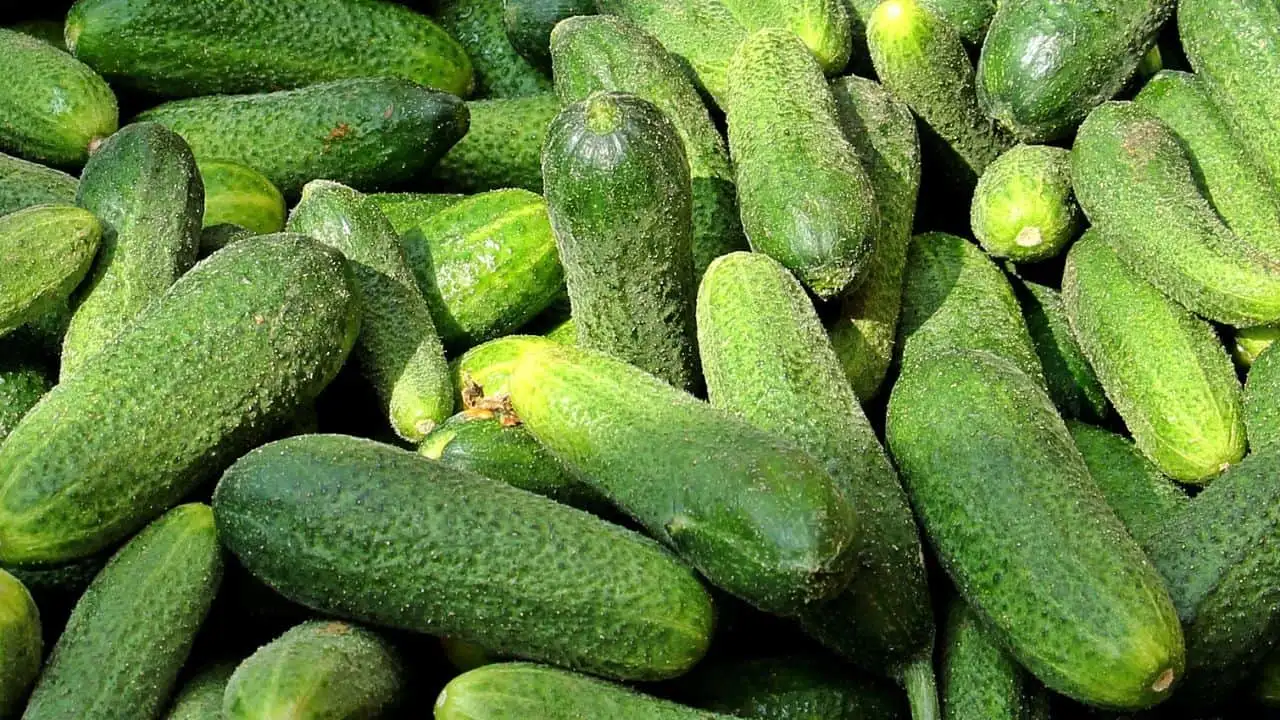
That nasty aspirin taste does not come from garden gossip, it comes from a family of compounds called cucurbitacins. They’re nature’s way of saying “back off” to pests and grazers. Wild cucumbers are loaded with them, which is why no one in their right mind snacks on those.
In the cucumbers you plant for salads and pickles, breeders have dialed cucurbitacins way down so you get refreshing crunch instead of a chemical sting. But the plant still carries the recipe. When it gets stressed — heat, drought, neglect — it flips the switch and pumps those compounds back into the fruit. That’s when your cucumber salad suddenly tastes like a bad pharmacy trip.
2. Why August Brings Out the Worst

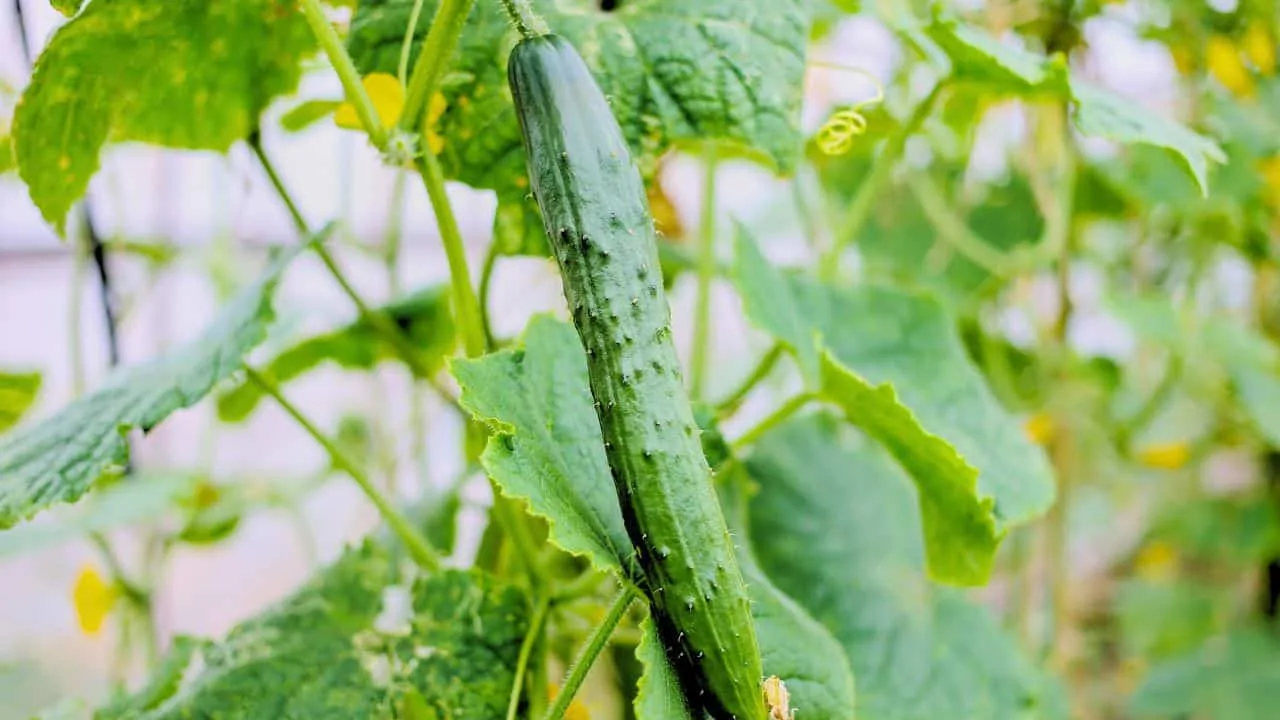
August turns cucumbers into drama. Heat stacks up, soils dry, then a storm rolls through and fruits swell in a hurry. That one two punch tells the plant to go into defense, and bitterness is part of that response.
Fruits are also at peak size now, which means thin skins and swift changes show up fast. Leave them hanging a bit too long during these swings and the harsh notes creep in first.
📌 Snapshot
- Heat spikes raise plant stress.
- Dry then drench makes fruits swell too fast.
- Extra hang time during swings pushes bitterness near skin and stem.
Big idea keep conditions steadier and timing tighter.
3. Where the Bitterness Shows First
Bitterness doesn’t spread evenly through a cucumber. It usually camps out at the stem end, where stress hormones pool first. The skin carries a lot of it too, which is why peeling can sometimes turn a “nope” cucumber into a snackable one.
Occasionally you’ll slice into a fruit and find one end sweet, the other grimacing with that aspirin tang. That uneven punchline is just how cucurbitacins move through the fruit under stress.
🥒 Quick Check
- Stem end almost always the most bitter bite.
- Skin carries more compounds than the core.
- Split personalities are common half bitter, half sweet cucumbers happen.
👉 Taste a thin strip from the stem end before committing to the whole salad.
4. The Watering Connection
Cucumbers are drama queens when it comes to water. Leave them in a dry patch too long, then drown them with a big soak, and the fruits respond by cranking up their cucurbitacins. That rollercoaster “desert then flood” cycle is one of the fastest ways to turn a sweet cucumber into a bitter one.
Keeping the soil moisture steady is less exciting, but it keeps cucumbers calm. A well-mulched bed acts like a buffer, evening out the highs and lows so the plants don’t panic-produce those bitter compounds.
💧 Water Wisdom
- Consistent moisture prevents cucurbitacin surges.
- Mulch holds water in the soil and keeps roots cool.
- Shallow roots make cucumbers extra sensitive to dry spells.
👉 Think “steady sips,” not “gallon gulps,” and your cucumbers will thank you with sweetness.
5. Does Variety Matter?
Some cucumbers just handle stress better than others. The “burpless” types and many modern hybrids are bred to keep their cool, staying mild even when summer heat and dry spells pile on. Meanwhile, traditional slicers and pickling cucumbers are tougher in texture but often the first to turn bitter when August gets rough.
If bitterness seems to haunt your harvest every season, it may not be your watering habits at all — the variety itself could be setting you up for disappointment. Picking the right type is a game-changer.
🥒 Variety Check
- Burpless hybrids stay mild even in hot spells.
- Pickling cucumbers often show bitterness fastest in heat.
- Older heirlooms may be flavorful but riskier in August stress.
👉 Sometimes the sweetest fix is simply planting a sweeter variety.
6. What You Can Do Right Now

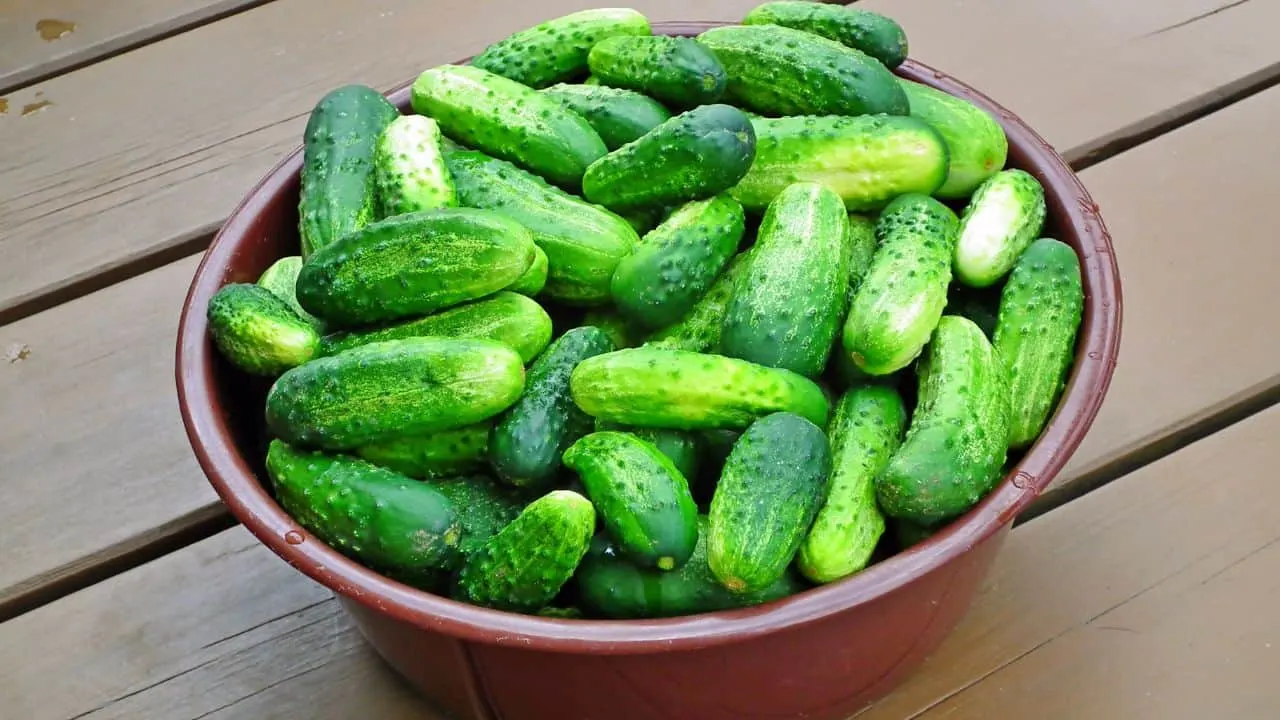
Bitter cucumbers don’t mean the season is lost. Small tweaks today can keep the next harvest crisp and refreshing. Harvest fruits while they’re still young — the longer they sit, the more stressed they get, and the more bitterness creeps in. Mulching locks in steady soil moisture, and if the sun feels like it’s baking your plants alive, a little afternoon shade can save both flavor and sanity.
The key is reducing stress on the vines in real time. Cucumbers are drama queens, but if you keep them comfortable, they’ll reward you quickly.
🌞 Quick Fixes at a Glance
- Harvest earlier to catch fruits before bitterness builds.
- Mulch the soil to hold steady moisture levels.
- Provide shade during extreme heat to cool stressed vines.
👉 A little extra care this week can mean sweet cucumbers on the table tomorrow.
7. Setting Yourself Up for Sweet Success
If this year’s cucumbers turned into bitter medicine, think of it as homework for next season. Some varieties naturally resist stress better. Modern “burpless” hybrids are bred for sweetness, while tough little picklers tend to throw tantrums in the heat. Setting up a drip irrigation line or soaker hose makes watering automatic and even, removing the yo-yo stress that fuels bitterness. And during scorching weeks, daily picking keeps vines from holding oversized fruits that trigger cucurbitacin overload.
In other words, you can engineer your way out of bitter cucumbers. It’s not luck, it’s setup.
🌱 Bonus Tip
Cucumbers trained up a trellis stay cooler, get better airflow, and often hold their sweetness longer than those sprawling on hot soil.
Keeping Cucumbers Sweet in the Dog Days of Summer

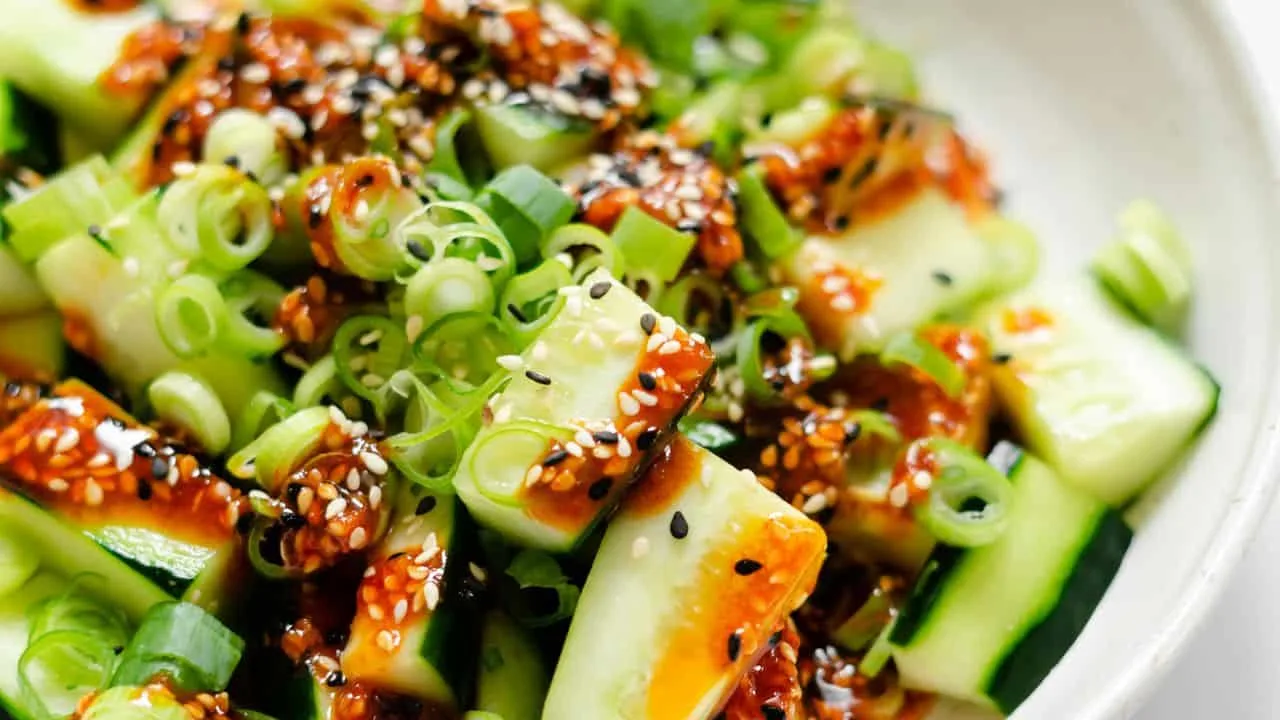
Bitter cucumbers aren’t proof that you failed as a gardener. They’re just cucumbers showing stress in the only way they know how. Heat waves, irregular watering, and overripe fruits all push those cucurbitacin levels higher, turning your cool snack into something closer to cough syrup. The good news is that bitterness is avoidable with steadier care, earlier harvesting, and smarter variety choices.
With a bit of planning now and a sharper strategy next season, your cucumbers can stay crisp, refreshing, and salad-ready. Even when August is throwing its worst heat your way.
🌿 Key Takeaways
- 🥒 Bitterness is a stress signal, not a bad seed problem. Heat swings and uneven moisture flip the switch.
- 🌡️ August stacks the deck with hot afternoons, dry spells, and sudden soaks that push cucurbitacins higher.
- 🔪 Taste is worst at the stem end and in the peel. Peel first, test a strip, salvage what you can.
- 💧 Sweetness likes steady habits. Mulch for moisture, water evenly, pick on time instead of letting fruits linger.
- 🌱 Variety choice matters. Burpless hybrids keep their cool more reliably than old slicers and many picklers.
- 🧭 Plan ahead. Drip lines, trellises, and daily harvests during heat waves keep flavors clean and crisp.


Daniel has been a plant enthusiast for over 20 years. He owns hundreds of houseplants and prepares for the chili growing seasons yearly with great anticipation. His favorite plants are plant species in the Araceae family, such as Monstera, Philodendron, and Anthurium. He also loves gardening and is growing hot peppers, tomatoes, and many more vegetables.