

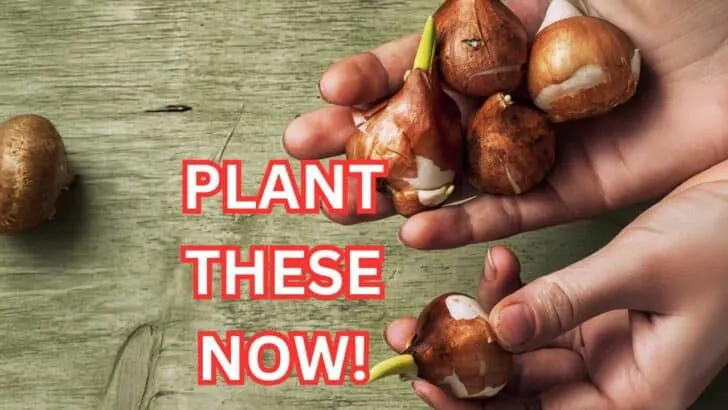
Planting bulbs is like setting a secret timer for your garden. You tuck them into the soil now, and months later they erupt into daffodils, tulips, and hyacinths as if by magic. Wait too long, though, and the show never happens. The bulbs either dry out in storage or miss their chance to root before winter clamps down.
That’s why late August is the moment to act. Today’s effort decides whether you’ll be staring at bare soil in spring or a yard bursting with color. Here’s what happens if you plant now—and what you risk if you don’t.
1. Why August Bulb Planting Decides Your Spring

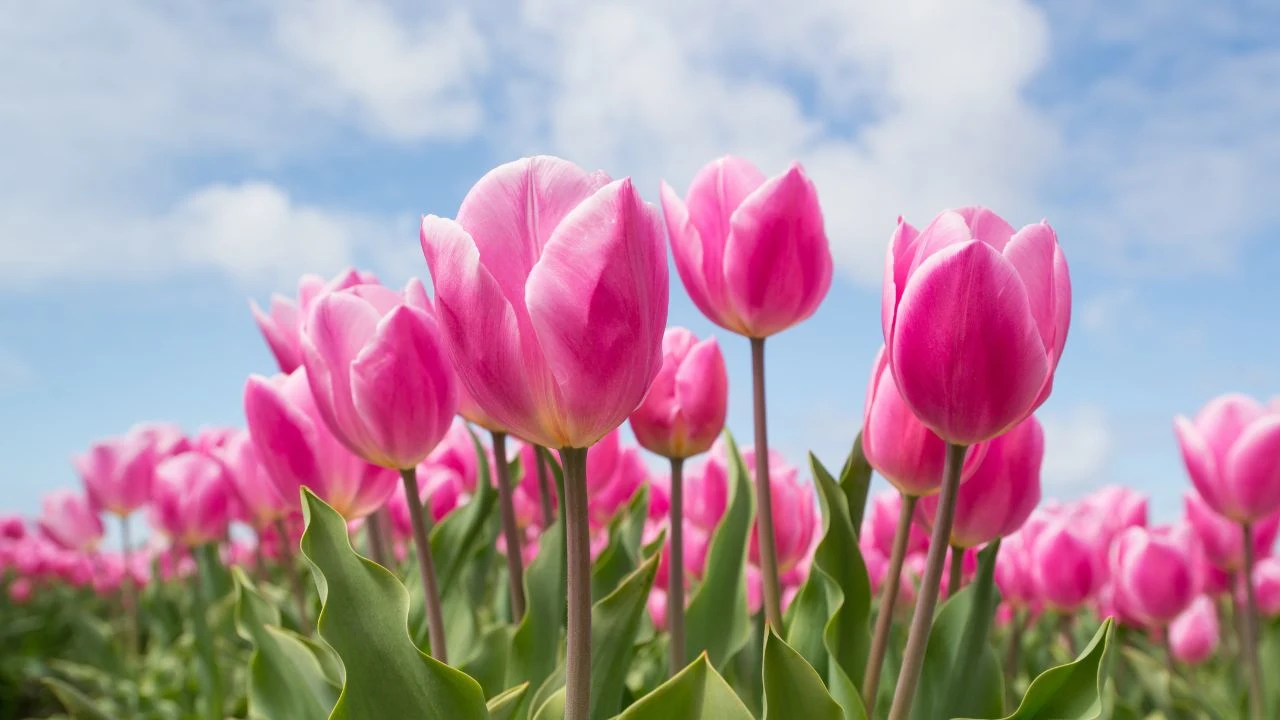
Fall bulbs are the quiet planners of the garden world. Think tulips, daffodils, crocuses, hyacinths—plants that sleep underground all winter, then burst awake in spring when everything else is still yawning. They’re called fall bulbs because you plant them now, while the soil is still workable, but they actually bloom months later. The cold period they sit through is what triggers their growth. Skip that, and they just sit there sulking like forgotten onions in a pantry.
The reason August through October is so critical is that bulbs need time to grow roots before the ground freezes. Without that head start, they don’t have the energy to fuel those big spring flowers. Plant too early, and they may sprout when you don’t want them. Plant too late, and the frost locks them out before they even begin.
2. What Happens If You Wait Too Long
Fall bulbs operate on a biological clock, not your calendar. Once dug from the fields and packaged for sale, they carry a limited reserve of energy that only lasts so long. If they sit too long on a shelf or in your garage, that energy gets depleted. The result? Bulbs that either never sprout, or push out a few weak leaves without producing flowers. Even if they do manage to survive, their long-term health is compromised, making them more likely to rot or vanish after one disappointing season.
Timing matters because bulbs require a natural cold period to trigger flowering. Without those winter weeks underground, they fail to “reset” and bloom properly come spring. Planting late means they either miss that cycle entirely or scramble to catch up in poor soil conditions, leaving you with stunted plants that never live up to their potential.
- Energy loss: Bulbs dry out and lose stored nutrients over time.
- No chill time: Skipping the cold season = no flower trigger.
- Rot risk: Late planting often means colder, wetter soil that encourages rot.
- False hope: Garden centers profit from “rescue bulbs” in spring, but these rarely flower.
Pro tip: Treat fall bulbs like bread, not canned goods. The fresher they go in the ground, the better your results will be.
3. The Best Bulbs to Plant Right Now

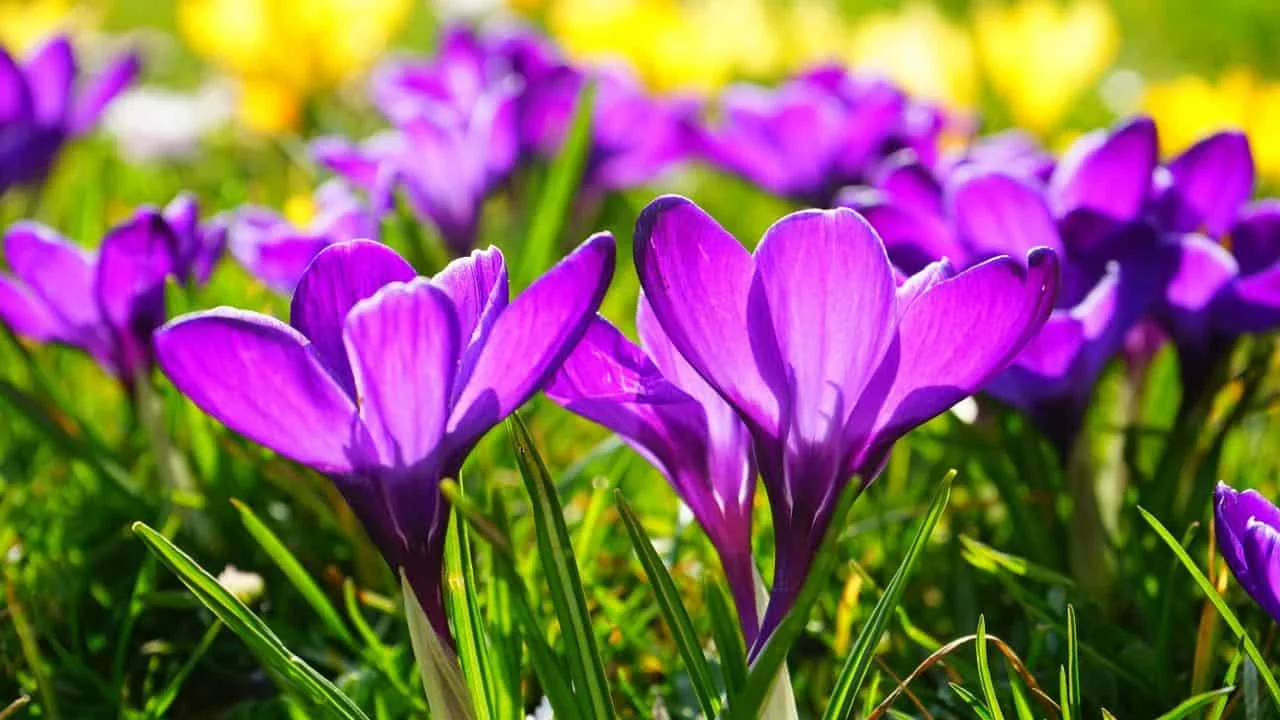
Not all bulbs are created equal when it comes to fall planting. Some are forgiving and will bloom no matter what, while others demand just the right timing and conditions. To make sure your spring display doesn’t flop, it pays to pick the right mix of classics and hidden gems. Here’s a breakdown of which bulbs to prioritize right now, and how they line up with your gardening zone.
- Daffodils (Zones 3–8): Tough, forgiving, and critter-resistant. They multiply each year, so one purchase keeps paying off.
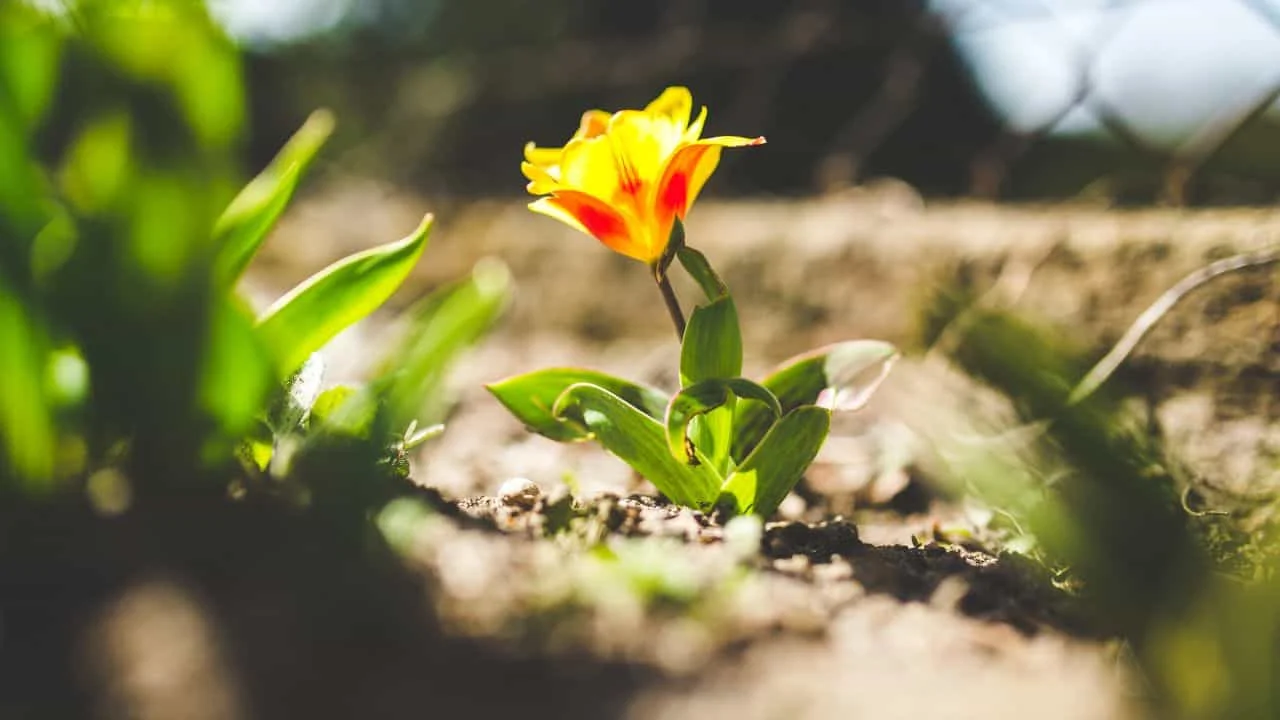
- Tulips (Zones 3–7): Gorgeous but fussy. They need that long cold period and often fade after a season or two unless treated as annuals.
- Crocus (Zones 3–8): Small but mighty. These early bloomers often poke up through snow, signaling the true start of spring.
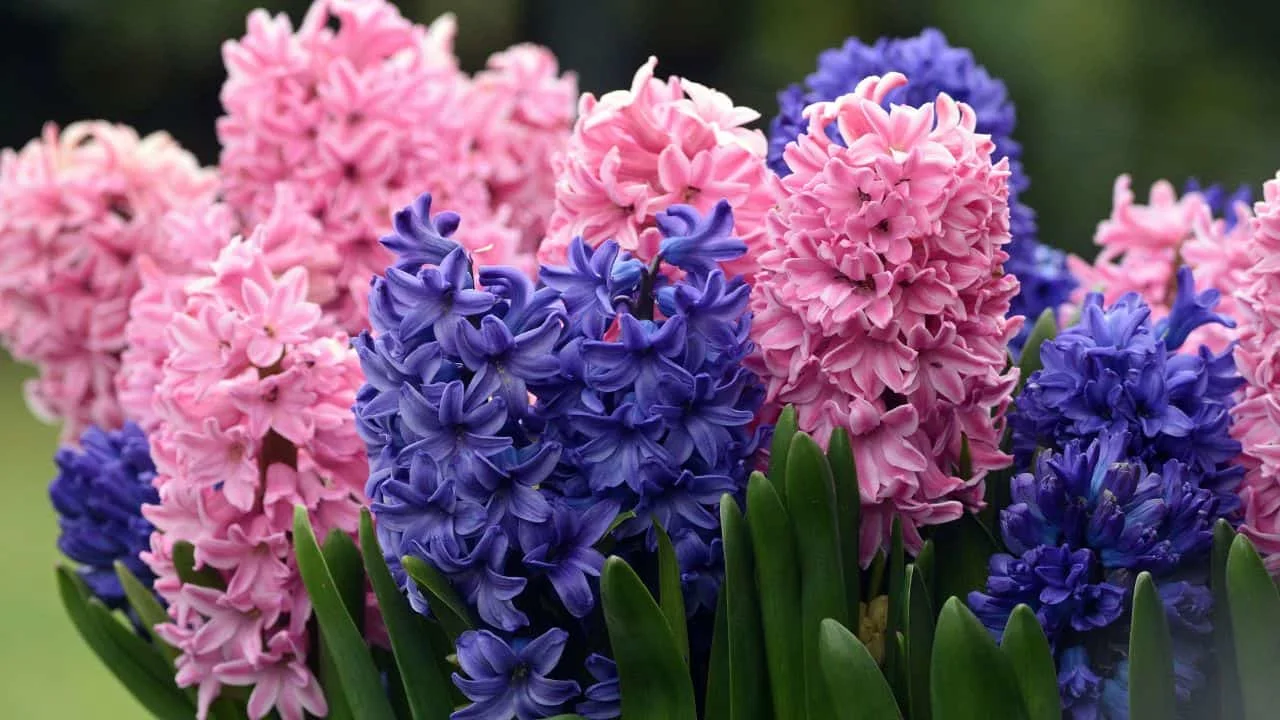
- Hyacinths (Zones 3–9): Famous for fragrance. Best planted in groups near paths or doors where you’ll catch their scent.
- Alliums (Zones 4–9): Dramatic globe-shaped flowers on tall stems. Deer and rodents avoid them, making them a reliable choice.
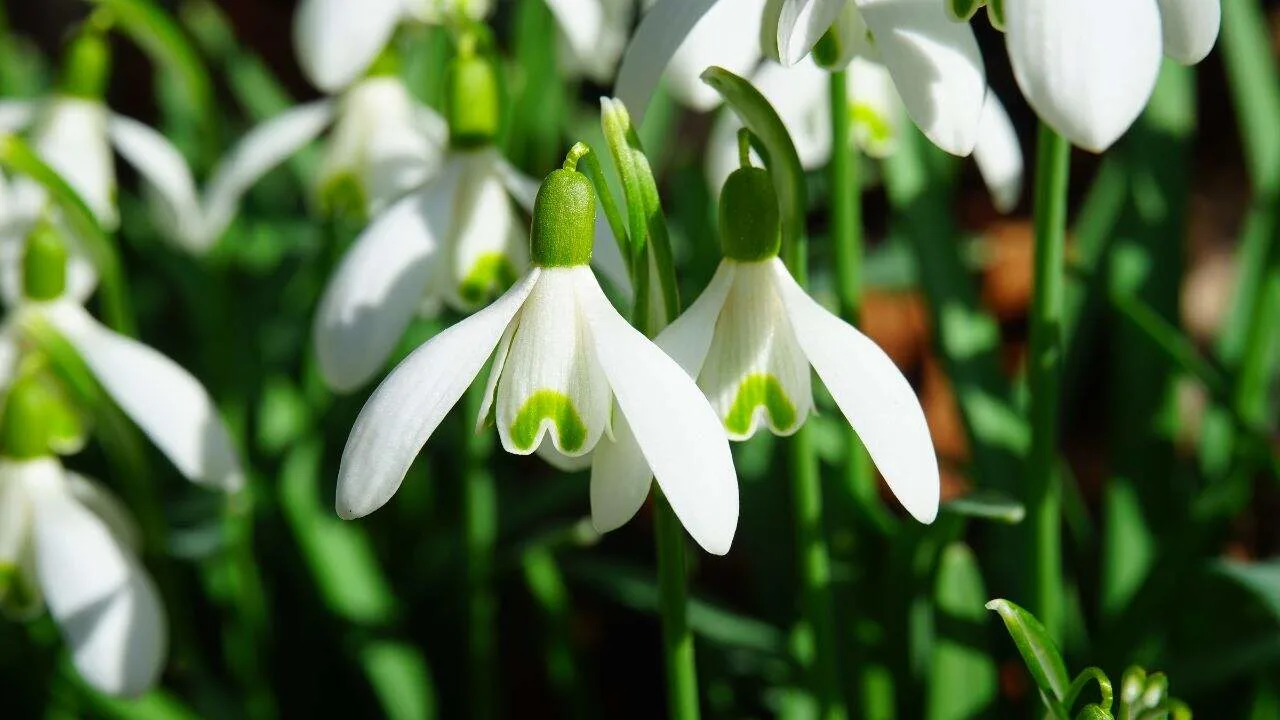
- Snowdrops (Zones 3–8): Among the very first to bloom. They thrive in woodland settings or tucked under shrubs.
- Fritillaria (Zones 4–8): Unusual bell-shaped flowers. Some varieties, like Crown Imperial, even repel pests.
- Zones 3–5: Focus on hardy daffodils, crocus, and early tulips. These handle deep freezes well.
- Zones 6–7: You can grow almost any fall bulb. Mix daffodils, tulips, hyacinths, and alliums for extended bloom.
- Zones 8–9: Stick with heat-tolerant options like hyacinths, alliums, and some daffodils. Chill tulips in the fridge for 6–8 weeks before planting.
Pro tip: Buy bulbs early in the season. The biggest, firmest bulbs always sell out first, and size directly affects bloom quality.

4. How to Plant for Guaranteed Spring Blooms

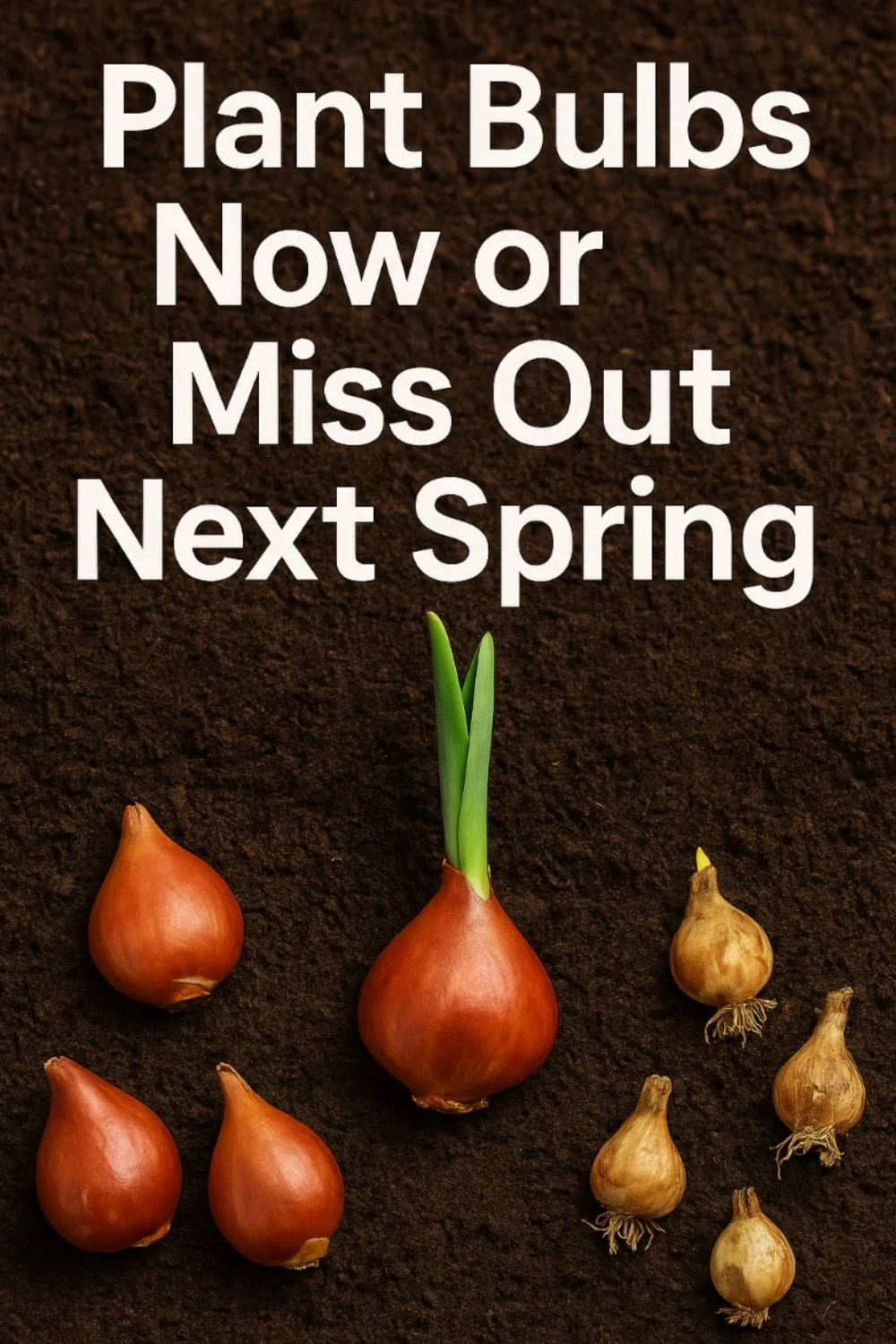
Buying bulbs is the easy part — planting them correctly is where most gardeners slip up. Too shallow and frost heaves them out of the soil. Too deep and they waste all their energy trying to break through. Get the basics right now, and you’ll be rewarded with strong, reliable blooms once spring rolls around.
- Depth rule: Plant bulbs at a depth of 2–3 times their height. A 2-inch crocus bulb should sit 4–6 inches deep, while a 3-inch daffodil goes 6–9 inches.
- Pointy side up: That’s the stem end. Roots sprout from the flat base, so orientation matters more than people think.
- Group in clusters: Skip the single soldier look. Plant 7–12 bulbs in a clump for the natural “drift” effect that makes spring gardens look lush.
- Soil prep: Loosen the planting bed and mix in compost. Bulbs hate compacted soil and will rot if water pools around them.
- Watering: Give a thorough soak after planting to settle the soil around the bulbs. After that, only water if fall is unusually dry.
- Mark your spots: Use plant markers or even golf tees to remember where bulbs are hiding — easy to forget once the soil looks bare again.
- Layer planting: Stack bulbs of different depths in the same hole (e.g. tulips above daffodils, crocus on top). This creates multi-level color in spring.
- Critter defense: If squirrels raid your garden, lay chicken wire flat over the planting area before covering with soil. Bulbs sprout right through it, but pests can’t dig in.
5. Caring for Bulbs After Planting
Once the bulbs are tucked into the ground, most people walk away and forget them until spring. That works sometimes, but if you really want big, reliable blooms, a little aftercare now goes a long way. Think of it as tucking your bulbs into bed with a blanket and a snack before winter sets in.
- Mulch lightly: A 2–3 inch layer of shredded leaves or straw insulates bulbs and prevents frost heaving.
- Water once more: If the fall is dry, give bulbs a deep soak to help roots establish before the ground freezes.
- Don’t fertilize yet: Skip the fertilizer at planting time — wait until spring growth emerges to feed.
- Leaf cover bonus: Fallen leaves raked over bulb beds act as a natural mulch and slowly enrich the soil.
- Mark your bulb zones: Note them in a journal or snap a quick photo. It saves you from digging them up accidentally when spring planting fever hits.
- Zone note: In colder regions (Zones 3–5), mulch is essential. In warmer climates (Zones 8–9), bulbs still benefit from light cover but don’t need as much insulation.
6. The Secret to Bulbs That Return Stronger

Planting bulbs isn’t just about this fall or next spring. If you play it right, those same patches of soil can reward you year after year with stronger, bigger, and even more reliable blooms. The secret? Think like a long-term investor. You’re not just planting flowers, you’re building a portfolio of bulbs that keeps paying out if you treat it well.
- Rotate your spots: Don’t plant tulips in the same place forever — they weaken over time. Switch things up with daffodils or alliums in the same bed.
- Feed in spring: Once green shoots poke out, apply a low-nitrogen bulb fertilizer. That’s when bulbs actually need the fuel.
- Let the leaves die back naturally: Resist the urge to tidy up too soon. Leaves are how bulbs recharge for the next year.
- Zones 3–5: Stick to super-hardy bulbs like crocus, daffodils, and Siberian squill. Mulch heavily after the first frost.
- Zones 6–7: You’ve got the widest range — tulips, hyacinths, daffodils, alliums, and specialty bulbs all thrive with steady care.
- Zones 8–9: Skip traditional tulips unless you’re okay replanting every year. Focus on paperwhites, amaryllis, or heat-tolerant daffodils.
Where to Buy Quality Bulbs
Not all bulbs are created equal, and seasoned gardeners know which suppliers deliver the strongest blooms. Here are some tried-and-true favorites worth checking out this fall:
Trusted Bulb Sources
- Van Engelen & John Scheepers – Excellent quality bulbs with fair pricing. Van Engelen is great for bulk orders, while John Scheepers is perfect if you want smaller quantities.
- Breck’s – A classic supplier known for large, healthy bulbs that outperform most garden-center stock.
- ColorBlends – Famous for their curated mixes that deliver show-stopping spring displays without guesswork.
- Holland Bulb Farms – Great for bulk packs and seasonal collections, often with bonus bulbs included.
The Payoff for Planting Bulbs Now

Missing the bulb window now means missing that breathtaking flush of color next spring. But the good news is, planting bulbs isn’t difficult — it’s mostly about timing and consistency. Get them in the ground this fall, give them a little care, and they’ll quietly work through the winter, ready to burst out when the days warm again.
It’s one of the rare gardening payoffs where you plant once and enjoy the rewards for years. A bit of digging now sets the stage for a spring garden that feels effortless, fresh, and alive.
🌱 Key Takeaways
- Fall bulbs are a gardener’s way of planting tomorrow’s joy today — a small effort now means effortless spring color later.
- Timing matters more than anything else. A few weeks too late, and bulbs won’t root properly before frost.
- Think long-term: many bulbs naturalize, meaning they’ll return (and even multiply) year after year with very little help.
- Pick bulbs suited to your zone, tuck them in with mulch, and let winter do the work. Your spring self will thank you.


Daniel has been a plant enthusiast for over 20 years. He owns hundreds of houseplants and prepares for the chili growing seasons yearly with great anticipation. His favorite plants are plant species in the Araceae family, such as Monstera, Philodendron, and Anthurium. He also loves gardening and is growing hot peppers, tomatoes, and many more vegetables.