

It’s the Fourth of July. The flags are flying, the grills are fired up, and across the country, gardens are doing their best impression of baked lasagna. Flowers are crisping, leaves are drooping, and somewhere in the distance, someone is rage-watering their front lawn like it owes them money.
But maybe the problem isn’t your hose. Maybe it’s your plant list.
Earlier this year, California garden designer Jan Nelson sketched out a low-water planting plan for the Ben Lomond Fire Station — built entirely around plants that can handle the brutal, dry summers of the Santa Cruz Mountains. No fuss, no begging for shade, just tough plants that actually want to live there.
🌱 Key Takeaways
- 🌡️ “Drought tolerant” doesn’t mean no water — it means built for your climate
- 🧭 Stop forcing plants that hate your region — start planting like you live there
- 📍 The best plants are the ones already thriving with zero effort
- 🌎 Every zone has tough, gorgeous options — if you match them to your conditions
- 🧠 Knowing your sun, soil, and seasons beats any garden tag or trend
That’s the kind of thinking more of us need. Because when it comes to surviving summer in the garden, it’s not about babying your plants through heatstroke. It’s about picking the ones that don’t need rescuing in the first place.
What “Drought Tolerant” Gets Wrong
“Drought tolerant” sounds magical. Like you can toss a plant in gravel, forget about it for six weeks, and it’ll still reward you with flowers. But let’s be real — that’s not how it works.
The truth is, no plant survives without water. Not even the so-called tough ones. What people really mean when they say “drought tolerant” is this: the plant is naturally built to survive in dry climates. It evolved there. It expects the dry spells. It has deep roots or thick leaves or waxy coatings that help it wait out the rough patches.
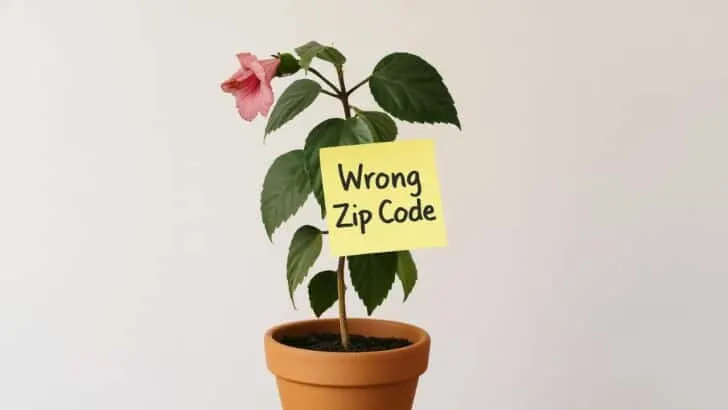
But — and this is the part most folks skip — just because a plant is drought tolerant in one zone doesn’t mean it’ll thrive in yours. What works in California chaparral might flop in Georgia humidity or Minnesota clay.
That’s why the smarter question isn’t “How little can I water this?” It’s “Was this plant meant to live here?”
Climate-Smart Planting by Region
If you want your plants to thrive without you turning into a full-time sprinkler, you’ve got to think local. Not just USDA hardiness zone — we’re talking soil, humidity, sun intensity, and all the weird microclimate stuff your yard throws at you.
Here’s what climate-smart planting looks like across a few major regions — and some plants that don’t need hand-holding:
🌵 Southwest (Zones 9–10)
Hot, dry, and unapologetically sunny. These are desert-adapted plants that know how to survive on fumes:
- Penstemon – bright blooms and serious drought tolerance
- Agave – tough, sculptural, needs zero babying
- Desert Willow – summer bloomer that laughs at heat
- Salvia greggii – nonstop flowers, pollinator magnet
- Lavender – smells good, grows better in dry soil
- Texas Ranger – native shrub that thrives after rainstorms
🌴 Southeast (Zones 7–9)
Here, it’s not just hot — it’s sticky. Plants need to tolerate heat and humidity without turning into mildew soup:
- Beautyberry – native shrub with purple berries and pollinator power
- Swamp Hibiscus – loves wet feet and makes giant tropical-looking flowers
- Southern Wax Myrtle – evergreen, low fuss, good in coastal areas
- Coral Bean – flashy red flowers and hummingbird-friendly
- Joe Pye Weed – big, bold, and made for damp summers
- Florida Anise Tree – shade-tolerant and deer-resistant
🌻 Midwest & Northeast (Zones 5–6)
Cold winters, soggy springs, hot summers — you want plants with staying power that don’t flinch when the weather turns weird:
- Echinacea – reliable, resilient, and beloved by bees
- Baptisia – gorgeous blue flowers, deep roots, zero drama
- Black-Eyed Susan – a garden workhorse that blooms like it means it
- Bee Balm – fragrant, pollinator favorite (look for mildew-resistant types)
- Prairie Dropseed – ornamental grass that handles both heat and cold
- New England Aster – fall flowers that light up your borders
🌲 Pacific Northwest (Zones 7–8)
Drought isn’t the only issue here — it’s also about soggy winters, heavy shade, and moisture-holding soil:
- Salal – native groundcover, evergreen, and built for shade
- Red-Twig Dogwood – loves wet roots and puts on a winter stem show
- Sword Fern – the fern that never dies (in the best way)
- Oregon Grape – evergreen, spiky, and yellow blooming
- Western Trillium – spring bloomer for shady woodland beds
- Camassia – native bulb that handles wet winters and dry summers
Bottom line? Don’t ask what’s trending on garden blogs — ask what’s been quietly thriving in your region for the last few hundred years.
“Right Plant, Right Place” Isn’t a Cliché — It’s a Survival Strategy
Every gardener’s heard it. Most ignore it. But “right plant, right place” isn’t some fluffy garden-center catchphrase — it’s how you stop throwing money at mulch-covered regrets.
You plant lavender in soggy shade? It rots. You stick swamp hibiscus in sand? It sulks. You try to grow a Midwest prairie flower on a Texas rock pile? That thing’s not even going to try.
The best test? Take a look around your garden right now. What’s actually thriving — not just surviving — without constant help? That’s your shortlist. Everything else needs to earn its spot or get replaced.
Want to get serious about this? Here’s a quick backyard gut check:
- 🕶️ Is your garden mostly sun or mostly shade?
- 💦 Is the soil heavy and wet, or sandy and dry?
- 🌡️ Do your summers feel like a sauna or an oven?
- ❄️ Does winter hit hard or just gently tap out?
If you can answer those four things, you already know more than half the folks browsing the garden center. You don’t need to memorize Latin names. You just need to stop planting things that hate your yard.
Plant Like You Actually Live There
Back in California, Jan Nelson sketched out a planting plan for a fire station that’ll bloom in red, white, and blue — but she didn’t fill it with thirsty show-offs. She picked plants that belong there. Plants that can take the heat, the dry soil, and the long summers without collapsing into compost.
That’s the energy. Doesn’t matter if you live in Arizona, Georgia, or Michigan — your garden gets easier when you stop planting like you’re somewhere else.
Because summer isn’t the enemy. It’s just a test. And the right plants? They pass it without even sweating.
👉 Quick challenge for the weekend: Walk your yard and spot the plants that are thriving with no effort from you. That’s your core team. Build around that. Everything else? It might just be taking up water you don’t have to spare.
Need help picking climate-smart plants for your region? Hit reply and tell us your state — we’ve got ideas.
Daniel has been a plant enthusiast for over 20 years. He owns hundreds of houseplants and prepares for the chili growing seasons yearly with great anticipation. His favorite plants are plant species in the Araceae family, such as Monstera, Philodendron, and Anthurium. He also loves gardening and is growing hot peppers, tomatoes, and many more vegetables.