

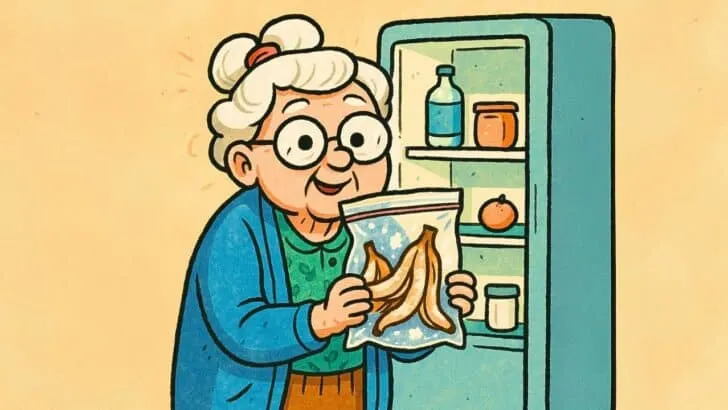
In the ever-growing list of things gardeners are doing with their kitchen scraps, freezing banana peels has entered the chat. And not just freezing them — but stockpiling them like some kind of nutrient-rich garden currency.
You’ve probably seen the videos. You know the ones. Happy people throwing frozen peels into their garden beds like it’s a soil sacrifice to the plant gods. No explanation, just vibes. But does any of this actually do anything? Or is it just compost cosplay?
We’re here to break it down. No fluff, no guilt, no false hope. Just the honest truth about whether your freezer belongs in your fertilizing routine — or if it’s better saved for ice cream and peas.
Let’s get into it before that banana turns brown.
🍌 Key Takeaways
- ❄️ Freezing banana peels preserves them and keeps smells and fruit flies away.
- 🧊 It doesn’t make them magical. Freezing doesn’t release extra nutrients or speed up decomposition.
- 🔪 Frozen peels are easier to chop or blend — perfect for making fertilizer sludge or tea.
- 💩 Burying whole frozen peels is slow and messy. Smaller pieces work better and break down faster.
- 🫖 Banana peel tea is a low-effort, stink-free way to boost potassium in the soil.
- 🧺 It’s tidy, practical, and better than tossing them — just don’t expect miracles.
What People Think Freezing Banana Peels Does
Somewhere along the way, someone decided that freezing banana peels turns them into miracle fertilizer. That it unlocks hidden nutrients. That it makes them break down instantly. That your tomatoes will burst into applause the moment a frozen peel hits the soil.
The idea sounds good: freeze the peel, toss it in the ground, and boom — potassium party. Internet gardening at its finest. One banana peel to rule them all.
People swear it’s faster, cleaner, better. But like most internet garden hacks, it’s a little bit truth, a little bit wishful thinking, and a lot of people not asking enough follow-up questions.
What Freezing Banana Peels Actually Does
Let’s set the record straight. Freezing banana peels does not unleash magical nutrients. It does not make them decompose faster. It does not grant you level 10 gardener status.
What it does do is keep your banana peels from rotting on the counter. That’s it. That’s the whole trick. You’re putting them on pause. Like shoving the leftovers in the freezer because you swear you’ll deal with them “later.”
But there’s a bonus: frozen peels get soft and mushy when thawed. Which makes them easier to chop, blend, or grind into something your plants can actually use. So yes, freezing helps — if you’re going to process them later. If you’re just burying whole frozen peels in your yard? You’re basically planting slow-motion trash.
So no, it’s not wrong. It’s just not the shortcut people think it is. Freezing helps you, not the plant.
Freezing Banana Peels: What It Does vs. What It Doesn’t
✅ What It Does
- Preserves banana peels without rotting
- Stops smells and fruit flies
- Makes peels easier to chop or blend later
- Lets you collect a batch over time
- Great prep step for DIY fertilizer tea or powder
❌ What It Doesn’t Do
- Break down faster in soil
- Release nutrients more quickly
- Make peels “stronger” as fertilizer
- Prevent pests if buried whole
- Replace balanced plant food
How to Actually Use Frozen Banana Peels (Without Making a Mess)
If you’ve frozen your peels and now you’re staring at a sad bag of banana popsicles wondering what to do next — you’re in the right place. Here’s how to turn those frosty flops into something your plants will actually appreciate.
🥣 Option 1: Blend Them Into Sludge
- Take 2–3 peels, thawed
- Toss into a blender with a splash of water
- Blend until smooth and uncomfortably beige
- Bury a few spoonfuls around the root zone of your plants
Why it works: Smaller bits = faster breakdown. Plants get the good stuff without waiting 6 months.
🌱 Option 2: Chop and Drop
- Thaw peels, then chop into small pieces
- Bury them at least 2–3 inches deep
- Don’t leave them on the surface unless you like raccoons
Why it works: Simple, effective, no blender cleanup. Just don’t use too much at once or you’ll attract every ant in the county.
🫖 Option 3: Brew Banana Peel Tea
- Drop a few thawed peels into a mason jar or bucket
- Cover with water
- Let sit for 2–3 days, then strain
- Use the liquid to water plants
Why it works: A low-stink, low-effort way to get a gentle potassium boost into your soil. Plus, no one has to chew on banana chunks.
Try It If You Want, But Don’t Stress
If freezing banana peels makes you feel organized and compost-adjacent, then by all means, freeze away. It’s tidy. It’s practical. And it’s one of the least chaotic things you can do in a gardener’s kitchen.
But let’s be clear — this is not a fertilizer revolution. It’s not some magic soil hack that’ll turn your sad petunias into Instagram influencers. It’s just a handy way to save up peels, prep them better, and avoid the smell of doom while you figure out what to do with them.
Will your plants love it? Maybe. Will they send you thank-you notes? No. But if it keeps one more peel out of the trash and gives your soil a little potassium hug, that’s still a win.
So give it a shot. Or don’t. Your garden, your rules. Just don’t let anyone tell you a frozen banana peel changed their life. Unless it did. In which case, ask them for photos.


Daniel has been a plant enthusiast for over 20 years. He owns hundreds of houseplants and prepares for the chili growing seasons yearly with great anticipation. His favorite plants are plant species in the Araceae family, such as Monstera, Philodendron, and Anthurium. He also loves gardening and is growing hot peppers, tomatoes, and many more vegetables.