

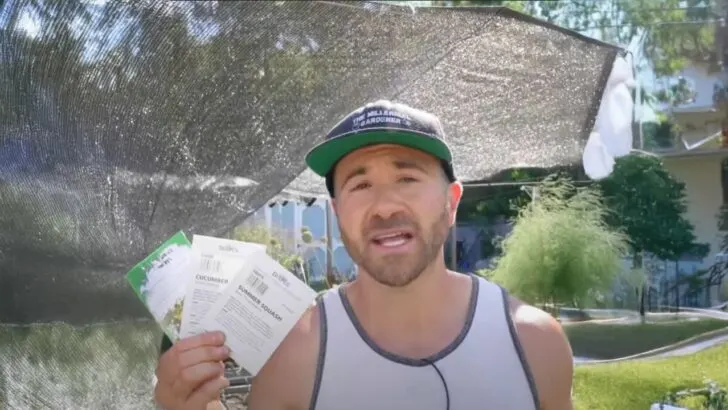
When it comes to knowing what to plant and when, few people lay it out as clearly as the gardener behind the YouTube channel The Millenial Gardener. Based in North Carolina (Zone 8B), he’s dealt with brutal summers, vine borers, heat-stressed tomatoes — the whole July circus. And in this video, he shares ten crops that you can and should be planting in July, no matter where you live.
We’ve taken the core insights from the video and broken them down for you right here — same advice, new outfit. If you’re stuck wondering what your garden still has left to give, this is it.
🌱 Key Takeaways
- 🔥 July isn’t too late — it’s perfect for a second wave of veggies
- 💀 Don’t cling to tired cucumbers and squashes — succession plant instead
- 🍅 Fall tomatoes? Yes please, but choose the right type
- 🥔 Got sprouting potatoes? Boom — free fall crop
- 🌻 Don’t forget flowers — pollinators are starving out there
Cucumbers and Zucchini Need a Reboot
If you’re still babying the same cucumbers and zucchinis you planted in spring… stop. They’re not loyal. They’re not built for long-term commitment. Most of these guys tap out after 2 to 3 months, and by July, they’re already halfway to the compost pile emotionally.
Yes, they might look “okay.” They might even give you a few more fruits. But behind those green leaves? Disease. Borer holes. Vines faking their own death. It’s all downhill from here.
The fix? Succession planting. This isn’t failure — it’s strategy. Start a fresh batch every 6 to 8 weeks. In shorter seasons, you might get two rounds. In longer ones, you could squeeze in four or even six.
And the wild part? They germinate like they’re on a mission. Just a couple of days and boom — baby plants ready to take over. By the time your old ones are coughing their last leaves, your new crew is already stretching toward the sun.
Start them now. Transplant in 3 weeks. Harvest in 45 to 60 days. Easy math, and way better vibes.
Small-Fruited Melons Are Fast and Furious
If you’ve been sleeping on small melons, wake up. July is their moment.
Unlike the big guys that take all season and then ghost you with one sad harvest, these little champions — like kajari melons, lemon drop watermelons, and honey rock cantaloupes — come in fast, fruit fast, and peace out just as quickly.
We’re talking germination in 3 to 4 days. Transplant-ready in 3 weeks. Fruit in 45 to 60 days. That’s basically blink-and-you-miss-it speed, which makes them ideal for succession planting or short-season climates where big melons are just a pipe dream.
Bonus: they handle pests and disease better because they don’t stick around long enough to get wrecked. It’s the hit-and-run approach to gardening — and it works.
If you’re in a cooler zone or your garden’s constantly under siege from squash bugs and vine borers, these are your go-to. Small, sweet, and highly replaceable. Just how July likes it.
Winter Squashes That Actually Make It
Let’s be honest — growing big winter squashes like pumpkins can feel like signing up for heartbreak. Between the vine borers, squash bugs, cabbage moths, and random plagues, most of us end up with a shriveled vine and a single weird-looking gourd.
But! If you choose the right types, July is your window to sneak in some serious long-term storage crops. Think bush butternuts and smaller varieties like Red Kuri. These guys mature quickly, handle late-summer drama like champs, and can be harvested just before the first frost.
Why that timing matters? Because once your garage or basement cools down, you can tuck them away and forget about them — they’ll last 3 to 5 months without whining.
Butternuts also get extra credit for being borer-resistant. That’s rare squash magic right there. Plant now, harvest in early fall, and enjoy homemade squash soup well into winter — no bugs required.
Your Spring Tomatoes Are Tired. Let Them Go.
Look, I know your spring tomatoes are still out there. Hanging on. Maybe even flowering. But let’s call it what it is: they’re exhausted. By the time fall rolls around, they’ll be more leaf spot than leaf, and the fruit they manage to squeeze out will taste like regret.
That’s why July is prime time to start a fall tomato crop. Yes — even if your current plants are technically still alive. Especially if you live in the Southeast, Deep South, or anywhere with heat and humidity trying to set records. But this also applies to you Northerners. Your tomatoes may limp through until frost, but they’ll look like they went through five rounds with a hornworm.
The trick? Grow determinate varieties — the kind that know how to wrap things up on time. Look for ones with a short maturity window (60 days or less). “Red Snapper” is a good heat-tolerant option, but any early-ripening, compact grower will do. Indeterminate beefsteaks? Nope. That’s a heartbreak waiting to happen unless you live in Phoenix or South Florida.
This isn’t about having tomatoes forever. It’s about getting one more solid harvest before the season flips. And if you’re lucky? You’ll be pulling in green tomatoes well into November, ripening them inside while everyone else is panic-buying grocery store produce.
Fall Potatoes Are a Lazy Win
If there’s one crop that asks for almost nothing and still shows up like a champ, it’s potatoes. And July is the sweet spot to plant a second round — especially if you’ve got a stash of sprouting spuds from your spring harvest just sitting around looking slightly suspicious.
Don’t toss them. Repurpose them. Those half-soft, slightly green, overly eager tubers? They’re perfect seed potatoes. Stick them in the ground, water occasionally, and let the cooler fall weather do the rest.
This crop is as low-maintenance as it gets. It thrives in fall, asks for nothing fancy, and — if you store them properly — can last for months. No seed order, no new investment. Just replant your leftovers and call it efficient.
If your garden energy is flagging mid-season, potatoes are your answer. Throw them in, walk away, and reap the rewards like you worked harder than you did.
Corn Can Handle the Heat — Literally
While most of your garden is sweating and sulking in July, corn’s out there asking for seconds. It loves the heat. It loves the sun. It basically thinks summer is a spa day.
If you planted corn after your last frost and already harvested your first batch, guess what? You can squeeze in another. Early July is a great time to drop in a second (or even third) round, depending on your zone.
But don’t get cocky — you need to pick early-maturing varieties. Skip the ones that take 90 to 100 days to grow. Your daylight is shrinking fast, and fall isn’t going to wait while your corn finishes a five-act drama.
Look for quick growers, plant now, and let the heat do the heavy lifting. July corn is no-nonsense. No babying. Just results.
String Beans Deserve a Second Chance
String beans in July? Yep — but not the crispy, leathery mess they become when it’s too hot. These plants have standards. They want warmth, not a heatwave.
If you grew your first batch after last frost and watched them go from tender to tough during a June scorch-fest, you’re not alone. But here’s the move: replant in July so they hit their stride in late August or September when the temps are finally dialing back down.
Beans have low days to maturity, which makes them fall-friendly. And when grown in cooler weather, they’re tender, sweet, and absolutely worth the second go.
This is your redemption arc. The beans will forgive you. Just don’t make them live through another midsummer meltdown.
Lettuce? Yes. But Only the Right Kind.
Not all lettuce is created equal. Some want chilly breezes and sweater weather. Others — like heat-tolerant romaine varieties — are fine with a little summer drama, as long as you treat them right.
In most places, July is way too hot to plant lettuce directly outside. Even the toughest romaine will bolt faster than you can say “bitter salad.” But that’s why you start them indoors now — where it’s cool and calm and no one’s getting scorched.
Give them 6 to 8 weeks inside, then transplant around early to mid-September when things start to cool off. A little shade cloth helps if the sun’s still feeling spicy, but once fall kicks in, these plants will thrive.
And if you time it right? You’ll get gorgeous romaine heads just before frost — no bitterness, no bolting, just crisp, clean greens.
Don’t Forget the Flowers
By July, your fruit trees are done showing off, and most native blooms have packed up for the year. But the insects? Still buzzing around like it’s spring break. Problem is, there’s barely anything left for them to eat.
If you want pollinators to keep showing up — and trust me, you do — you need to plant more flowers. Not in some theoretical future. Now. While the sun’s still blazing and there’s time to get another wave going.
The gardener in the video is tossing in sunflowers, sweet alyssum, and nerium right now — direct-sown, inch deep, watered in. They’ll pop up fast and keep the garden buzzing well into fall.
But honestly? Plant whatever blooms you like. The real goal is to create waves of color and nectar all season long. Support the good bugs, and they’ll help handle the bad ones. Plus, it just looks better out there.
No rules. Just flowers. Your garden will thank you — and so will everything with wings.
Don’t Forget the Flowers
By July, your fruit trees are done showing off, and most native blooms have packed up for the year. But the insects? Still buzzing around like it’s spring break. Problem is, there’s barely anything left for them to eat.
If you want pollinators to keep showing up — and trust me, you do — you need to plant more flowers. Not in some theoretical future. Now. While the sun’s still blazing and there’s time to get another wave going.
Right now, I’m direct-sowing sunflowers, sweet alyssum, and nerium — about an inch deep, watered in. They’ll pop up fast and keep the garden buzzing well into fall.
But honestly? Plant whatever blooms you like. The real goal is to create waves of color and nectar all season long. Support the good bugs, and they’ll help handle the bad ones. Plus, it just looks better out there.
No rules. Just flowers. Your garden will thank you — and so will everything with wings.
Still Sweating Through July? Your Garden Doesn’t Have To.
If your garden feels like it’s running on fumes right now, that doesn’t mean the season’s over. It just means it’s time to regroup — with faster crops, second rounds, and plants that can handle the heat without throwing a fit.
Everything we’ve covered here comes straight from the video at the top — packed with practical advice, hard-earned lessons, and a good dose of tough love for tired plants. If you haven’t watched it yet, it’s worth a few minutes. Really solid stuff.
Because July isn’t a dead end. It’s a reset button. Your garden’s got more to give — you just have to plant it.


Daniel has been a plant enthusiast for over 20 years. He owns hundreds of houseplants and prepares for the chili growing seasons yearly with great anticipation. His favorite plants are plant species in the Araceae family, such as Monstera, Philodendron, and Anthurium. He also loves gardening and is growing hot peppers, tomatoes, and many more vegetables.