

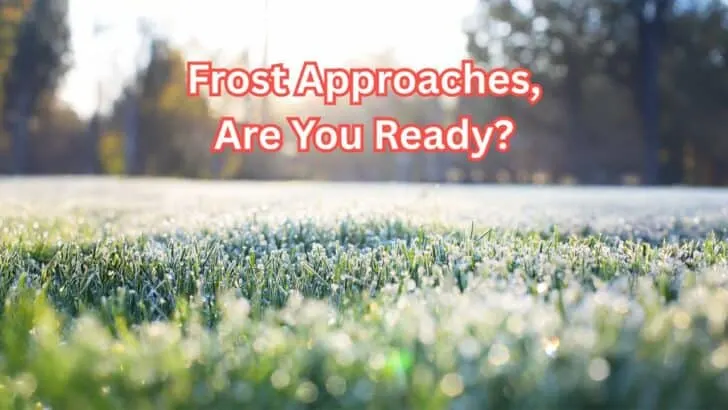
It always starts the same way. You walk outside one morning and your breath lingers in the air just a second too long. The basil looks a little droopy. The tomato vines don’t smell like summer anymore. And the sunlight feels more like a warning than a promise.
You don’t need a calendar to tell you. The first frost is getting close.
For gardeners, this isn’t just about temperatures. It’s about timing, harvests, survival. One cold snap, and entire sections of your garden could be done for the year.
But here’s the good news. You can see it coming. You can plan around it. And in some cases, you can even keep growing after it hits.
What the First Frost Date Actually Is

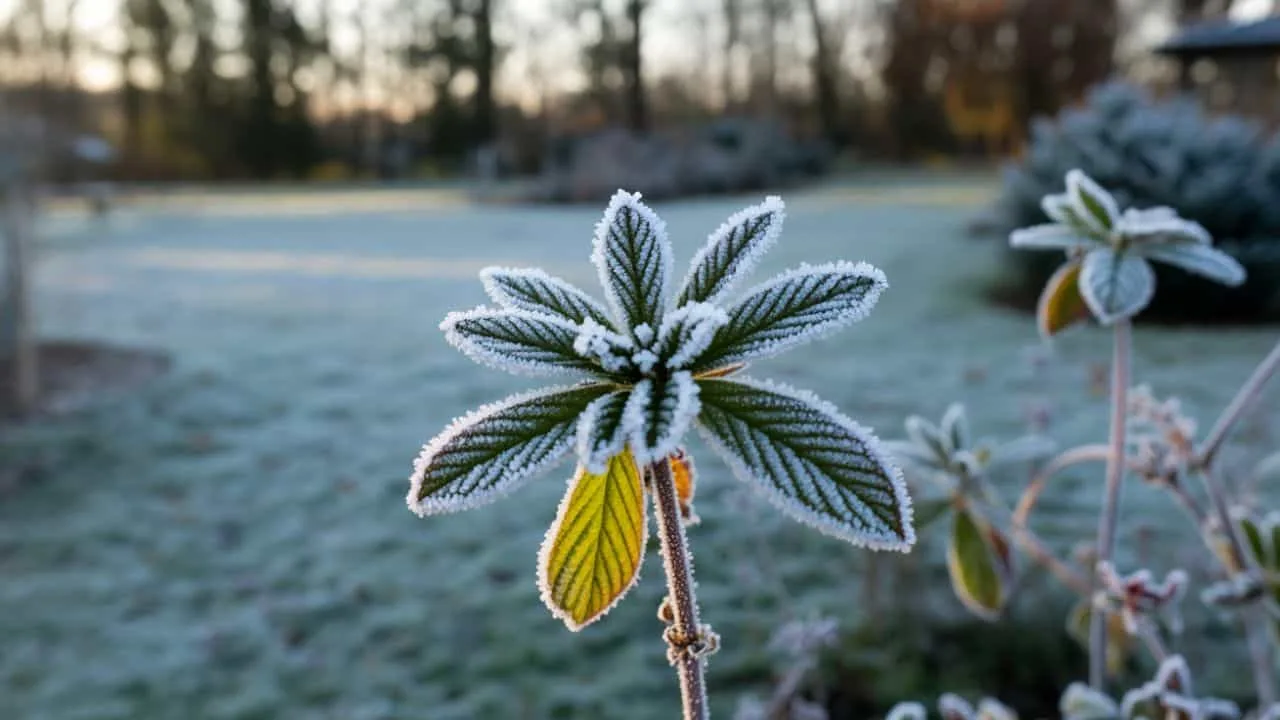
It sounds official, like a deadline printed in ink. But it’s not. The “first frost date” is just an average — a guess based on decades of weather data in your area. Specifically, it’s the date when the temperature has historically dipped to 32°F (0°C) in the fall. Cold enough to freeze water. Cold enough to wreck tomatoes.
It doesn’t mean you’ll definitely get frost that day. It also doesn’t mean you won’t get it earlier. What it does mean is this: by that date, you’ve got about a 50/50 chance that your garden is about to get slapped with freezing air. Not a cute chill. Not sweater weather. Actual ice-on-the-leaves frost.
The most detailed frost charts even give you three versions of the date — one where there’s a 10% chance of frost, one at 50%, and one at 90%. Want to live dangerously? Use the 10% date. Want to keep your plants alive? Use the 90% one.
But no matter which one you pick, here’s the catch: it’s not a forecast. It won’t tell you what’s happening this year. It just tells you what usually happens. And in gardening, “usually” is sometimes the only head start you get.
To get your first frost date, use our free First Frost Calculator at the end of this article. I built it myself, and it’s completely free to use.
❄️ Frost Facts
- 📆 The “first frost date” is a 30-year average, not a prediction.
- 🧊 It refers to the first night temperatures hit 32°F (0°C).
- 📉 Use the 90% frost date if you want to play it safe — or risk it with the 10% one.
How to Find Your Local First Frost Date
This is where most gardeners go wrong. They check a zone map, shrug, and figure frost will hit sometime in October. That’s fine if you’re growing plastic plants. But if you care about what survives, you’ll need something a little more precise.
Zones aren’t enough. They only tell you the average coldest winter temps. Frost, on the other hand, depends on how cold your nights get in fall, how exposed your garden is, and what’s growing where. Even two houses on the same street can have frost at different times, just because one yard sits a little lower or gets less sun in the morning.
The good news? You don’t need a weather station in your backyard. You just need your ZIP code. And a solid frost date tool.
The one we like best is the Old Farmer’s Almanac tool. Pop in your ZIP code and you’ll get a list of frost dates, including the 10%, 50%, and 90% probability ranges. It’s simple, free, and surprisingly accurate.
And, as mentioned already, I have also built my very own First Frost Calculator. You can find it at the end of this article. And yes, it is completely free as well!
👉 Check Your Local Frost Date (Old Farmer’s Almanac)
Write it down. Tape it to the fridge. Screenshot it if you have to. That date is your new calendar anchor — everything from here on out counts backwards from it.
📍 Bonus Tip
- 🌡️ Frost hits low spots first. If your yard has a dip or shaded corner, that’s where it’ll show up.
- 📱 Bookmark your frost date tool for quick fall planning year after year.
- 🧠 Want to level up? Keep a journal of your actual first frost each year to spot patterns in your microclimate.
Why the Frost Date Matters for Gardeners


Because the garden doesn’t care what’s still on your to-do list. It only cares about temperature. And once that hits freezing, you don’t get a second chance.
One night of frost can flatten entire crops. Tomatoes go mushy. Basil turns black. Cucumbers collapse like they just heard bad news. Anything soft, tropical, or delicate? Gone before breakfast.
The frost date is your cutoff. Not just for harvesting, but for planting too. Every seed packet with “matures in 45 days”? That’s 45 warm days, not 45 days in the fridge. You have to count backward from your frost date if you want a harvest in time.
Even perennials slow down. They might survive underground, but what you see above ground is usually toast. If you want blooms, growth, or a last round of greens, you’ve got to act before that date hits.
This is why knowing your frost date isn’t optional. It’s the line between a fall full of food and one last sad tomato in the compost pile.
🥶 Why It Matters
- 🍅 One frost can destroy your heat-loving crops overnight.
- 🗓️ Fall planting schedules only work if you know when the cold is coming.
- 🪴 Even tough plants slow down once the nights get cold.
What to Do Before the First Frost
This is your moment. Not the week after frost. Not the night before. Now.
If you’ve looked up your local frost date, you already know how many warm days you have left. Every one of those days is a chance to harvest, sow, or protect what’s still standing.
Start with the obvious: pick your tomatoes, even if they’re green. Pull your cucumbers. Snip your basil. Anything soft, juicy, or vaguely tropical won’t survive a frost — and you don’t want to be out there with a flashlight after the damage is done.
Then shift into planting mode. You can still grow fast fall crops if your frost date is weeks away. Think spinach, radishes, baby arugula, and loose-leaf lettuce. Pick varieties with short maturity windows, and give them every bit of sun you’ve got.
Not planting? Then start protecting. Bring potted plants inside. Toss old sheets or row covers over anything borderline. Mulch your perennials. Prep your garlic beds. Save seeds from anything that’s bolting. Every hour you put in now pays off later.
This isn’t just the end of the season. It’s the start of what comes next.
🌱 Before-Frost Checklist
- 🥬 Harvest tender crops before they get hit
- 🧅 Sow fast-growing fall veggies if there’s time left
- 🪴 Bring in containers and protect vulnerable plants
- 🌾 Mulch beds, prep garlic, and save seeds
What You Can Still Plant After the First Frost

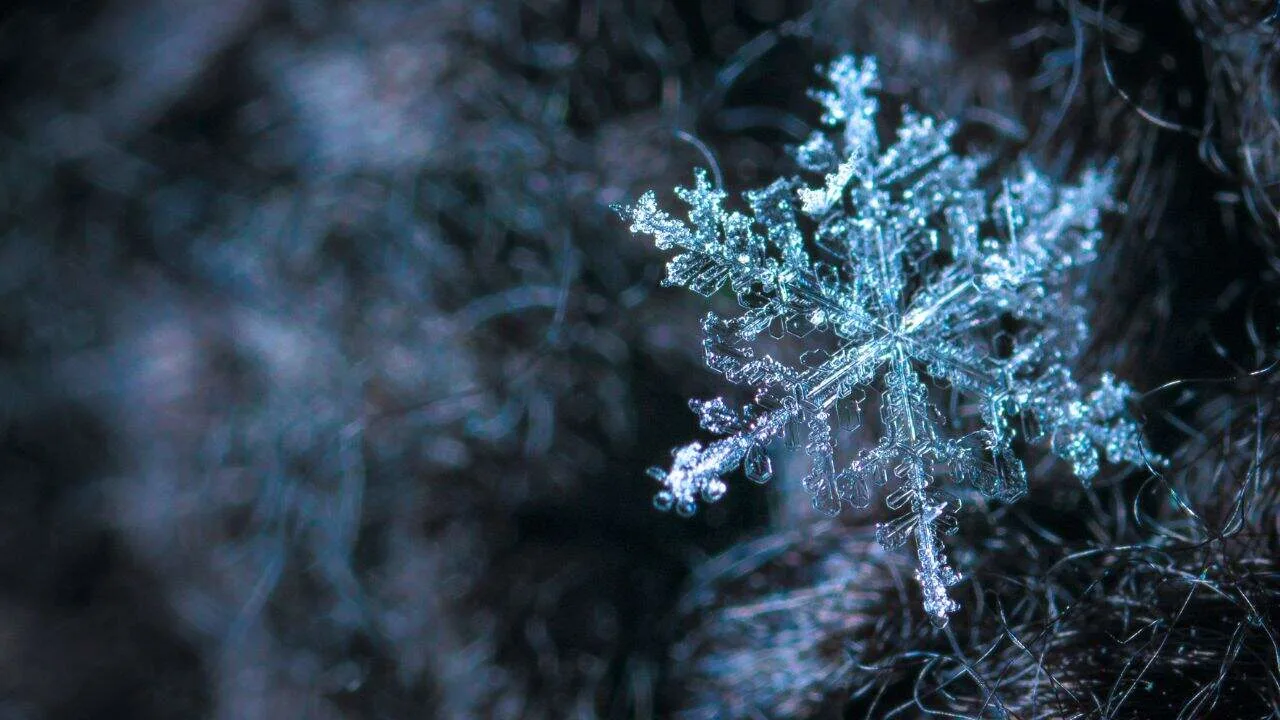
Most people pack it in after the first frost. They clean up the beds, store the tools, and call it a season. But here’s what they miss — some of the best planting happens after everything else stops growing.
Frost doesn’t mean “do nothing.” It just means a different kind of planting. Less salad, more strategy. Less harvest-now, more invest-for-later.
This is prime time for garlic. You plant it in the fall, mulch it, ignore it, and then pull up fat, beautiful bulbs next summer. No summer garlic ever tastes as good as the stuff you forgot about all winter.
It’s also the perfect window for flower bulbs. Daffodils, tulips, hyacinths — they all need a cold period to bloom right. You stick them in the ground now, and by spring, you’ll have a front row seat to your own flower show.
Want to get even more practical? Plant cover crops. Clover, hairy vetch, winter rye. These aren’t glamorous, but they protect your soil, prevent erosion, and feed your beds for spring. Plus, they’re tougher than most things you’ve grown all year.
Even native wildflowers and perennials can go in now. Many of them need a cold dormancy to germinate properly. You’re not late — you’re exactly on time.
🌷 After-Frost Planting Picks
- 🧄 Garlic — plant in fall, harvest in summer
- 🌷 Flower bulbs — daffodils, tulips, hyacinths
- 🌾 Cover crops — clover, rye, vetch
- 🌼 Native wildflowers and cold-hardy perennials
What You Can Still Plant After the First Frost
Most people give up once frost hits. They clean up the beds, stash the tools, and declare the season over. But here’s what they miss. Some of the best planting happens after the rest of the garden has gone quiet.
Frost doesn’t mean you stop gardening. It just means you start planting for a different purpose. Less fresh harvest, more future payoff. Less instant results, more long game.
This is garlic season. You plant it now, cover it with mulch, and then leave it alone. It settles in over winter, does its thing underground, and surprises you with plump, fragrant bulbs next summer. Garlic planted in fall always tastes better than the stuff you try to cram in during spring.
Fall is also the time to plant flower bulbs. Daffodils, tulips, hyacinths. These need a cold period to bloom right. Tuck them in the soil now, forget about them, and they’ll reward you with color when you need it most.
If you want to help your soil instead of just your eyes, consider cover crops. Clover, hairy vetch, winter rye. These are not the glamorous plants, but they shield your soil, block weeds, and improve structure for spring. They’re quiet workers and tough survivors.
You can also direct-sow native wildflowers and hardy perennials. Many of them need cold exposure to sprout in spring. You’re not late. You’re planting exactly when nature intended.
🌷 After-Frost Planting Picks
- 🧄 Garlic — plant in fall, harvest in summer
- 🌷 Flower bulbs like daffodils, tulips, and hyacinths
- 🌾 Cover crops including clover, rye, and vetch
- 🌼 Native wildflowers and hardy perennials
This Frost Doesn’t Mean It’s Over
Frost might stop the tomatoes, but it doesn’t stop you. It just shifts the pace. This is the season where experience pays off and last-minute scrambles actually matter. You get to decide what lives, what gets harvested, and what waits until spring.
Most people stop because the air turns cold. You don’t have to. There’s garlic to plant, bulbs to bury, seeds to save, and beds to build. The work you do now sets the stage for what happens next year. And it’s the kind of work that feels good. Quiet. Intentional. Like you’re already ahead of the game.
Check your frost date. Watch the weather. Get things out of the ground, or get them into it. Either way, you’re not too late. You’re just in a different part of the season.
And if all goes well, next spring will be a little easier. Because you didn’t quit when the cold came in. You planned for it.
🌿 Key Takeaways
- 📆 First frost dates are historical averages based on 30 years of data, not real-time forecasts.
- 📍 Your ZIP code matters more than your USDA zone when it comes to frost timing.
- 🌡️ Tender crops die at 32°F, so harvest or protect them before that hits.
- 🥬 You can still plant fall crops if you have enough warm days left.
- 🧄 Some plants thrive after frost like garlic, bulbs, cover crops, and native wildflowers.
- 📲 Use this tool to find your local frost date: Old Farmer’s Almanac ZIP Code Lookup
First Frost Lookup
Daniel has been a plant enthusiast for over 20 years. He owns hundreds of houseplants and prepares for the chili growing seasons yearly with great anticipation. His favorite plants are plant species in the Araceae family, such as Monstera, Philodendron, and Anthurium. He also loves gardening and is growing hot peppers, tomatoes, and many more vegetables.