

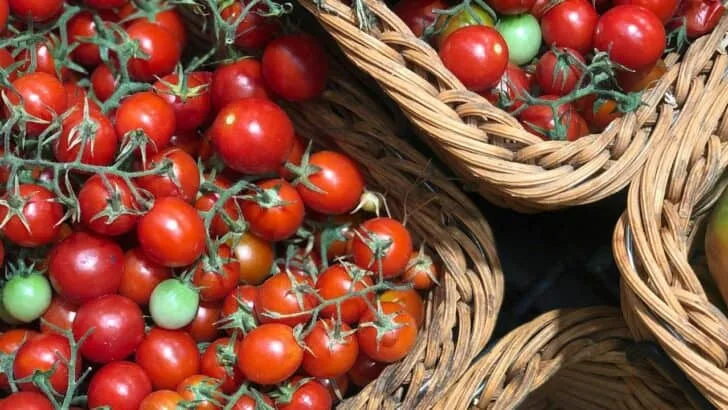
Last year in mid-August, I swore I was done fussing over the garden. The zucchinis had slowed, the tomatoes were half green and half stubborn, and the beans looked like they had been through a bar fight. I figured nature had made her call and the season was winding down. Then a friend stopped by, took one look, and said, “You know, you could still double your harvest if you stop sulking and get back out there.”
Turns out, they were right. A few quick changes turned my sad end-of-summer beds into a September buffet. The plants got a second wind, the baskets filled up again, and I was the one bragging instead of moping.
If you think August means game over, think again. These tricks will keep your garden firing until the last warm days run out.
1. Side-Dress with Quick-Release Fertilizer
By August, a lot of crops are running on fumes. They have pushed out leaves, flowers, and fruit for months, and the pantry in their roots is close to empty. Waiting for them to “find” more nutrients in the soil on their own is like hoping a marathon runner will discover a buffet halfway through the race.
A quick side-dress with a fast-acting fertilizer gives them exactly what they need right now. It is an instant pick-me-up that does not waste time dissolving slowly. Think of it as a last round of fuel before the finish line.
This boost can turn an average September harvest into one that is actually worth bragging about. It is not about pushing the plants endlessly, but about making sure they have enough energy to finish strong without stalling out early.
- Choose a water-soluble or granular quick-release fertilizer with balanced nutrients (e.g., 10-10-10).
- Apply in a band 6–8 inches from the base of the plant to avoid burning roots.
- Water thoroughly after applying so the nutrients soak in quickly.
💡 Bonus Tip
- Side-dressing works wonders for heavy feeders like tomatoes, peppers, and squash that are still setting or ripening fruit.
2. Pinch Off New Blossoms on Tomatoes and Peppers
By mid-August, any new flowers your tomatoes and peppers put out are making promises they cannot keep. Those blooms will never turn into ripe fruit before the season ends, and the plant will waste valuable energy trying. It is like watching someone redecorate their house when the moving truck is already in the driveway.
Pinching off those blossoms tells the plant to stop dreaming about new projects and focus on finishing what it started. The energy that would have gone into new fruit shifts straight into ripening the green ones already hanging on the vine. That is how you turn “almost ready” into “pick and eat” before frost.
This is one of those moves that feels ruthless, but it is actually an act of mercy. You are giving your plants a clear deadline and the resources to meet it. The payoff is more red and yellow in your harvest baskets, and less green and wishful thinking.
- Inspect plants for any fresh blooms or tiny developing fruits.
- Use clean scissors or pinch with fingers to remove them carefully.
- Repeat weekly until frost to keep plants focused on ripening.
💡 Bonus Tip
- If you want to be extra efficient, remove small, underdeveloped fruits too. It channels even more energy to the larger ones already close to ripe.
3. Trick These Plants into a Second Flush

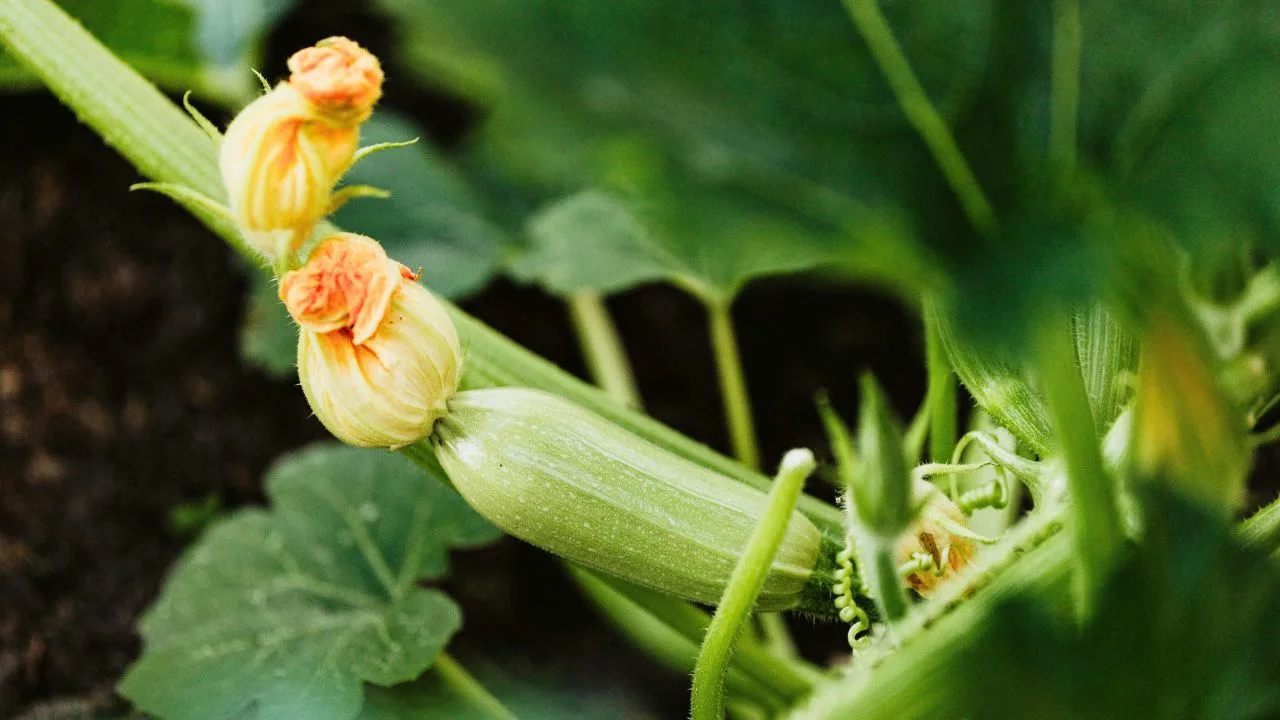
Some crops have a hidden talent. If you give them a sharp haircut and a good meal, they can bounce back with fresh growth, even when summer feels nearly done. Beans, cucumbers, and zucchini are classic examples. By August, their leaves may look tired, vines stretched thin, and production slowing to a crawl. That is the perfect moment to reset them.
Cutting them back hard feels like sabotage, but it wakes up dormant buds along the stems. Pair that with a hit of fertilizer and steady watering, and you can trigger a second round of flowers. Those blooms can turn into a surprise September harvest that tastes even better than the first wave.
The key is timing. You want to give plants enough warm days left to regrow and set fruit before the weather turns. Done right, it is like getting a bonus crop for the price of one planting.
- Cut plants back by about one-third, removing tired leaves and stems.
- Feed with a balanced, water-soluble fertilizer to encourage new growth.
- Water consistently to avoid stressing the recovering plants.
💡 Bonus Tip
- For beans, you can also sow a few extra seeds at the same time. The regrowth from old plants and new seedlings can overlap for a longer harvest window.
4. Stress Your Late-Season Crops Just a Bit
Plants can be stubborn, especially when they are loaded with green fruit but refuse to ripen. You can use that stubbornness to your advantage by applying a little controlled stress. For tomatoes, lightly root-pruning or twisting vines can send a strong message that time is running out. This shift tells the plant to stop making more flowers and instead push energy into ripening what is already there.
The trick is subtlety. You are not trying to damage the plant beyond recovery, just give it a gentle nudge toward urgency. Done right, you can shave days off the ripening process and beat the first frost by a comfortable margin.
Peppers respond similarly, especially if you pinch off any lingering flowers and tiny buds. The plant realizes the finish line is near and puts its remaining resources into coloring and sweetening existing fruit.
- For tomatoes, use a trowel to slice down 6–8 inches from the base of the plant on two sides, cutting some roots.
- Alternatively, gently twist the main vine until you feel light resistance — stop before snapping.
- Remove any new flowers or tiny fruits that will not mature in time.
💡 Bonus Tip
- Monitor soil moisture closely after stressing plants. A light feed with potassium-rich fertilizer can help push fruit to ripen faster.
5. Start a Quick Cold Frame or Mini Hoop House

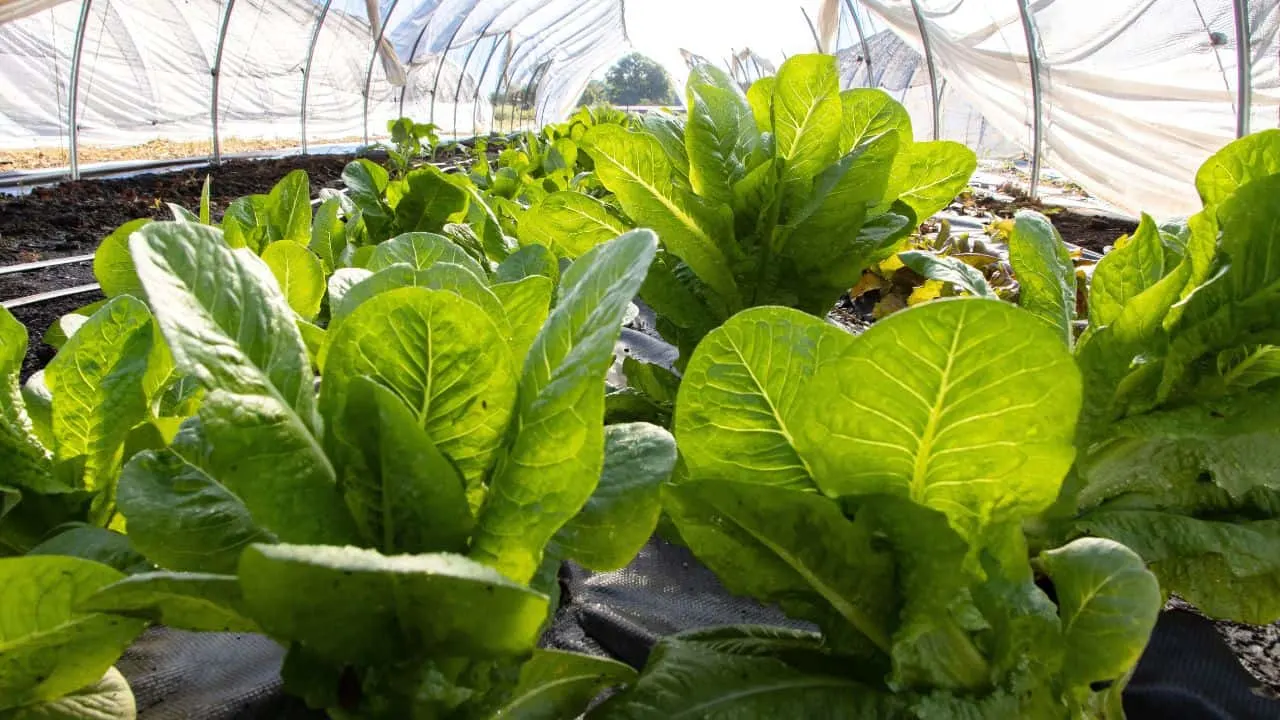
A little cover can turn cool nights into bonus growing time. Clear plastic or a medium row cover traps daytime warmth and softens the chill that slows ripening. It is not only for frost, it speeds everything up while nights start to slip cooler.
You can build one in an hour with PVC or wire hoops, clips, and a sheet of plastic. Vent during the day so heat does not cook your plants, then close it toward evening to hold the warmth. Leaves stay drier, disease pressure drops, and late crops keep their momentum.
This buys you extra weeks of summer energy without a big build. Use it over peppers, bush beans, cucumbers on low trellis, and quick greens. When true cold arrives, you already have your frost plan in place.
- Pick a sunny bed and install hoops every 90–120 cm using PVC or 10 gauge wire.
- Cover with 4–6 mil clear plastic at night or use medium weight row cover if days are hot.
- Secure edges with soil, bricks, or boards so wind cannot lift the cover.
- Vent each morning by lifting a side if the forecast is warm to prevent overheating.
- Place a cheap thermometer inside so you can track the night low and adjust.
💡 Bonus Tip
- Add black water jugs or dark stones inside to store daytime heat and release it overnight for a few extra degrees.
6. Add Black Plastic or Dark Mulch Under Late Crops
As nights get cooler, late-season crops slow down. One of the easiest ways to keep them moving is to trap more warmth around their roots. Black plastic mulch or a dark landscape fabric absorbs heat during the day and releases it slowly at night, keeping soil a few degrees warmer.
That extra heat can speed ripening by several days, which might be the difference between a red tomato and a green one when frost hits. Lay it under peppers, tomatoes, or melons to keep the soil temperature up, especially if your nights are dipping below 60°F.
Important note: we are talking about black plastic mulch or fabric here — not dyed wood mulch from garden centers. Dyed mulches can leach chemicals and cause more harm than good. We covered why those are worth avoiding in this article on garden products to skip.
7. Harvest Green and Finish Indoors

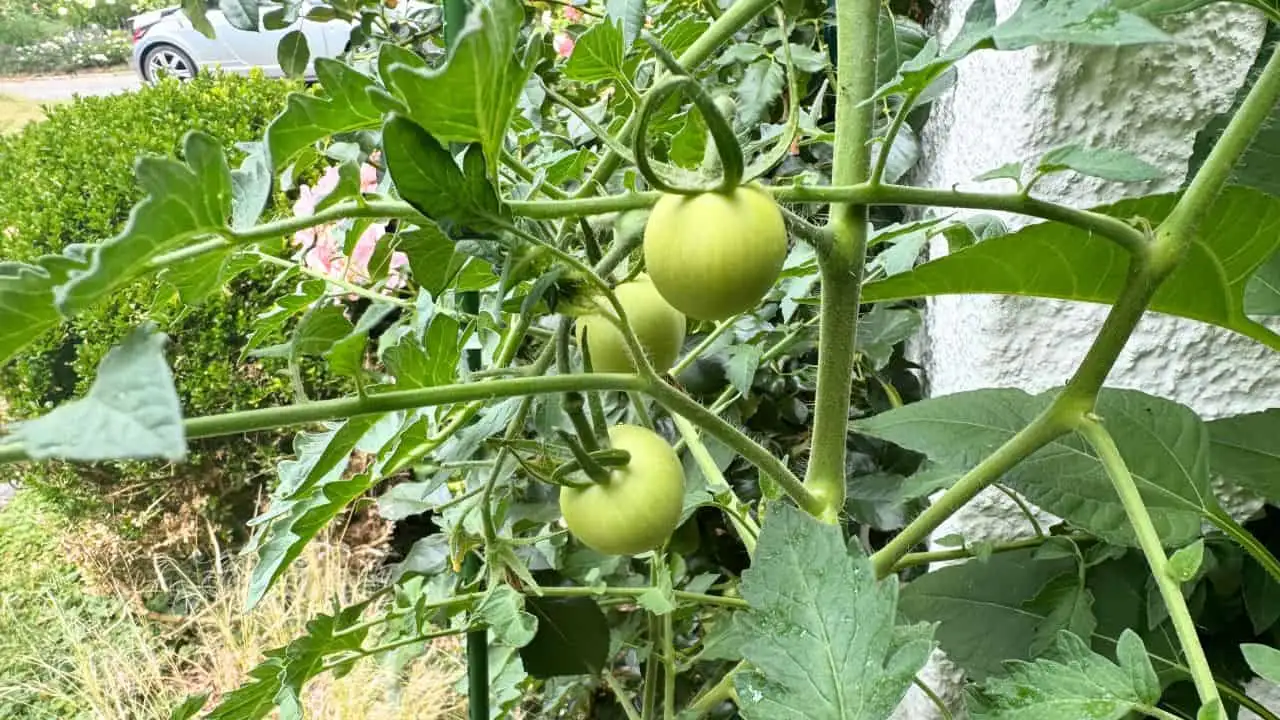
Frost does not ask permission. One surprise cold night can ruin weeks of work, leaving peppers limp and tomatoes split. Picking fruit while it is still green or just starting to blush may feel impatient, but it is a way to lock in the harvest before nature flips the switch.
Once indoors, warmth and time will do the rest. A sunny windowsill, a paper bag with an apple, or even a covered box in a warm room can coax fruit into ripening. This works best with crops that naturally ripen off the vine, like tomatoes, peppers, and even some melons.
Sure, vine-ripened sounds romantic, but avoiding frostbite on your crops is worth the trade. You will still get sweet, flavorful produce without gambling on the weather forecast staying friendly.
- Pick fruit that is fully grown but still green or starting to turn color.
- Place in a single layer in a warm, bright spot indoors.
- For faster ripening, put fruit in a paper bag with a ripe banana or apple.
- Check daily for signs of mold or overripening and rotate as needed.
💡 Bonus Tip
- Layer green tomatoes in a shallow box with newspaper between them. Store in a cool room to ripen slowly and extend your fresh supply into late fall.
8. Sneak in a Quick-Grow Crop Between Rows

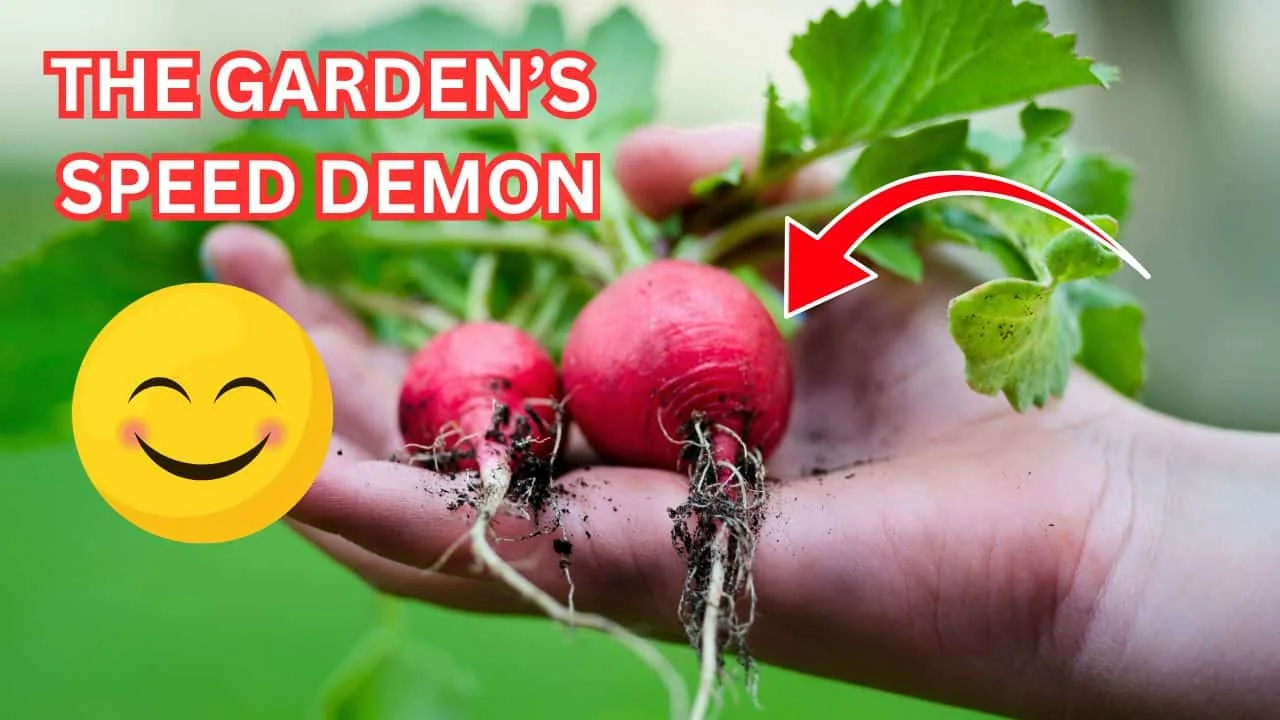
By mid-August, some rows in the garden are looking like empty real estate. That space can do more than sit there collecting weeds. Fast growers like radishes, mustard greens, or baby spinach can sprint from seed to plate in just 20 to 30 days.
The trick is to plant them where they will not compete heavily with your main crops. Between rows of slower growers or in gaps left by harvested plants, these speed demons can make the most of fading summer light.
Even if frost shows up early, you will still get tender young greens or crunchy roots. Worst case, you pull them young for microgreens. Best case, you get a full extra harvest when you thought the season was winding down.
- Pick crops with a maturity time of 30 days or less.
- Direct sow seeds between existing rows or in bare spots.
- Water consistently to help seeds germinate quickly in warm soil.
- Harvest on time to avoid crowding nearby plants.
💡 Bonus Tip
- Use shade from taller crops to keep greens tender and prevent bolting in hot spells.
9. Water in the Morning with Warm Water
By late summer, nights start to cool down, and soil temperatures follow. That drop can slow ripening right when you want your crops to finish strong. Giving your plants a warm start in the morning helps keep the soil a few degrees higher through the night.
Fill a watering can and let it sit in the sun for a bit before you use it, or draw water the night before so it adjusts to the outdoor temperature. Cold well water can shock roots at this time of year, while slightly warm water gives them a gentle wake-up call.
This trick is especially handy for heat-loving crops like tomatoes, peppers, and eggplants. They will keep producing and ripening faster if their roots are not dealing with a daily cold plunge.
- Fill watering cans or barrels the night before to let the water warm naturally.
- Water early in the morning so plants can use the heat boost all day.
- Focus this method on crops that need warm soil to ripen.
💡 Bonus Tip
- For an extra boost, water around midday on cooler days to extend soil warmth into the evening.
10. Use “Cut and Come Again” Tricks on Herbs
Herbs do not need to be a one-and-done harvest. In fact, many will give you another generous round if you cut them right. Instead of taking the whole plant down, trim only the top third, making clean cuts just above a leaf node. This signals the plant to branch out and grow again before the season ends.
Basil, parsley, mint, oregano, and cilantro all respond well to this approach. Even chives can be snipped low and will bounce back quickly. You get fresher flavor now, plus another cut before frost shuts the season down.
This is one of the easiest ways to double your late-season herb harvest without planting anything new. It is fast, it is free, and it keeps your kitchen stocked while the rest of the garden starts winding down.
- Trim no more than one-third of the plant at a time to avoid stress.
- Cut just above a leaf node to encourage bushier regrowth.
- Harvest in the morning for the best flavor and oil content.
💡 Bonus Tip
- Dry or freeze the first harvest so you have a stash ready when the garden finally calls it quits.
Bringing It All Together
Plants do not keep a calendar. They simply respond to light, warmth, and the signals you give them. By using these late-season tricks, you are guiding them through the final stretch with a little more purpose and a lot less guesswork.
September can feel like a slow fade in the garden, but it does not have to be. With a few well-timed moves, you can squeeze out extra flavor, extra color, and even an unexpected harvest before frost arrives.
Act now and you skip the end-of-season regret. Instead of watching your plants stall out, you will be filling baskets when most gardeners have already called it a year.
🌿 Key Takeaways
- 💨 Side-dress with quick-release fertilizer to give plants an instant boost for a September push.
- 🍅 Pinch off new blossoms on tomatoes and peppers so the plant puts energy into ripening existing fruit.
- 🌱 Cut back beans, cukes, and zucchini to trigger a surprise second flush.
- 🌾 Stress late crops lightly to speed ripening before frost hits.
- 🏠 Use cold frames or mini hoop houses for warmth during cool nights.
- 🖤 Black plastic mulch boosts soil warmth — but avoid dyed wood mulches from garden centers, which can leach chemicals.
- 🥕 Harvest green and finish indoors to dodge frost damage.
- 🌿 Slip in quick-grow greens or radishes between rows for bonus harvests.
- 💧 Morning watering with warm water helps keep soil temps up overnight.
- 🌿 Trim herbs using “cut and come again” so you can harvest twice before frost.


Daniel has been a plant enthusiast for over 20 years. He owns hundreds of houseplants and prepares for the chili growing seasons yearly with great anticipation. His favorite plants are plant species in the Araceae family, such as Monstera, Philodendron, and Anthurium. He also loves gardening and is growing hot peppers, tomatoes, and many more vegetables.