


By the time September rolls around, your lawn probably looks a little worn out. The heat, the foot traffic, and the summer droughts have taken their toll. But here’s the insider secret: September is not the end of lawn season, it is the beginning of recovery. What you do right now decides whether you get a lush carpet of green next spring or spend it patching bare spots and cursing at weeds.
In this guide, we’ll walk through 10 proven steps that give your lawn the healthiest restart of the year. Each one is simple, doable, and perfectly timed for fall. Miss this short window, though, and the problems will multiply. Ready to give your lawn its September reset? Let’s get started.
1. Test Your Soil Before Anything Else


You can water, mow, and fertilize all you want, but if the soil itself is off balance, your lawn will never look its best. Grass depends on the right pH and nutrient levels to absorb food properly. September is the sweet spot to test because you can still adjust things before winter sets in.
Start simple with a home test kit for pH and basic nutrients, or go deeper with a sample sent to your local extension office. The results are your roadmap. A pH of 6.0–7.0 is ideal for most cool-season grasses, but if your reading comes back higher or lower, that tells you exactly what needs fixing.
- If pH is too acidic (below 6.0): Apply lime to gently raise it. Fall is the best season for lime since winter rains help it soak in.
- If pH is too alkaline (above 7.0): Add elemental sulfur or organic matter like peat moss to bring it down.
- If nitrogen is low: Plan for a slow-release fall fertilizer to restore growth without burning the grass.
- If phosphorus or potassium are lacking: Choose a balanced fertilizer labeled for those nutrients before overseeding or winter prep.
- If levels are fine: Congratulations — you can save money by skipping unnecessary products.
2. Aerate to Revive Compacted Lawns
After a long summer of barbecues, kids running across the yard, and heat baking the soil, your lawn is gasping for air. Compacted soil suffocates roots, traps water on the surface, and blocks nutrients from getting where they are needed most. That is why September is prime aeration season — the roots are still active, and cooler nights give grass the energy to rebound.
Core aeration is the gold standard. A machine pulls out plugs of soil, leaving small holes across the yard. It might look messy for a week, but those gaps let oxygen, water, and fertilizer soak straight into the root zone. Spike aerators are an option, but they can press soil even tighter in some cases. If you want lasting results, go with a plug aerator.
- Water lightly the day before: Moist soil makes it easier for the aerator to pull plugs.
- Leave the plugs on the lawn: They break down in rain and add organic matter back into the soil.
- Pair aeration with overseeding: Those open holes are the perfect seedbeds for new grass.
- Avoid aerating bone-dry soil: It stresses the lawn and risks tearing roots instead of helping them.
3. Overseed Bare Patches Now


Every bald spot in your lawn is basically a welcome mat for weeds. If you leave them open through fall, you will be staring at dandelions and crabgrass by spring. September is the sweet spot for overseeding because the soil is still warm enough to trigger germination, but the cooler nights keep seedlings from frying in the heat. Grass seed sown now has just enough time to establish before frost locks the ground.
Different grass types bring different strengths to your lawn. Cool-season lawns benefit from blends of fescue, bluegrass, or rye. Tall fescue is a tough choice for drought resistance, Kentucky bluegrass fills in beautifully but takes longer to germinate, and perennial rye is the speedster, sprouting in less than a week. The trick is to match your seed type to your region and lawn goals.
- Prep the soil: Rake bare patches to loosen the surface and remove debris.
- Choose the right seed:
- Fescue: Quick growth, shade tolerant, good for most regions.
- Kentucky Bluegrass: Gorgeous finish, but slower to establish.
- Perennial Rye: Fast sprouter, ideal for urgent cover.
- Seed generously: Sprinkle evenly and press seed into soil with a rake or roller.
- Keep it moist: Light, daily watering until seedlings are 1–2 inches tall, then reduce frequency.
- Combine with aeration: If you aerated already, let seeds fall right into the holes for perfect seed-to-soil contact.
4. Fertilize Smart for Fall Growth


Most people think spring is the big fertilizer moment, but for lawns, fall is where the magic happens. After the summer heat, your grass is hungry, and September is when it starts channeling energy into roots rather than just blades. A smart fall feeding gives your lawn the reserves it needs to power through winter and explode with growth when spring arrives. Skip this step and you are left with a weaker, patchier lawn come April.
Timing and type matter more than you might think. Go for a slow-release fertilizer that balances nitrogen with potassium and phosphorus. Too much nitrogen right now will push tender green growth that frost can damage, while a balanced mix supports stronger roots, thicker turf, and disease resistance. The goal is not instant green-up but long-term strength.
- Timing: Apply in early to mid-September while soil temps are still warm.
- Formula: Look for something with nitrogen for steady growth plus potassium to harden grass against cold.
- Application: Use a spreader for even coverage. Overlap slightly to avoid striping.
- Watering: Give your lawn a deep soak afterward to help nutrients move into the root zone.
- Double check soil test: If phosphorus is already high, pick a fertilizer without it.
5. Water Deeply, But Change the Schedule

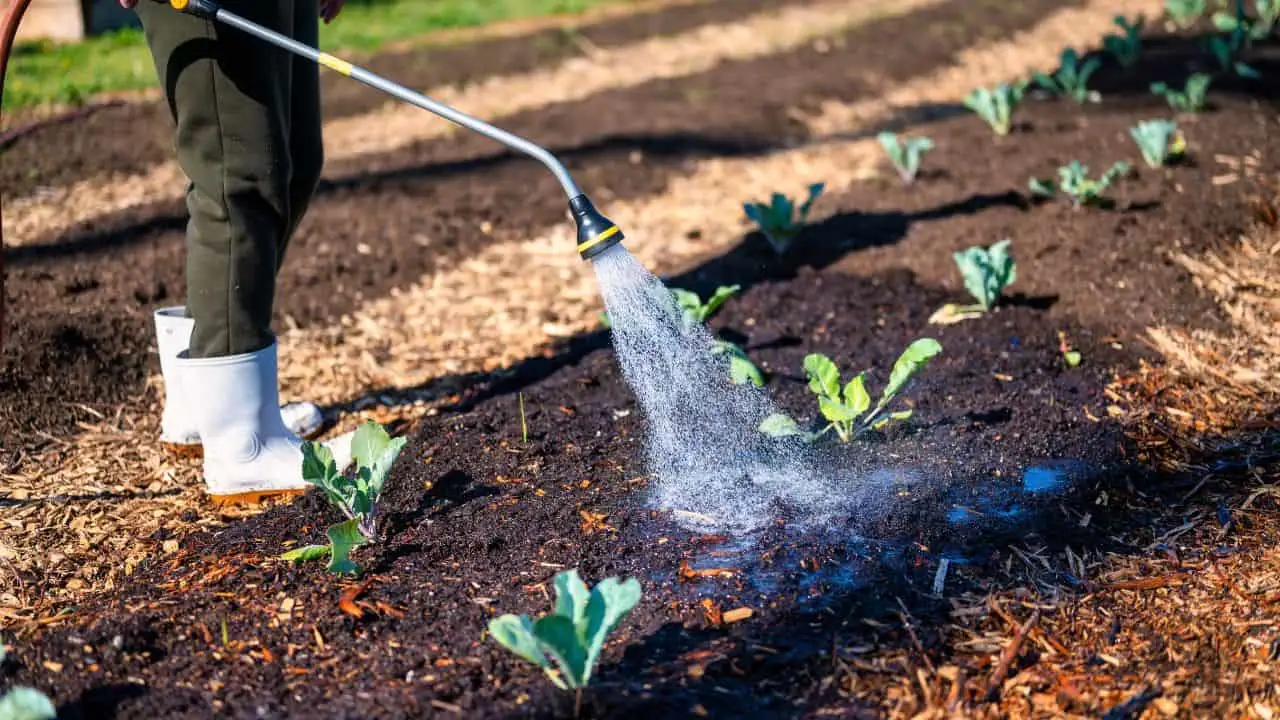
After a long summer, many gardeners keep watering their lawns as if it is still July. The truth is, September brings cooler nights and gentler sun, which means your lawn’s needs shift. Too much frequent watering now can make shallow, weak roots that struggle once frost hits. The smarter move is to water less often but more deeply, training the roots to dive down where the soil stays moist longer.
This simple adjustment can make or break your lawn’s resilience. Lawns that get shallow daily sprinkles stay vulnerable to drought, weeds, and even winterkill. By switching to deep soaks a few times a week, you give the grass the strength to handle stress. Think of it as conditioning your lawn for the months ahead rather than pampering it for today.
- Depth over frequency: Aim for 1 inch of water per week, split into 2–3 deep sessions.
- Timing: Morning is best to prevent fungal growth overnight.
- Soil check: Push a screwdriver into the soil. If it slides easily 6 inches down, moisture is about right.
- Sprinkler watch: Adjust schedules if rain is steady in September. Overwatering weakens roots.
6. Control Weeds Before They Drop Seeds

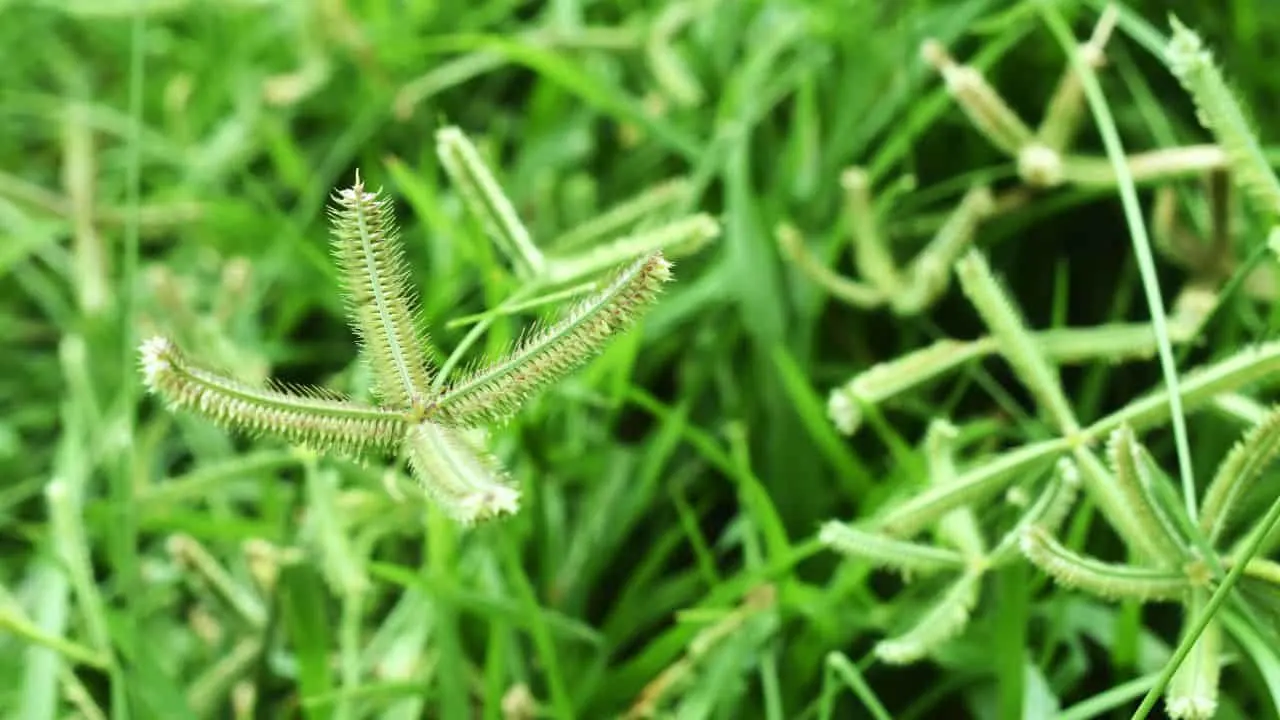
By late summer, weeds are not just a nuisance, they are plotting for next year. Dandelions, crabgrass, and clover are all gearing up to scatter hundreds of seeds across your lawn if you let them finish their cycle. Every seed that drops now is a problem you will be fighting come spring. The good news is that September is the sweet spot to stop them. Soil is still warm enough for treatments to work, and weeds are most vulnerable before they spread their seed bank.
Skipping this step means setting yourself up for a lawn full of invaders that outcompete grass as soon as the weather warms. Act now, and you dramatically reduce the workload for next year while giving your lawn the best chance to thicken up before frost.
- Spot-spray broadleaf weeds: Use selective herbicides or vinegar-based sprays if you want natural options.
- Hand-pull before seeding: Focus on dandelions and other taproot weeds — get the root, or they will bounce back.
- Overseed bare patches: Grass seed chokes out weeds by filling open spaces.
- Mulch borders: Around lawn edges, mulch can smother weeds that creep in from beds.
7. Sharpen or Replace Your Mower Blades

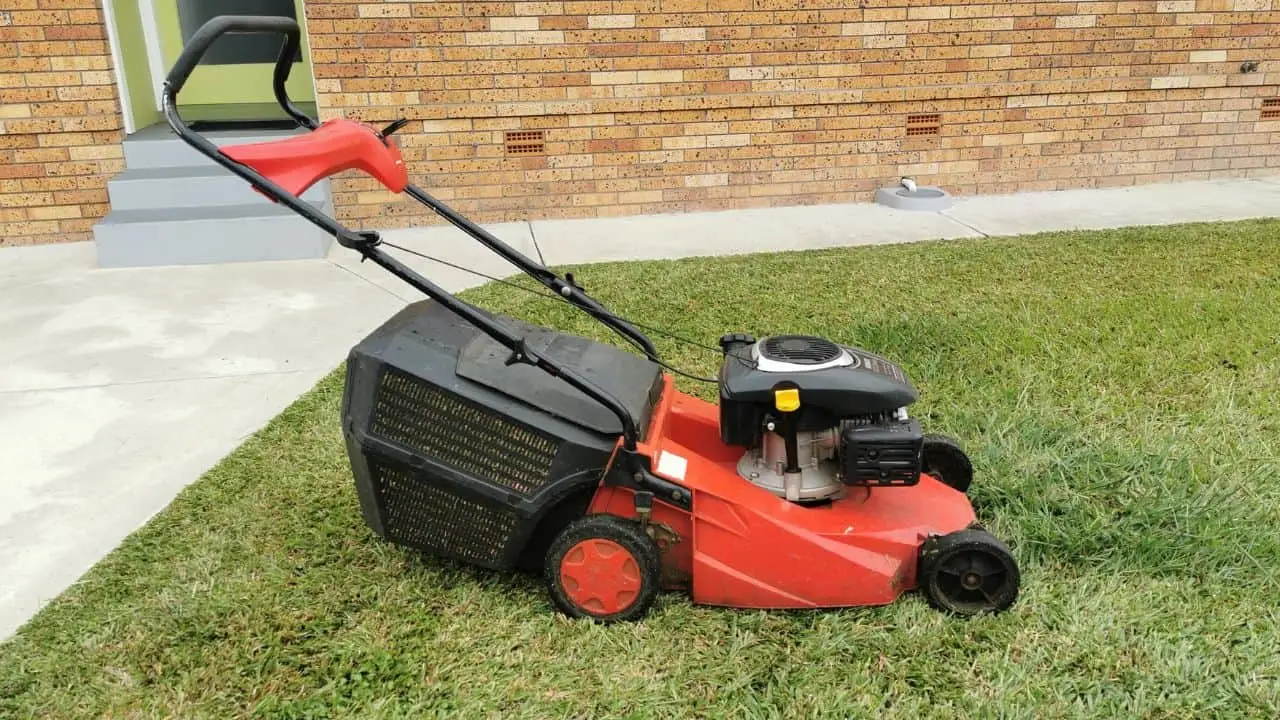
If your mower has been hacking away all summer, chances are the blades are dull. Instead of making a clean cut, dull blades tear grass, leaving ragged edges that turn brown and invite disease. The result is a lawn that looks stressed even if you are watering and feeding it properly. September is the perfect time to fix this because sharp blades help grass heal quickly before cool weather slows growth.
A sharp blade slices cleanly, reducing water loss and minimizing the risk of fungal problems. Think of it as a haircut — a clean trim makes your lawn look fresh and healthy, while a jagged chop leaves it scruffy and vulnerable. One quick maintenance task now pays off for months to come.
- Check first: If blades look nicked or uneven, sharpening is overdue.
- Sharpen every 20–25 hours of mowing: More often if you hit sticks or stones.
- DIY or pro: Use a file or grinder at home, or take blades to a shop for under $10 each.
- Replace if needed: If blades are bent or too worn, swap them instead of sharpening.
8. Adjust Your Mowing Height for Fall

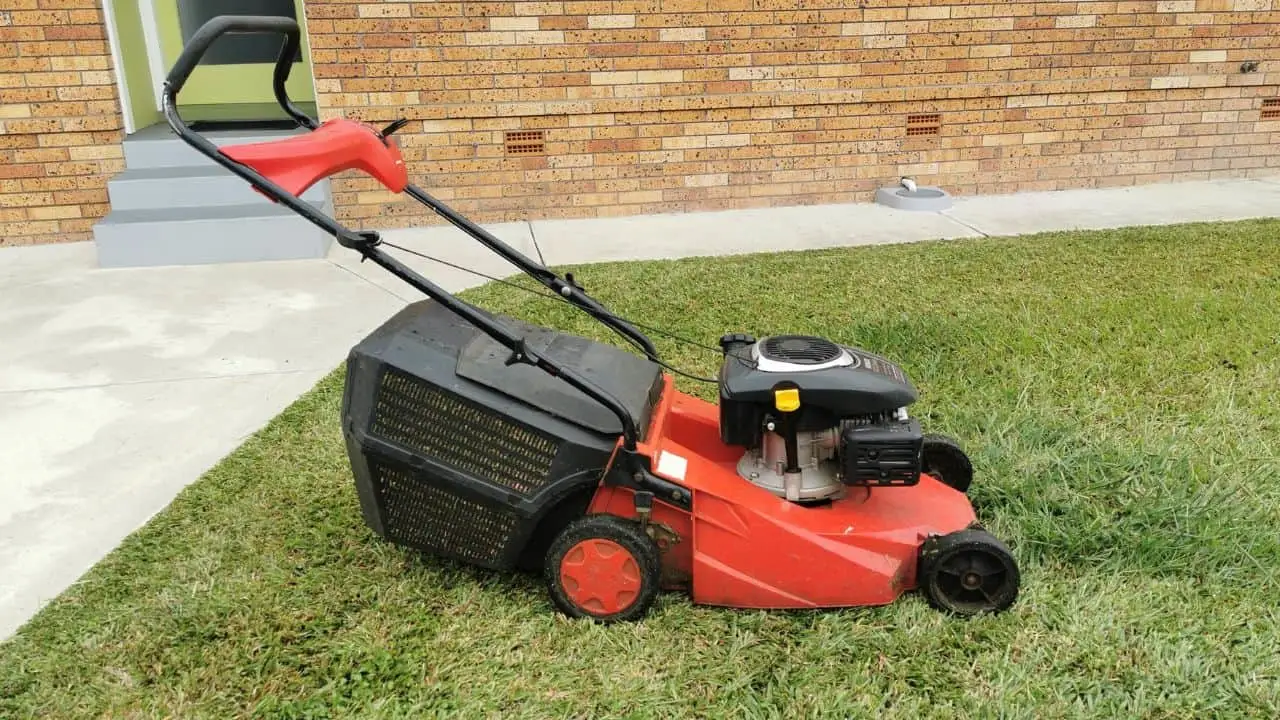

Cutting grass too short in September is like sending it into winter half-dressed. Taller grass shades out weeds, protects soil moisture, and gives roots the energy to stockpile reserves for colder months ahead. As nights cool, your lawn benefits from a little extra height to help keep the ground insulated and healthier overall.
The right mowing height also depends on your grass type. Cool-season grasses like fescue, rye, and bluegrass thrive when left taller in fall, while scalping them weakens the crown and leaves openings for weeds. By fine-tuning your mower deck now, you set your lawn up for better resilience all winter and a faster green-up in spring.
- Fescue: 3–3.5 inches
- Kentucky Bluegrass: 2.5–3 inches
- Perennial Ryegrass: 2.5–3 inches
- General Rule: Never cut off more than one-third of the blade at a time.
9. Rake and Remove Lawn Thatch


Thatch is that spongy brown layer of old stems, roots, and debris that builds up between the grass and the soil. A little bit is healthy, but once it gets thicker than half an inch, it blocks water, air, and nutrients from reaching the roots. By late summer, lawns that have been heavily watered or fertilized are especially prone to thatch buildup, which quietly chokes your lawn while you wonder why it still looks dull.
September is a prime time to deal with it. Raking or using a dethatching machine now gives your grass enough weeks to recover before frost arrives. If you skip this step, thatch insulates pests, holds onto fungal spores, and keeps water sitting at the surface instead of soaking deep where roots need it most.
- If the thatch layer is more than 0.5 inch thick, it is time.
- Lawns that feel springy underfoot usually have a problem.
- After dethatching, follow up with watering and a light fertilizer to help recovery.
10. Prep for Winter With a Final Feeding and Cleanup
September is your last big chance to set your lawn up for winter. A well-timed feeding now does not just green up the grass, it builds root reserves that will carry your lawn through the cold months and give it a jumpstart in spring. Use a fertilizer that is balanced but with a slightly higher potassium content, since potassium helps strengthen roots against stress and disease. Skip the heavy nitrogen at this point since you want strong roots, not tender blades that frost will scorch.
Equally important is cleanup. Fallen leaves, twigs, and leftover summer debris smother grass if left in place, trapping moisture that breeds fungi like snow mold. A clean lawn going into winter is a healthier lawn coming out in spring.
- Apply a fall fertilizer labeled for root growth, not blade growth.
- Rake leaves regularly so they do not mat and suffocate grass.
- Remove sticks, toys, and furniture to prevent dead patches.
- Give one final mow before frost, leaving grass about 2.5–3 inches tall.
Why September Lawn Care Decides Your Spring


September might feel like the season is winding down, but for your lawn it is the most important window of the year. The soil is still warm, nights are cooler, and roots are hungry for nutrients. What you do in these weeks decides whether you step into spring with a thick, healthy carpet of green or spend months fighting weeds and bare spots. Testing, feeding, aerating, and cleaning up now are not chores, they are investments that pay off when everyone else is just starting to scramble in April.
Treat your lawn like it matters this month and it will reward you long after the leaves have fallen. The difference between a patchy yard and the healthiest lawn on the block often comes down to what happens right now.
Frequently Asked Questions About September Lawn Care
1. Why is September such an important month for lawns?
Cooler nights and warm days create the perfect conditions for grass roots to grow strong. Lawns recover from summer stress fastest in September, which makes it the best time to feed, seed, and aerate.
2. Should I fertilize in September if I already fed in spring?
Yes. Fall fertilizer is actually more important than spring. In September, nutrients go into building root reserves for winter and next year’s growth, not just blade growth.
3. How often should I water my lawn in September?
Deeply about once or twice per week, depending on rainfall. Cooler nights mean lawns do not need the same frequency as in summer. The key is deep, thorough soakings rather than light daily sprinkles.
4. Do I really need to aerate my lawn?
If your soil is compacted or your lawn has heavy foot traffic, aeration is a game changer. It opens up channels for air, water, and nutrients to reach the roots. September is the ideal time.
5. Can I still overseed this late in the season?
Yes, in most cool-season regions. September is prime time to overseed bare patches. Grass seed germinates quickly in the mild weather, and young plants establish before frost sets in.
6. What mowing height should I aim for in September?
Keep cool-season grasses like fescue and bluegrass around 2.5–3.5 inches tall. Taller grass shades soil, discourages weeds, and protects roots as temperatures drop.
7. Do I need to rake leaves off my lawn right away?
Yes. Leaves left on grass block sunlight, trap moisture, and invite fungal problems. Regular raking or mulching leaves into fine bits helps keep the lawn healthy.


Daniel has been a plant enthusiast for over 20 years. He owns hundreds of houseplants and prepares for the chili growing seasons yearly with great anticipation. His favorite plants are plant species in the Araceae family, such as Monstera, Philodendron, and Anthurium. He also loves gardening and is growing hot peppers, tomatoes, and many more vegetables.