

Fall is the season that decides whether your garden coasts into winter strong or limps along exhausted. The cooler weather feels like a break, but behind the scenes your soil, plants, and future spring blooms are making critical transitions. This is where the right gear matters more than most people realize.
Plenty of gardeners reach for the same old tools and hope for the best, but that approach usually means wasted effort and weaker results next year. A handful of simple, often overlooked tools can flip the script. They make cleanup faster, protect your plants, and give your soil the boost it needs to wake up in spring ready to go.
These seven aren’t gimmicks. They are the fall tools that actually save you time, save your plants, and save your back. Let’s look at them one by one.
1. The Right Rake for Fall Cleanups

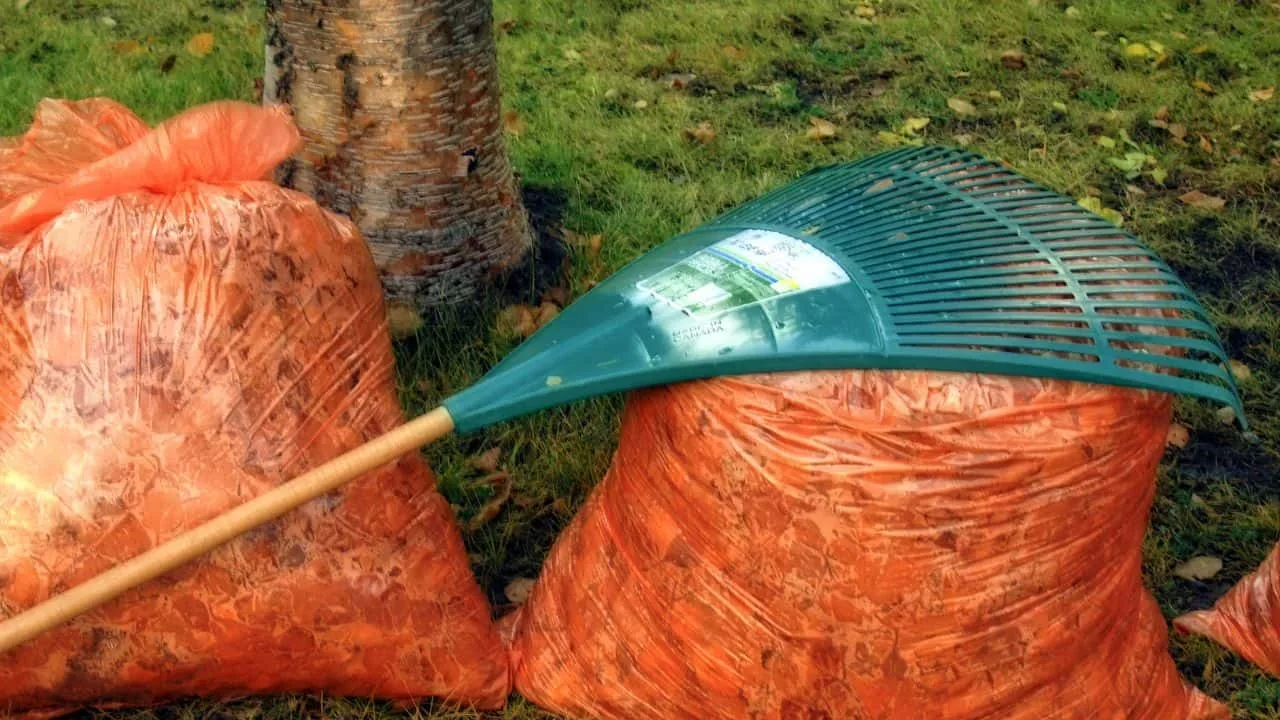
A rake might sound basic, but in fall it becomes one of the most powerful tools you own. Leaves left to pile up on the lawn create a damp mat that blocks sunlight, traps moisture, and becomes a playground for pests and fungal disease. Beds suffer too when soggy leaves smother perennials or provide cozy hideouts for slugs.
The trick is using the right rake for the job. Wide, flexible leaf rakes clear lawns quickly without ripping up the grass, while narrow shrub rakes slip neatly between plants in your beds without flattening them. Choosing the right size and style is less about comfort and more about making sure your cleanup is thorough — which means healthier grass and stronger perennials next spring.
- Broad leaf rake: Best for open lawn spaces — move fast without missing patches.
- Shrub rake: Narrow head fits between shrubs, perennials, and garden edges.
- Metal tines: Last longer and grab stubborn, wet leaves better than plastic ones.
- Pro move: Rake leaves onto a tarp and drag them — faster than bagging one pile at a time.
2. Garden Gloves That Actually Protect

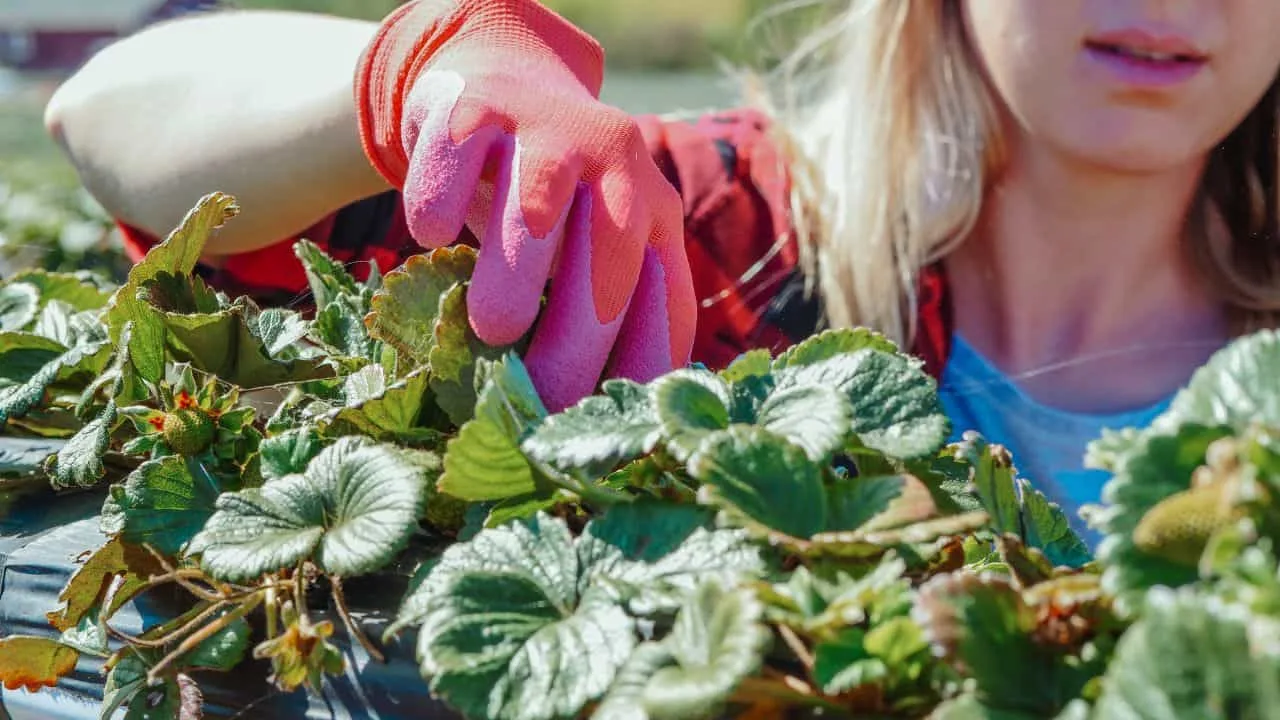
Fall cleanup is no time for flimsy gloves. Between thorny rose canes, rough branches, splinters, and cold, damp soil, your hands take the brunt of the work. A good pair of gloves doesn’t just save you from blisters — it makes every task faster and safer. You will prune longer, rake harder, and haul debris without stopping to shake out scratches or sticky sap.
The trick is matching the glove to the job. Thick leather or synthetic leather is perfect for pruning and hauling branches. Waterproof, insulated gloves keep your fingers warm and dry when dealing with soggy soil or compost. Lightweight nitrile-coated gloves shine when you need grip and dexterity, like handling bulbs or small tools. One size rarely fits all when it comes to fall garden work, so having at least two solid pairs is a game-changer.
- Leather gloves: Best for thorny shrubs, heavy pruning, and hauling brush.
- Waterproof gloves: Protect from cold, damp soil during mulching or compost turning.
- Nitrile-coated gloves: Lightweight, breathable, and perfect for bulb planting.
- Pro move: Keep a backup pair handy — wet gloves are worse than no gloves.
3. A Sharp Pair of Pruners

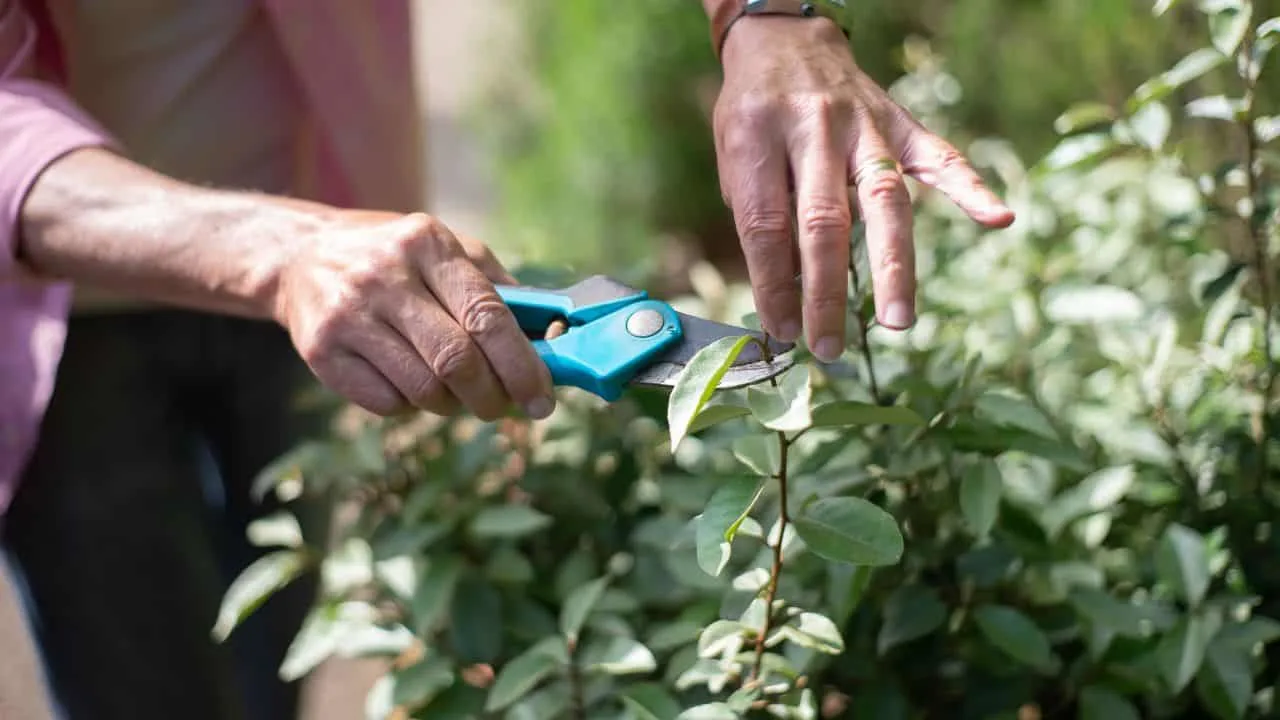
If there is one fall tool that separates casual cleanup from real garden care, it is a sharp pair of pruners. Dull blades crush stems and tear bark, which leaves plants open to disease right when they are preparing for winter. Sharp pruners, on the other hand, slice cleanly, allowing shrubs, perennials, and small trees to heal quickly and safely.
Fall is prime time for pruning out diseased branches, cutting back spent perennials, and tidying up roses or hydrangeas before frost sets in. Choosing the right type matters too. Bypass pruners are like scissors and give a clean cut on live wood, while anvil pruners crush through dead, woody stems with ease. Keeping both on hand makes fall cleanup much smoother.
- Sharpen often: A quick pass with a sharpening tool keeps cuts clean.
- Disinfect blades: Wipe with alcohol between plants to stop disease spread.
- Bypass vs. Anvil: Use bypass on live growth, anvil on dead stems.
- Comfort counts: Look for ergonomic handles if you do long pruning sessions.
4. A Mulching Mower or Shredder
Every fall brings the same mountain of leaves, and what you do with them can make or break your garden’s health. Bagging them is backbreaking and wasteful, while leaving them in piles suffocates grass and beds. A mulching mower or leaf shredder turns that endless mess into one of the best free resources you have — rich organic matter that insulates soil through winter and breaks down into nutrients by spring.
Shredded leaves spread lightly over beds act like a blanket, holding in moisture, keeping roots stable during freeze-thaw cycles, and slowly feeding the soil life that powers next year’s growth. On lawns, mulching mowers chop leaves finely enough that they disappear into the turf instead of smothering it. With one tool, you can save yourself hours of hauling bags and give your soil exactly what it needs.
- Shred leaves before they mat — damp whole leaves block air and water.
- Mix shredded leaves with grass clippings for a faster-decomposing mulch.
- Spread 2–3 inches over garden beds for winter protection.
- Run over lawn leaves weekly with a mulching mower until they vanish into the turf.
5. A Sturdy Wheelbarrow or Garden Cart

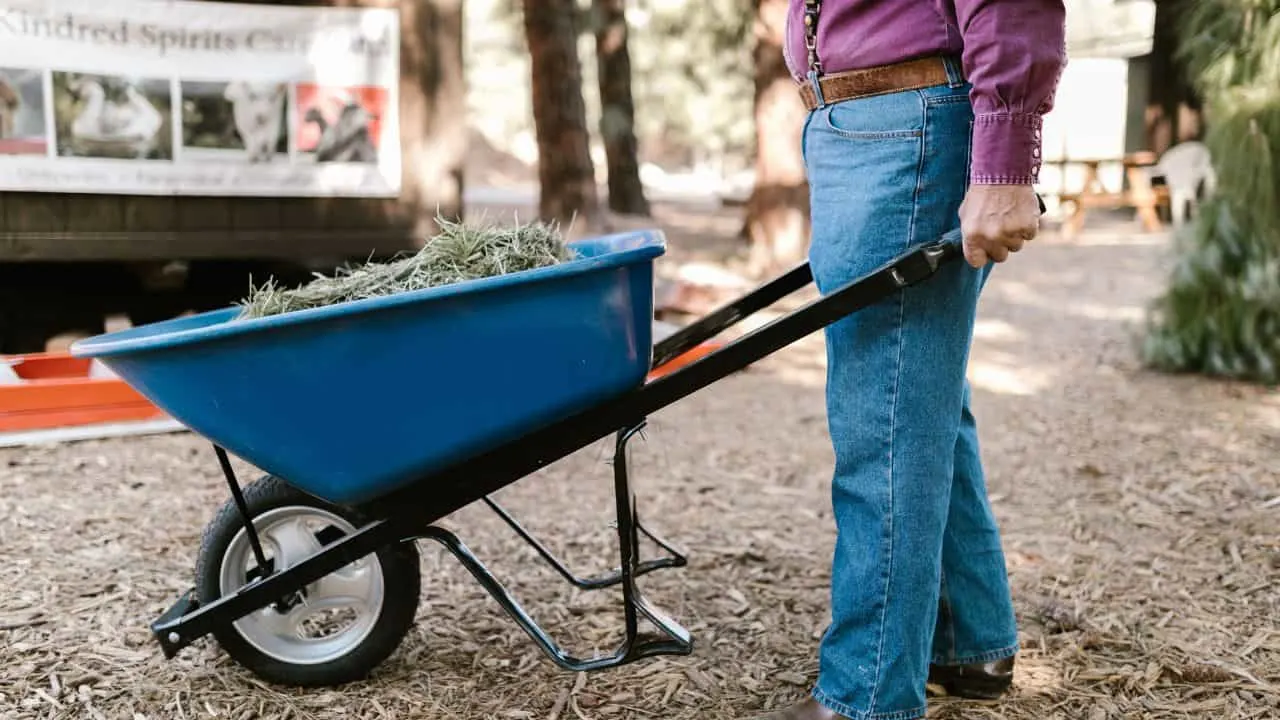
Fall cleanup is when you realize just how much hauling a garden requires. Leaves, compost, mulch, prunings, even heavy bags of soil — without a solid wheelbarrow or garden cart, it quickly becomes a chore that wears you down. A good hauler doesn’t just move stuff, it saves your back and makes every fall project faster and smoother.
One wheelbarrow trip can replace a dozen armloads, and with balanced handles or a cart on four wheels, you can steer through uneven ground without tipping. When it comes to fall gardening, that efficiency is gold. Whether you are spreading shredded leaves, hauling compost to beds, or just getting debris out of the yard, this is the tool that takes the strain instead of your body.
- Single-wheel barrow: nimble for tight spaces, trickier on uneven ground.
- Two-wheel model: more stable, less tipping, easier for heavy loads.
- Garden cart: flat and balanced, great for large, bulky materials like leaves or straw.
- Look for steel trays for durability or heavy-duty plastic for lighter weight.
6. A Soil Knife or Hori-Hori

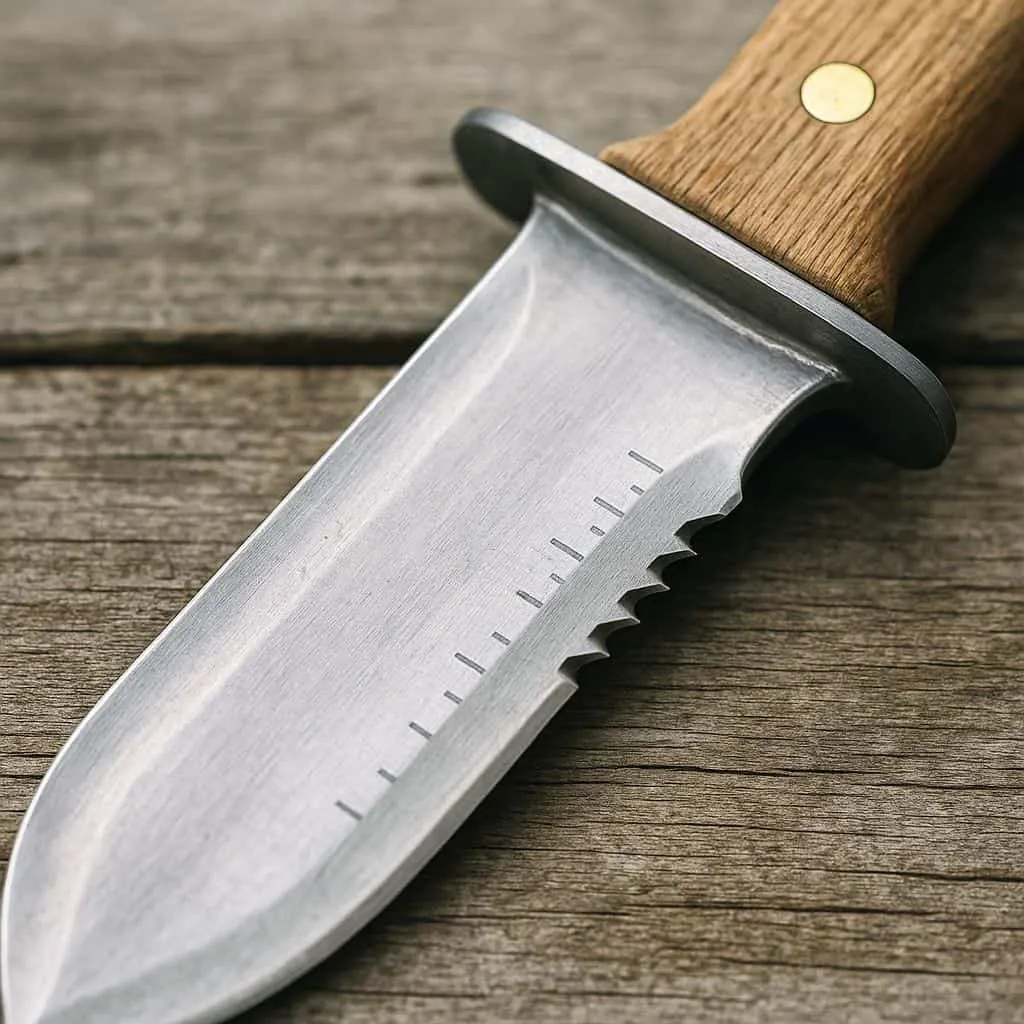
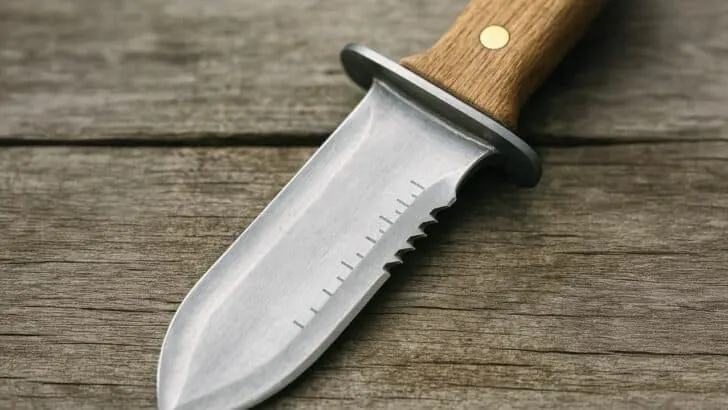
Fall is when gardeners dig, divide, and plant like there is no tomorrow. Instead of juggling a trowel, pruners, and a weeder, one simple tool can do it all — the soil knife, often called a hori-hori. With its sharp edge, serrated side, and sturdy blade, this Japanese classic has become the secret weapon of fall gardeners who want fewer tools and more efficiency.
Planting bulbs, slicing through roots, dividing perennials, cutting twine, even scraping weeds — the soil knife handles it. In fall, when time is short and tasks pile up, having a multi-purpose tool that slips easily into your belt or pocket means you are always ready for the next job without walking back to the shed.
- Bulb planting: Cuts into compacted soil and makes perfect holes in seconds.
- Dividing perennials: Sharp blade slices through tough roots cleanly.
- Weed removal: Pry up deep taproots without breaking them.
- Durability: One tool that replaces three, built to last for years.
7. A Compost Bin or Tumbler

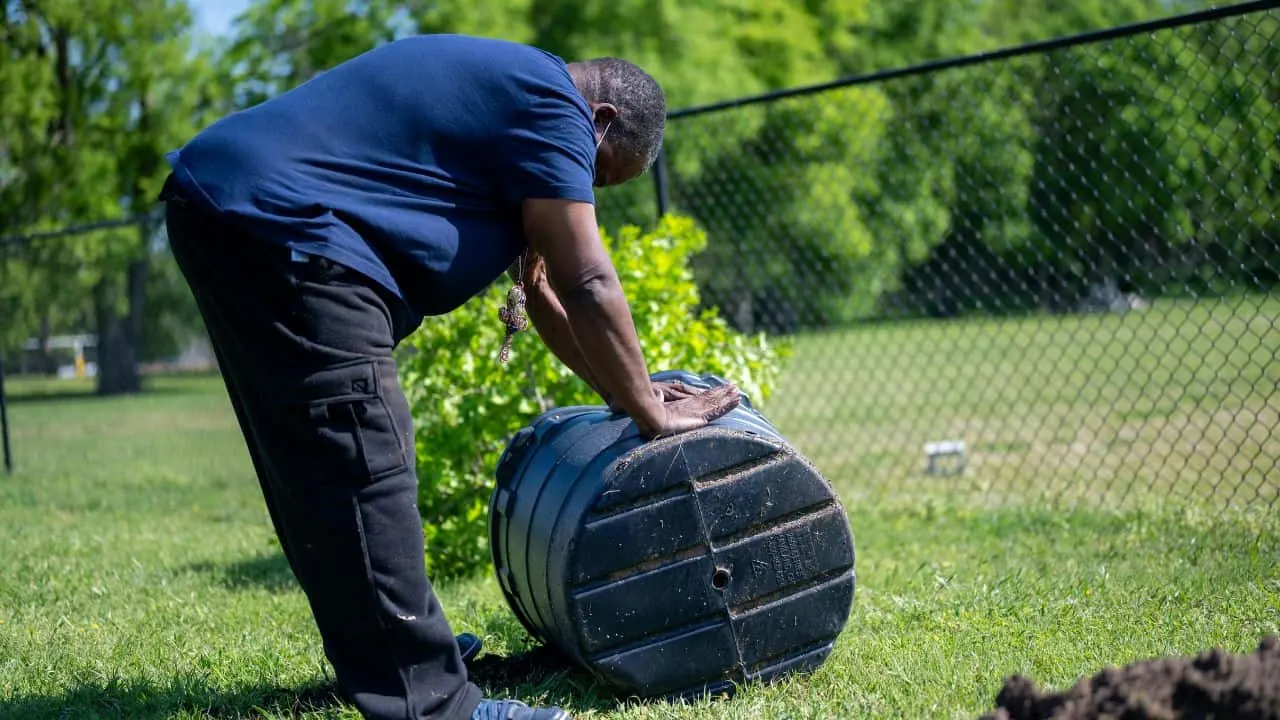
Fall is when gardens produce mountains of leaves, stalks, and clippings. Instead of stuffing them in bags for the curb, turn them into black gold with a compost bin or tumbler. This tool does more than just recycle — it transforms waste into a steady supply of rich organic matter your soil will crave come spring.
The secret is starting in fall while material is abundant. Pile in shredded leaves, spent annuals, and kitchen scraps, and the breakdown process will be well underway by the time planting season arrives. A tumbler speeds things up by keeping everything mixed and aerated, while a classic bin holds larger volumes with less effort. Either way, your garden gets a nutrient boost without buying another bag of fertilizer.
- Balance greens and browns: Mix kitchen scraps (greens) with shredded leaves (browns) for faster breakdown.
- Chop and shred: Smaller pieces decompose more quickly.
- Keep it moist: Like a wrung-out sponge, not soggy.
- Tumbler advantage: Easy turning means faster compost in as little as 2–3 months.
The Fall Toolkit That Pays Off
Fall isn’t the finish line, it is the reset. With the right tools, you can clear clutter, protect soil, and set the stage for your best spring yet. A rake, pruners, a shredder, even a simple compost bin — these aren’t just extras, they are the essentials that turn exhausting fall chores into efficient steps toward a healthier garden. Every hour you put in now will count double when your lawn greens up and your beds burst with life next spring.
Pick one or two upgrades today, and you will thank yourself when the season rolls around again.
🌿 Key Takeaways
- 🍁 Fall is a reset season, not a shutdown.
- 🛠️ A few smart tools make cleanup, mulching, and composting effortless.
- 🌱 Investing now saves energy and gives your garden a head start for spring.
- 💪 Stronger soil, cleaner beds, and healthier plants all begin with fall prep.
Frequently Asked Questions
1. Do I really need separate rakes for lawns and beds?
Yes. A broad fan rake covers large areas quickly on lawns, while a narrow shrub rake fits into tight spaces around perennials without damaging plants.
2. Can I sharpen pruners myself or should I buy new ones?
Most pruners can be sharpened at home with a small sharpening stone or file. As long as the blades are not bent or broken, sharpening is cheaper than replacing.
3. Is a mulching mower worth the investment?
If you have trees that drop a lot of leaves, absolutely. Shredded leaves double as free mulch, enrich your soil, and save countless hours of bagging and hauling.
4. Do I need a wheelbarrow if I already have buckets?
Buckets are fine for light loads, but a wheelbarrow or garden cart saves your back when moving heavy compost, mulch, or piles of debris across the yard.
5. What makes a soil knife so versatile?
A soil knife, often called a hori-hori, can dig, cut, divide roots, and even plant bulbs. It replaces multiple tools and is especially handy for fall tasks when time is short.
6. Can I start compost in fall, or should I wait until spring?
Fall is actually the best time. Leaves, grass clippings, and garden debris provide the perfect mix of browns and greens. By spring, you’ll have nutrient-rich compost ready.
7. Are gloves really that important if I already own basic ones?
Fall tasks involve thorny stems, damp soil, and heavy hauling. Good gloves with grip and water resistance prevent blisters and keep your hands warm and dry.


Daniel has been a plant enthusiast for over 20 years. He owns hundreds of houseplants and prepares for the chili growing seasons yearly with great anticipation. His favorite plants are plant species in the Araceae family, such as Monstera, Philodendron, and Anthurium. He also loves gardening and is growing hot peppers, tomatoes, and many more vegetables.