

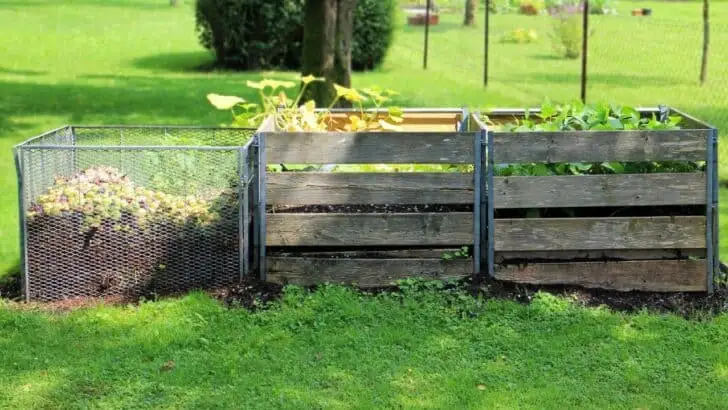
September is one of those months gardeners underestimate. The flowers are fading, harvest baskets are filling, and the air feels like the season is slowing down. But in the compost pile, September is the opposite of quiet. It is the moment when garden waste and fallen leaves arrive together in perfect balance. The weather cooperates, the microbes thrive, and what looks like end-of-season mess turns into the richest soil builder of the year.
If you have ever struggled with smelly summer compost or a frozen block in winter, this is your window. September composting works smoother, smells cleaner, and pays off faster. Here is why it is the best month to start a pile and how to make the most of it.
1. September Produces the Perfect Balance of Greens and Browns
Compost lives or dies by balance. Too many greens make it slimy, too many browns leave it cold. September delivers both at once. Garden vines and stalks supply nitrogen, while fresh fallen leaves add carbon. Stack them in layers and the pile heats quickly.
- Ratio that works: 2 parts shredded leaves to 1 part garden waste.
- Mix as you go: Alternate layers for airflow.
- Add structure: Corn stalks and twigs keep the pile fluffy.
- Skip diseased plants: Most piles do not stay hot enough to kill pathogens.
2. Cooler Nights Mean Less Smell and Faster Breakdown
Summer piles often stink. September nights cool things down, taming odors while daytime warmth keeps microbes busy. The result is steady composting that is easier to manage in small yards.
- Cooler zones: Cover piles at night to trap warmth.
- Warmer zones: Leave piles open to vent odor and heat.
- All zones: Bury food scraps inside to keep pests out.
3. You Can Use It All Winter
A September pile gets a head start before frost. By spring, it is dark, crumbly compost ready to spread. Wait until November, and you will be stuck with a frozen block until April.
- Insulate: Surround with straw, leaves, or snow.
- Feed small doses: Bury kitchen scraps through fall.
- Trap moisture: Use a tarp to stop soggy or frozen piles.
- Spring edge: September piles are pre-digested and ready early.

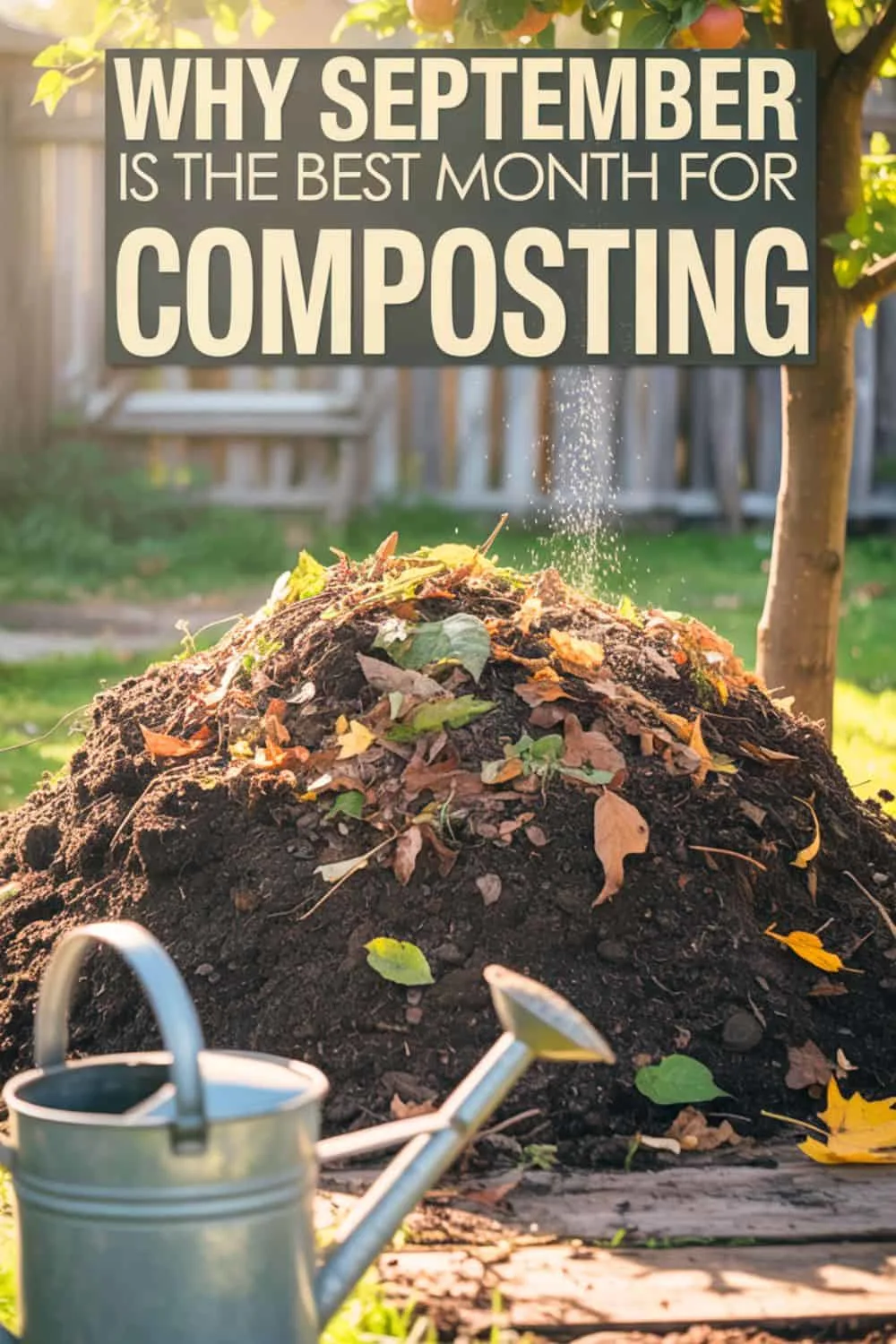
4. Harvest Waste Becomes Compost Instead of Garbage
September cleanouts create mountains of stalks and vines. Instead of bagging them for pickup, feed them to the pile. Thick stalks provide structure, while softer plants fuel the heat cycle.
- Chop before adding: Cut stalks and vines smaller for faster breakdown.
- Layer with leaves: Prevents dense mats that block airflow.
- Avoid woody stems: They decompose too slowly.
- Skip diseased material: Do not risk spreading problems to next year’s soil.
5. Leaves Alone Aren’t Enough
A pile of leaves is mostly carbon and breaks down painfully slow. September fixes this by pairing leaves with fresh greens. That balance stops matting and creates real heat.
- Shred before use: Speeds decomposition dramatically.
- Layer smart: Alternate leaves and greens at a 2-to-1 ratio.
- Store extras: Bag shredded leaves for use year-round.
- Avoid big piles: Whole leaves mat, mold, and stall decomposition.
6. Pile Maintenance Is Easier
Summer piles dry out fast, winter piles freeze solid. September hits the sweet spot. Moisture stays balanced, microbes stay active, and turning the heap feels manageable.
- Use the right tool: A compost fork or broadfork works best.
- Check moisture: It should feel like a wrung-out sponge.
- Turn in layers: Pull outside material into the hot center.
- Set a rhythm: Turn every 10–14 days for steady progress.
7. Your Soil Will Thank You Next Spring
Starting now means finished compost by spring. Spread it early to enrich beds, improve soil texture, and cut back on fertilizer. A September pile gives your plants a real head start.
- Healthier beds: Compost feeds soil life and boosts nutrients.
- Less fertilizer needed: Cuts store-bought costs in spring.
- Better moisture control: Soil holds water more evenly.
- Earlier planting: Beds are ready weeks sooner.
Why September Composting Sets You Ahead
Composting works all year, but September stacks the odds in your favor. The balance of greens and browns arrives naturally, the cooler nights make the process cleaner, and the timing gives microbes the runway they need to finish before spring. Instead of hauling waste to the curb or watching a cold pile sit all winter, you build soil wealth that pays dividends the moment planting season begins.
Think of it as a gift from this in-between month. September asks for almost nothing and gives back more than any other time of year. Start your pile now and your garden will thank you when it wakes up hungry in spring.
🌿 Key Takeaways
- 🍂 September balances greens and browns better than any other month.
- 🌙 Cooler nights cut down odors while keeping microbes active.
- 🪱 A September pile stays alive through winter and is ready by spring.
- 🌽 Harvest waste is fuel, not garbage — use it to feed your soil.
- 🍁 Leaves need greens to break down fast and avoid matting.
- 🔄 Maintenance is easier thanks to steady moisture and mild temps.
- 🌱 Spring soil thrives when you start composting now, not later.
Frequently Asked Questions About September Composting
1. Can I compost diseased plants in September?
It is best to avoid it. While hot compost piles can kill many pathogens, backyard piles rarely stay hot enough for long enough. Toss blighted tomato plants, powdery mildew leaves, or pest-infested crops in the trash instead of the compost.
2. Do I need to shred leaves before composting?
You do not have to, but it makes a big difference. Whole leaves tend to mat and break down slowly. Shredded leaves decompose in months instead of years and keep the pile aerated. A lawn mower or leaf shredder does the job quickly.
3. Should I add kitchen scraps in September, too?
Yes. Food scraps are valuable greens that balance out the browns. Just bury them inside the pile instead of leaving them on top. This keeps pests away and helps the scraps decompose faster in the heat of the pile.
4. How often should I turn a compost pile in September?
Every 10 to 14 days is ideal. That is frequent enough to add oxygen and redistribute fresh material to the center, but not so often that you dry it out or cool it down too much. If the pile is shrinking steadily, your rhythm is right.
5. What if my pile dries out in September?
Squeeze a handful of compost. If it feels drier than a wrung-out sponge, add water. The changing weather can make piles lose moisture unevenly, so check each week and sprinkle as needed. Covering with a tarp also helps keep moisture steady.


Daniel has been a plant enthusiast for over 20 years. He owns hundreds of houseplants and prepares for the chili growing seasons yearly with great anticipation. His favorite plants are plant species in the Araceae family, such as Monstera, Philodendron, and Anthurium. He also loves gardening and is growing hot peppers, tomatoes, and many more vegetables.